
Did you know silver is used in over half of all global industrial applications? Yet, its price often falls behind other commodities. This big gap between demand and market value might show a hidden opportunity in today’s economy. Smart people are now focusing on silver as a key part of their financial plans. It’s important to understand these market trends to protect your wealth during tough times.
In this beginner’s guide to precious metals investments, we explain why silver is a good choice for your portfolio. We’ll look at how these assets play a special role in the market. This will help you make smart choices about your precious metals investments, whether you’re new or looking to add to your collection.
The Case for Silver as a Historically Undervalued Asset
Silver is special in the financial world. It’s a store of value and key for industries. Unlike other assets, silver connects old wealth and new tech. We believe it’s great for diversifying your investments.
Analyzing the Gold-to-Silver Ratio
The gold-to-silver ratio is key for investors. It shows how many silver ounces it takes to buy one gold ounce. This ratio changes a lot, showing when silver is a better deal than gold.
When the ratio is very high, silver is significantly undervalued compared to gold. Investors watch for these changes to find good times to buy. Looking at these trends helps us see how prices change over time.
Industrial Demand Versus Monetary Value
Silver is more than just money. It’s crucial for the global economy. About 60% of silver use is in things like electronics and solar panels. This robust industrial demand keeps silver’s price stable, even when investors are unsure.
Recent price jumps show the balance between supply and demand in green energy. As demand grows, silver’s availability tightens. This makes silver a dynamic asset that responds to economic and tech changes.
| Feature | Monetary Role | Industrial Role |
|---|---|---|
| Primary Driver | Inflation Hedge | Technological Growth |
| Market Sensitivity | High (Interest Rates) | High (Manufacturing) |
| Supply Dynamics | Stable Reserves | Consumption-Based |
| Investor Focus | Long-term Wealth | Supply Chain Trends |
Understanding the Role of Precious Metals Investments in Your Portfolio
Creating a strong financial future needs more than just stocks and bonds. Relying only on these can leave your money at risk during market changes. Adding precious metals investments to your mix can help keep your wealth stable when times get tough.
Why Diversification Matters for Long-Term Wealth
Keeping wealth safe means avoiding risks that go together. When stocks drop, gold and silver can stay strong, protecting your money. Diversifying portfolio with precious metals is key to keeping your money’s value over time.
The benefits of investing in precious metals go beyond just making money. These assets have kept their value for centuries, unlike currencies. By mixing different types of investments, you shield your money from market ups and downs.
Balancing Risk and Reward with Physical Assets
It’s important to mix physical assets with paper investments for a solid financial plan. Stocks can offer big gains but come with big risks. Physical bullion, on the other hand, is a solid base that can’t be lost to digital errors or company failures.
Think of your physical assets as a strategic ballast in your investment strategy. This way, you can enjoy market gains while keeping some of your wealth safe in assets you directly control. Below is a table showing how different assets can balance a portfolio.
| Asset Class | Primary Role | Risk Level | Liquidity |
|---|---|---|---|
| Equities | Capital Growth | High | High |
| Bonds | Income Generation | Moderate | High |
| Precious Metals | Wealth Preservation | Low to Moderate | Moderate |
| Cash/Savings | Immediate Access | Very Low | Very High |
Evaluating the Best Precious Metals to Invest In
When we look at the best precious metals to invest in, we must consider how each asset behaves in different market conditions. Gold often acts as a defensive hedge. Silver and platinum offer distinct growth potential driven by industrial demand. Understanding these differences is essential for any beginner’s guide to precious metals investments.
Comparing Silver Against Gold and Platinum
Gold remains the gold standard for wealth preservation, prized for its historical stability during economic downturns. Platinum is a rarer industrial metal, often tied closely to the automotive and technology sectors. Silver occupies a unique middle ground, functioning as both a monetary asset and a critical component in green energy and electronics.
Silver exhibits higher volatility than gold, which can lead to significant gains during market expansions. While gold provides a safety net, silver acts as a cyclical growth engine for your portfolio. The following table highlights the key differences between these top precious metals investment options:
| Metal | Primary Use | Market Role |
|---|---|---|
| Gold | Store of Value | Defensive Hedge |
| Silver | Industrial & Monetary | Growth & Utility |
| Platinum | Industrial | Niche Speculation |
Why Silver Offers Unique Entry Points for Beginners
For those just starting, silver is often the most accessible choice. Its price per ounce is significantly lower than gold or platinum. This means you can start with smaller capital allocations and build a collection over time.
Silver provides a practical way to learn about market fluctuations and storage logistics. By starting with smaller, manageable purchases, you gain valuable experience in the precious metals market. This approach helps you build confidence before expanding into more expensive assets like gold bars or platinum coins.
Step One: Assessing Your Financial Goals and Risk Tolerance
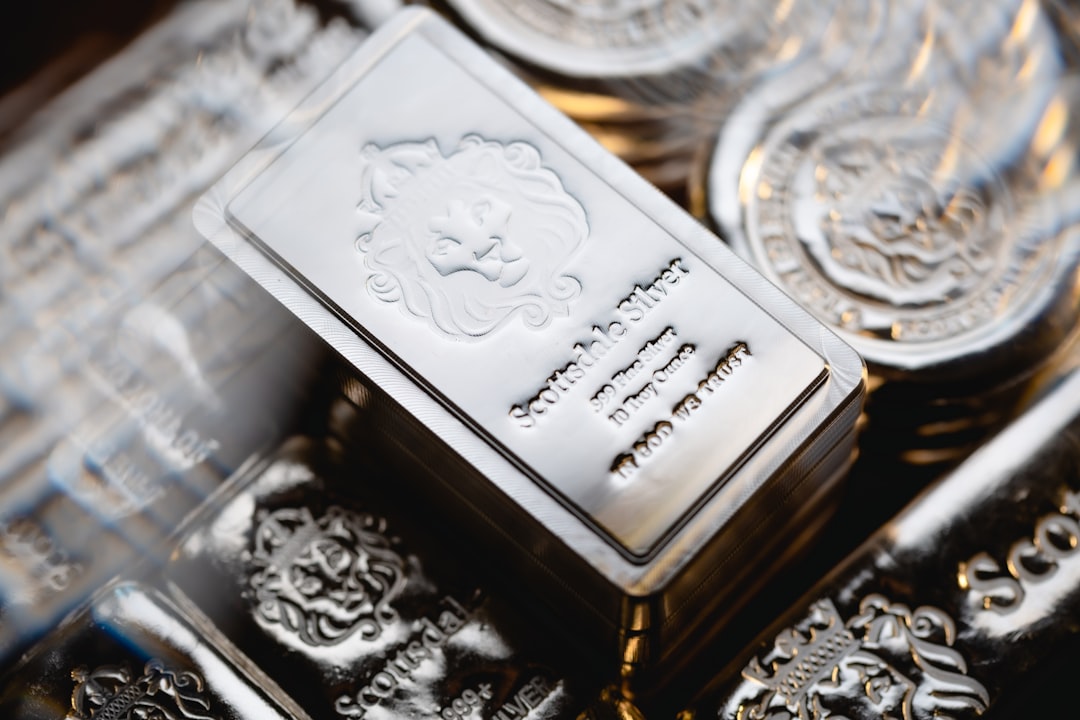
Learning how to invest in precious metals is more than just buying coins. It needs a strategic mindset. Before investing, take time to review your financial situation. A clear plan is your guide in the world of commodities.
Defining Your Investment Horizon
Your investment horizon is how long you plan to hold an asset. Are you aiming for short-term gains or long-term wealth protection? Knowing this is key to investing in precious metals wisely.
- Short-term goals: Often involve liquid assets for quick sale if needed.
- Long-term goals: Focus on protecting wealth against inflation over time.
- Retirement planning: Needs a steady, disciplined approach to keep your nest egg safe.
Determining How Much Capital to Allocate
Deciding how much of your net worth to invest in physical assets is personal. View precious metals as a stabilizing force, not a quick way to wealth. Experts usually suggest a balanced approach for a resilient portfolio.
When figuring out your allocation, consider these key points:
- Your current liquidity needs and emergency fund status.
- The overall volatility of your existing stock and bond holdings.
- Your comfort level with market fluctuations and physical storage needs.
By setting these parameters early, you build confidence in the market. Remember, learning how to invest in precious metals is a journey. Starting with a solid foundation is the best way to safeguard your financial future.
Step Two: Choosing Between Physical Silver and Paper Assets
Starting with physical bullion or paper assets is a common first step. When learning how to invest in precious metals, you must choose between direct control and market liquidity. Each option has benefits that fit different financial goals.
Pros and Cons of Bullion Coins and Bars
Physical silver offers a sense of security that digital assets can’t match. You own the metal outright, avoiding counterparty risk. But, you must consider storage, insurance, and premiums over the spot price.
Coins and bars are great for long-term wealth. They let you hold a tangible asset, which many find satisfying. However, physical silver needs careful planning for safe storage and transport.
Exploring ETFs and Mining Stocks as Alternatives
Paper assets offer a hands-off way to invest. ETFs and mining stocks are top precious metals investment options for those who value ease. These products let you trade shares instantly through your brokerage account.
These alternatives provide high liquidity, allowing quick exits during market changes. While you miss the benefit of physical possession, you gain flexibility and avoid storage burdens. Knowing these differences is key to effective how to invest in precious metals.
| Feature | Physical Bullion | Paper Assets |
|---|---|---|
| Control | Direct Ownership | Brokerage Managed |
| Liquidity | Moderate | High |
| Storage | Required | None |
Your choice depends on your comfort and investment strategy. Many balance their portfolios with physical and paper assets. This mix offers stability and agility, diversifying your holdings.
Step Three: Selecting Reputable Precious Metals Investment Companies
When you invest in precious metals, the company you pick is like a guardian of your wealth. It’s crucial to choose the right partner to protect your precious metals investments. This ensures your purchases are genuine and your assets are cared for professionally.
How to Vet Dealers and Custodians
Begin by researching the reputation of potential firms. Look for companies with a long history and high ratings from the Better Business Bureau. Transparency is key, so choose dealers who clearly state their fees and prices.
Also, check their shipping methods. A reputable firm will use fully insured, discreet shipping to ensure your items arrive safely. Ask about their storage partnerships and how they verify the purity of the bullion they sell.
Avoiding Common Pitfalls in the Marketplace
The market can be complex, and scams are common if you’re not careful. One mistake is paying excessive premiums for coins with little numismatic value. Always compare prices to get a fair deal for your precious metals investments.
Watch out for companies that rush you or promise unrealistic gains. Legitimate precious metals investment companies give you time and information to make a smart choice. By doing your homework, you can avoid scams and build a lasting portfolio.
Step Four: Setting Up a Precious Metals IRA
Global central banks are boosting their gold reserves at a record rate. This shows a growing trust in physical assets. By opening a precious metals IRA, you match your retirement plan with these trends. It adds a real security layer that paper assets can’t offer.
Understanding Tax Advantages and IRS Regulations
A self-directed retirement account lets you hold physical bullion like gold and silver. It keeps the same tax benefits as a traditional account. But, the IRS has strict rules on the metals’ purity and storage.
You can’t keep your bullion at home. It must be stored in an IRS-approved depository. This ensures your investment is safe and meets IRS standards. Always check with a tax expert to make sure your holdings comply with federal rules.
Navigating the Process of Rolling Over Retirement Funds
Transferring your 401(k) or traditional IRA to a new account is easy with the right custodian. First, open a self-directed account for these assets. Then, start a direct rollover to move your funds without taxes.
This move helps diversify your investments. Many see a precious metals IRA as a strong defense against market ups and downs. Below is a table showing the main differences between standard IRAs and those focused on physical assets.
| Feature | Standard IRA | Precious Metals IRA |
|---|---|---|
| Asset Types | Stocks, Bonds, ETFs | Physical Gold, Silver, Platinum |
| Control | Broker-Managed | Self-Directed |
| Storage | Digital/Electronic | IRS-Approved Vaults |
| Primary Goal | Market Growth | Wealth Preservation |
Step Five: Implementing Effective Precious Metals Investment Strategies

Building long-term wealth is more than just buying. It needs a clear, repeatable strategy. By focusing on precious metals investment strategies, we can handle the ups and downs of the market. Knowing the benefits of investing in precious metals helps us stay disciplined and take advantage of growth trends.
The Benefits of Dollar-Cost Averaging
Dollar-cost averaging is a great way to build a position. It means investing a fixed amount regularly, no matter the price. This way, we spread out our costs over time.
This strategy has many benefits for investors:
- Reduces emotional stress by avoiding the need to guess market highs or lows.
- Lowers the average cost per ounce when the market goes down.
- Promotes consistency, which is crucial for long-term financial health.
Timing Your Purchases During Market Volatility
While consistency is important, we can also look for chances to improve our results. By diversifying portfolio with precious metals during market stress, we can stabilize our investments. We can buy more when prices are low.
Remember, perfect timing is hard. Instead, we look at cyclical trends and use dips to strengthen our position. By staying disciplined and avoiding panic, we keep our portfolio strong against economic uncertainty.
Essential Tips for Secure Storage and Insurance
Investing in precious metals means protecting your wealth. After getting your assets, you must choose a safe place to store them. This step is key to keeping your financial goals safe from unexpected problems.
Home Storage Solutions Versus Professional Vaulting
Many like to keep their bullion at home. If you do, get a high-quality, fireproof safe. Make sure it’s bolted to the floor or wall to stop thieves.
On the other hand, professional vaults offer better security. They have special environments and surveillance that’s hard to match at home. For those with a lot of bullion, using a vault is a smart move.
Protecting Your Assets Against Theft and Loss
Good insurance is key to protect against theft or damage. Check if your homeowner’s policy covers bullion. Many plans have low limits for precious metals. You might need a special rider or policy for full coverage.
The value of these metals is growing as the world builds more. For example, the need for data centers and AI is huge. This means a lot of demand for metals like silver. So, insuring your assets well is crucial for any precious metals investment strategies.
| Storage Method | Security Level | Accessibility |
|---|---|---|
| Home Safe | Moderate | Immediate |
| Bank Deposit Box | High | Limited |
| Professional Vault | Maximum | Scheduled |
Our Conclusion
Building a strong portfolio means knowing how assets do in economic changes. We think picking the best precious metals is key for keeping wealth safe over time.
Silver and gold protect against money losing value. They are real hedges that keep your buying power steady when markets get shaky. We urge you to see these metals as vital parts of your financial plan.
Choosing the right precious metals takes research and a focus on your goals. You now know how to look at market trends and pick what’s best for you. Keep learning to stay ready for new global changes.
Your path to financial security begins with making informed choices. We encourage you to watch your investments and tweak your plan as your wealth grows. Taking charge of your assets now builds a solid base for your future.
Our FAQs
Why is the gold-to-silver ratio so important for our precious metals investments?
The gold-to-silver ratio helps us see which metal is cheaper. When the ratio is high, silver looks like a good deal compared to gold. Silver is valuable for money and for making things like solar panels and AI systems. This ratio helps us find the best time to invest in silver for growth.
What are the primary benefits of investing in precious metals for a standard portfolio?
Investing in precious metals helps manage risk. They add a layer of protection that doesn’t follow the stock market. Gold and silver can keep our wealth safe during tough times, like inflation.
How should a newcomer use a beginner’s guide to precious metals investments to get started?
Start by figuring out how much you can spend and what you want to achieve. Silver is often easier to start with because it’s cheaper than gold. It’s important to understand the differences between gold’s stability and silver’s potential for growth before investing.
When we look at how to invest in precious metals, should we choose physical bars or ETFs?
It depends on what you value more: control or ease of trading. Physical bars give you a real asset with no risk. ETFs, like the iShares Silver Trust (SLV), are easy to trade but involve more risk. A good strategy might include both.
Can we include physical gold and silver in a retirement account?
Yes, you can have a precious metals IRA. It lets you hold real bullion. You need to follow IRS rules and use a trusted custodian and storage like the Delaware Depository.
What should we look for when evaluating precious metals investment companies?
Look for companies that are open, respected, and secure. Check their reputation and make sure they have clear policies. Good companies offer education and safe ways to store your investments.
Why is industrial demand such a large factor in modern precious metals investment strategies?
Industrial use, especially for silver, drives its value. Silver is key for tech and green energy. As we build more data centers, the demand for these metals increases, making them attractive investments.
How do we protect our physical assets after making a purchase?
Keeping your assets safe is crucial. Some use home safes, but professional vaults like Brink’s or Loomis are often better. They offer top security and insurance, giving you peace of mind as your investments grow.
Explore Our Exciting Related Products and Services