
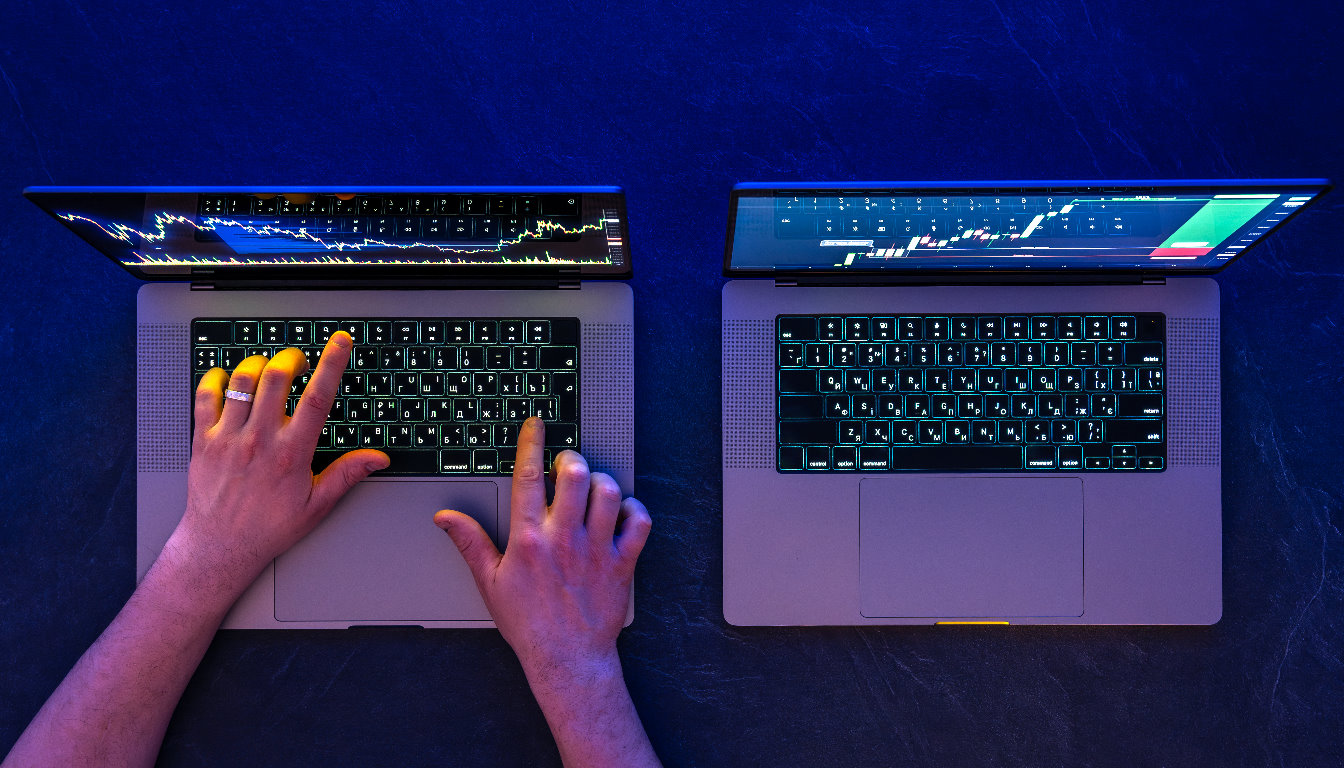
Did you know over 90% of retail traders fail to make money in the long run? This fact shows how important it is to have a good plan before you start. The world of finance can be tough for both newbies and seasoned traders. In this guide, we dive into the key differences between binary options vs forex trading. Our aim is to help you make smart choices. We want to give you the clarity to pick a path that matches your financial goals and how much risk you’re willing to take.
We’ll look at the special challenges and what you need to invest in each area. By looking at both sides, we help you see the market clearly. Whether you want quick wins or steady growth, knowing these basics is key to financial success. Let’s figure out which way is best for you and your risk level.
Understanding the Core Differences Between Binary Options and Forex Trading
Many new traders find it hard to tell the difference between binary options and forex trading at first. Both let you guess market movements, but they work in different ways. Knowing how they work is key to picking the right market for you.
Defining the Binary Options Mechanism
Binary options use a simple, fixed model. You guess if an asset’s price will be above or below a certain price at a set time. If you’re right, you get a fixed payout; if wrong, you lose your bet.
This makes it easy to understand, as you only have two choices. The risk is limited to what you bet, making it appealing to beginners.
Defining the Forex Market Structure
The Forex market is a huge, global exchange for currency pairs. It’s different from binary options because you’re guessing on the change in exchange rates, like between the Euro and US Dollar.
Forex trading can last from seconds to months. Your profit or loss depends on how much the price changes. It needs a good grasp of market trends and economic factors.
Key Distinctions in Payouts and Market Access
The biggest difference is in payouts. Binary options have a fixed return, while Forex returns vary with price movement.
| Feature | Binary Options | Forex Trading |
|---|---|---|
| Outcome | Fixed Payout | Variable Profit/Loss |
| Risk | Limited to Stake | Managed via Stop-Loss |
| Complexity | Low | High |
Getting into these markets is also different. Binary options use special platforms for easy trading. Forex, on the other hand, offers access through many brokers with advanced tools and global connections.
How Binary Options Work: A Step-by-Step Guide
Understanding binary options is easier when you break it down into three simple steps. Many traders like this market because it’s simpler than traditional financial tools. By following a clear path, you can focus on your strategy without getting lost in technical jargon.
Selecting an Underlying Asset
The first step is to choose the asset you want to trade. You can pick from major currency pairs, popular stocks, indices, or commodities like gold and oil. It’s important to choose an asset you’ve researched or feel comfortable watching all day.
Market familiarity is key to success. Knowing your asset well helps you predict how it might react to news or economic changes. Always check the current price trends before making your final choice.
Determining the Expiration Time
After picking your asset, decide on the expiration time for your contract. This is when your trade will close automatically. Expiration times can be as short as sixty seconds or as long as several hours or days.
Choosing the right timeframe is crucial. A short-term trade might catch quick market movements, while a longer one allows for bigger trends. Your choice should match your risk tolerance and outlook for the asset.
Executing the Call or Put Trade
The last step is to decide if the price will go up or down. If you think the price will rise, you place a Call trade. If you think it will fall, you place a Put trade.
This binary nature makes the process straightforward for retail traders. You’re essentially predicting the market’s direction within a fixed window. Once you confirm your trade, you know exactly what you could gain or lose before it expires.
How Forex Trading Works: Navigating the Currency Markets
Forex is a 24-hour market that never stops moving. It’s global, so we can trade from almost anywhere, anytime. Success here comes from knowing how prices change.
Understanding Currency Pairs and Pip Values
In Forex, we trade currency pairs. We buy one currency and sell another. For example, EUR/USD shows how many US dollars buy one Euro.
Price changes are measured in pip values. A pip is the fourth decimal place in a currency quote. Keeping track of these small changes is key to making money or losing it.
Leverage and Margin Explained
Leverage is a powerful tool in Forex. It lets us control big positions with a small amount of money. But, it also means we can lose more money if things go wrong.
To use leverage, we need margin. This is a deposit with our broker to cover losses. If our balance falls too low, we might get a margin call, asking us to add more money or close our trades.
Managing Long and Short Positions
We need to know how to handle long positions and short positions. Going long means we think the base currency will go up. Going short means we think it will go down.
This flexibility is great. We can make money whether the market is going up or down.
| Concept | Definition | Primary Function |
|---|---|---|
| Currency Pair | Two currencies traded together | Determines exchange rate |
| Pip Value | Smallest price movement | Calculates profit/loss |
| Leverage | Borrowed capital | Amplifies trade size |
| Margin | Required collateral | Secures open positions |
Comparing Binary Options Vs Forex Trading Risk Profiles
Mastering risk management is key for traders. It’s important to know how different platforms handle your money. Understanding forex trading risks helps protect your account balance.
Fixed Risk Versus Variable Risk
Binary options have a fixed risk. You know your potential loss before trading. If the trade fails, you only lose what you invested.
Forex trading, however, has variable risk. Prices change constantly, so your loss can vary. Use tools like stop-loss orders to manage your risk.
The Impact of Market Volatility on Capital
Market volatility is a double-edged sword. It can lead to profits but also risks. In currency markets, sudden price changes can cause quick losses.
Binary options are less affected by price swings. If the asset finishes in the money, you get a fixed payout. But forex trading risks depend on price movements.
| Feature | Binary Options | Forex Trading |
|---|---|---|
| Risk Type | Fixed | Variable |
| Loss Control | Automatic | Manual (Stop-Loss) |
| Volatility Impact | Low | High |
Understanding Total Loss Scenarios
Every trader should know the worst-case scenarios. In binary options, a total loss happens if your prediction is wrong. You lose the entire premium.
In currency markets, a total loss can occur if you over-leverage. Without proper risk management, a bad trade can wipe out your margin. Always keep these tips in mind:
- Never trade money you cannot afford to lose.
- Always set a stop-loss to mitigate forex trading risks.
- Diversify your portfolio to avoid total account depletion.
Evaluating Investment Requirements and Capital Needs

Getting into financial markets means knowing how much money you need first. Before putting in your money, look at the costs to start. Good planning helps your investments match your risk level and goals.
Minimum Deposit Thresholds for Beginners
Many places let you start with a small amount of capital. Binary options brokers often need just $10 to $50 to begin. This makes it simpler for new people to try without big risks.
Forex trading might need more money at first, but some brokers have “micro-accounts” for less. Always make sure you can afford to lose the money you put in. Check the minimums before you sign up.
Scaling Your Investment Strategy
As you get better, you might want to trade more. It’s wise to grow your strategy slowly. Start by using some of your profits to trade, not all new money at once.
- Start small: Learn your strategy with little money.
- Track performance: Keep a record of your wins and losses.
- Increase gradually: Grow your trading only after steady success for months.
Managing Liquidity and Withdrawal Times
Liquidity is how fast you can turn assets into cash. Forex markets are usually very liquid, making quick trades and withdrawals easy. Binary options might have different rules, so read the details about your money.
Always check the broker’s withdrawal rules before starting. Good brokers have clear times for withdrawals. Transparency about fees and how fast money moves is key to a reliable partner.
Analyzing the Pros and Cons of Binary Options
Binary options offer a unique trading landscape with clear pros and cons. It’s crucial for traders to understand both the binary options benefits and the binary options disadvantages. This knowledge helps in effectively navigating the fast-paced market.
Benefits of Simplified Trading Decisions
The main draw of binary options is their simplicity. Unlike traditional markets, they don’t require complex calculations. Instead, they offer a straightforward outcome.
Traders only need to predict if an asset’s price will go up or down within a set time. This streamlined decision-making process suits those who value quick results over detailed market analysis.
Disadvantages of Limited Upside Potential
While simplicity is attractive, there are significant limitations. A major drawback is the capped profit from the start of the trade.
Even if the market moves in your favor, your profit is fixed. This lack of unlimited upside can be disappointing for traders who seek bigger gains.
The Reality of All-or-Nothing Outcomes
The binary nature of these contracts is key to understand. You face an all-or-nothing scenario where you win a fixed amount or lose everything.
There’s no middle ground or partial recovery if the trade fails. We advise all traders to have a disciplined risk management strategy to safeguard their capital from these total loss events.
Weighing the Advantages and Risks of Forex Trading
The global financial markets, especially the currency exchange, are huge and easy to get into. Many see the forex trading advantages as a great place for both newbies and pros to watch global economic changes.
Advantages of High Liquidity and 24-Hour Markets
The market’s incredible liquidity is a big plus. With so many traders, you can quickly buy or sell without affecting prices much. This means your orders are filled smoothly.
The market is open 24/7, across different time zones. This lets you trade at any time, fitting your schedule. It’s great for those juggling trading with other jobs.
Risks Associated with High Leverage
High leverage offers big profit chances but also big risks. It lets you control big amounts with a small amount of money. But, it can also magnify your losses if the market goes against you.
New traders often don’t realize how fast a small account can disappear with too much leverage. It’s crucial to see leverage as a careful tool, not a quick way to make money. Knowing your margin is key to managing risks.
The Importance of Stop-Loss Orders
Using stop-loss orders is a must to protect your money. A stop-loss closes your trade at a set price, limiting your loss. It’s your main defense against sudden market changes.
Setting your risk before trading takes the emotional guesswork out of exiting losing trades. A disciplined risk approach is key to success. Remember, keeping your capital safe is as important as finding new forex trading advantages.
Essential Strategies for Binary Options Success
To do well in binary options, you need to move from guessing to a solid strategy. Traders who use proven binary options strategies feel more confident in the market. By focusing on data, not emotions, you can do better over time.
Trend Following and Momentum Indicators
Using technical indicators can help you guess the market direction better. Trend following helps you trade with the market’s flow, which can lead to more wins.
Momentum indicators like the Relative Strength Index (RSI) or Moving Averages show when the market is overbought or oversold. Using these tools together makes your trading decisions stronger.
Utilizing Economic Calendars for News Trading
Timing is key for short-term trades. Keep an eye on an economic calendar for big news like interest rate changes or job reports.
These news events can cause big price swings, which can be good or bad for your portfolio. Staying away from trades during these times can help keep your money safe.
Risk Management Techniques for Binary Contracts
Keeping your account safe is crucial. Never risk more than a small part of your total money on one trade, no matter how sure you are.
Spreading your bets across different types of assets can also reduce losses. Remember, disciplined risk management is what makes successful traders stand out.
| Strategy Type | Primary Goal | Risk Level | Best For |
|---|---|---|---|
| Trend Following | Directional Bias | Moderate | Trending Markets |
| News Trading | Volatility Capture | High | Experienced Traders |
| Momentum Analysis | Reversal Timing | Moderate | Range-bound Markets |
Technical and Fundamental Analysis in Forex Trading

Creating a solid forex trading analysis strategy is key for serious investors. We think mixing different analysis methods is the best way to grasp market movements. By examining charts and the economy, we make smarter choices.
Reading Price Action and Chart Patterns
Technical analysis looks at past price movements to guess future trends. We use candlestick charts to spot patterns like head-and-shoulders or double tops. These signs tell us when to buy or sell.
Support and resistance levels are crucial. When prices keep bouncing off a level, we feel sure about our market view. Learning these patterns is vital for good forex trading analysis.
Analyzing Macroeconomic Indicators and Interest Rates
Fundamental analysis tells us why currencies move. We watch macroeconomic indicators like GDP, unemployment, and inflation. These numbers often cause big changes in currency pairs.
Interest rates set by central banks are very important. Higher rates draw in foreign money, making the local currency stronger. Staying updated on central bank news is a big part of our forex trading analysis.
Combining Technical Tools with Fundamental News
The best traders use both technical and fundamental analysis. We use news to see the market’s big picture and technical tools to pick the right time to act. This holistic perspective helps us ignore market noise and focus on the best opportunities.
By blending these two, we build a strong trading framework. This balanced method keeps us ready for any news or technical surprises. Regular forex trading analysis is our shield against market uncertainty.
Selecting the Right Trading Platform for Your Needs
Your choice of broker can greatly affect your success in the markets. It’s important to research platforms that meet your needs. A good platform is the key to your growth.
Evaluating Platform User Interface and Speed
A clean, easy-to-use interface is crucial for fast trades. Look for platforms with real-time data and smooth navigation. This ensures you don’t miss any market chances.
Test the platform’s speed during busy times. A slow interface can cause frustration and bad decisions. Use demo accounts to check if the software works well with your trading style.
Checking Security Features and Broker Reputation
Security is the most important thing when trading online. Make sure the broker uses advanced encryption to protect your info and money. A good broker will also be open about their regulatory status.
Read reviews from other traders to see if the platform is reliable. Avoid brokers with a history of problems. Your money should be safe and secure.
Comparing Fees, Spreads, and Commission Structures
Knowing the cost of trading is key to making money. Hidden fees can eat into your profits. Compare the fees and commissions of different providers before you start.
Some platforms have lower spreads but higher commissions. Others include costs in the asset price. Use the table below to compare platforms and brokers.
| Feature | Standard Broker | Premium Broker | Discount Broker |
|---|---|---|---|
| Execution Speed | Moderate | Very Fast | Slow |
| Security Level | High | High | Low |
| Trading Fees | Average | High | Low |
| User Interface | Simple | Advanced | Basic |
Navigating Regulatory Challenges in the United States
For traders in the United States, knowing the rules is key. The financial world here is closely watched to keep investors safe. When you compare binary options platforms, you’ll see the U.S. has strict laws.
Understanding CFTC and SEC Guidelines
The CFTC and SEC are the main overseers of U.S. financial markets. They enforce rules for transparency and stability. Compliance is not optional; it’s a must for firms trading with U.S. residents.
These agencies fight against market scams and fraud. They set high capital needs and strict reporting rules. Always check if a firm is registered with them before you invest.
Identifying Legitimate Trading Environments
Finding a safe trading spot needs careful research. A good binary options platform comparison starts with checking if the broker is registered. Look for clear info on fees, risks, and the company’s location.
Good platforms are open about their terms and privacy policies. They also have strong customer support during U.S. business hours. If something seems too good, it might be a warning sign.
Avoiding Unregulated Offshore Platforms
Some traders are drawn to offshore platforms for high returns. But these places often ignore U.S. laws, leaving you with no protection. Protecting your capital is crucial when choosing a trading site.
Unregulated platforms often lack the security needed to protect your data. Using these sites can result in losing all your money without legal recourse. We advise sticking to platforms that follow U.S. laws for a safe trading experience.
| Feature | Regulated U.S. Platform | Unregulated Offshore Platform |
|---|---|---|
| Regulatory Oversight | CFTC/SEC Monitored | None |
| Investor Protection | High (Legal Recourse) | None (High Risk) |
| Data Security | Strict Encryption | Often Vulnerable |
| Transparency | Mandatory Disclosures | Limited or Hidden |
Our Conclusion
Choosing the right investment is all about knowing your goals and how much risk you can take. Binary options and forex trading differ in how you deal with market changes and potential gains.
Binary options are simple for those who like clear results. But, you need to know the downsides, like limited gains and all-or-nothing trades. These need careful planning and discipline.
Forex trading is for those who love analyzing markets and planning for the long term. Sites like OANDA or IG have great tools for dealing with currency changes. It gives you more control, but it’s harder and needs constant watching.
Begin with a demo account to try out strategies without losing money. Learning the details of each market is key before investing real money. Your success relies on learning more and managing risks well.
Our FAQs
What is the most fundamental difference between binary options and forex trading?
Binary options and forex trading differ mainly in risk and reward. Binary options offer a fixed outcome, where we know our profit or loss before starting. Forex trading, however, has variable outcomes based on price movements, offering higher potential gains but requiring more complex management.
What are the main binary options benefits for retail traders?
Binary options are simple and have capped risk. They have a fixed expiration time and payout, making them easy to understand. Platforms like Nadex make it simple to speculate on market movements without needing to learn about margin trading.
What are the primary forex trading advantages for long-term investors?
Forex trading offers liquidity and the ability to trade 24/7. It allows us to use leverage for large positions with small capital. We can close positions anytime, capturing gains or cutting losses on platforms like OANDA or IG.
Are there specific binary options disadvantages we should consider?
Yes, binary options have big disadvantages. They are “all-or-nothing,” meaning we lose our investment if we’re wrong by a single pip. Also, payouts are usually less than 100%, requiring a high win rate to profit.
What are the most common forex trading risks?
Forex trading risks include high leverage, which can lead to big losses. The market’s volatility means we can lose more than our initial deposit without proper risk management tools like stop-loss orders.
Which binary options strategies can help us improve our success rate?
Good binary options strategies include trend following and using momentum indicators like the Relative Strength Index (RSI). We also rely on economic calendars to avoid trading during unpredictable news events, ensuring our decisions are based on clear technical signals.
How does forex trading analysis differ from binary options analysis?
Forex analysis requires a deeper look into fundamental factors like GDP growth and inflation rates. Unlike binary options, where we predict a direction, forex analysis involves understanding the relative strength of national economies.
What should we look for in a binary options platform comparison?
When comparing binary options platforms, look for regulatory compliance with the CFTC and SEC. Also, check for transparent fees, fast execution, and user-friendly interfaces. Choosing a reputable US-based exchange like Nadex ensures our funds are safe and the trading environment is fair.
When looking at binary options vs forex trading, which one requires more startup capital?
Both binary options and forex trading often require similar initial capital for beginners. However, forex trading may need more capital to manage risk effectively due to its reliance on margin and pips.
Explore Our Exciting Related Products and Services