
Did you know over 60% of American households now own stocks? This is a big change from just a few decades ago. We live in a special time where money is more accessible. Thanks to digital platforms, anyone with a smartphone can join the global finance world.
But, navigating market volatility is not just about an app. We aim to teach you the basics of learning to trade the stock market with confidence. We’ll show you how to use modern tools to make smart choices. By learning these systems, you can control your financial future. Let’s start this journey to master your investments together.
The Potential of a Trading Career
The financial world has changed, making it easier to work from home. Trading is now open to more people, not just those on Wall Street. It’s a dynamic and rewarding path for those willing to learn.
Why Trading is an Accessible Path
Trading is easier now thanks to online platforms and apps. You don’t need a lot of money or a special degree to start. With a small investment and a commitment to continuous learning, you can start trading.
Technology has made it fair for everyone. You can access the same data and tools as pros. Your success depends on your dedication and strategy, not who you know.
The Freedom of Working from Home
Trading lets you work from anywhere. You can trade from home with just a phone or computer. This location independence lets you create a workspace that suits you.
Not having to commute saves you hours every day. You can use this time to learn about markets or improve your trading skills. Working from home can lead to better decisions and less stress.
Setting Your Own Schedule
Trading lets you set your own hours, which is great for work-life balance. You’re not stuck in a 9-to-5 job. You can trade when you’re most productive.
This freedom lets you do other things you love while trading. You can trade when the market is open or analyze it at night. Managing your own time means your career fits your life, not the other way around.
| Feature | Traditional Career | Trading Career |
|---|---|---|
| Work Location | Fixed Office | Anywhere with Internet |
| Schedule | Fixed Hours | Flexible/Self-Directed |
| Commute | Required Daily | None |
| Growth Potential | Company Dependent | Performance Based |
Learning to Trade the Stock Market Effectively
Starting your journey in the financial markets is more than just having money. It’s about having a clear plan. Trading means buying and selling things like stocks and bonds to make money. While you don’t need experience to start, success is rarely an accident.
Understanding Market Fundamentals
To do well, you need to understand how prices change. It’s all about supply and demand. Knowing these basics is key for beginners.
Learning about economic indicators and how they affect prices is crucial. This knowledge helps you make smart choices instead of guessing. A solid foundation keeps you safe when the market gets wild. It helps you see things clearly, not just react to feelings.
The Importance of Continuous Education
The world of finance is always changing. So, learning to trade the stock market is a lifelong journey. Think of it as a marathon, not a sprint. Regular learning helps you keep up with new trends and manage risks better.
Always stay curious and question your ideas. Even experienced traders keep learning from their trades and new theories. This habit of constant improvement is what makes them successful.
Utilizing Online Stock Market Courses
If you want a clear path, online stock market courses are a great start. They teach you everything from technical analysis to managing risks. Good stock market education programs also help you understand the difference between active trading and long-term investing.
The table below shows different ways to improve your trading skills:
| Method | Primary Benefit | Best For |
|---|---|---|
| Online Courses | Structured curriculum | Beginners needing guidance |
| Self-Study | Cost-effective | Disciplined, independent learners |
| Mentorship | Personalized feedback | Accelerating growth |
| Market News | Real-time awareness | Staying current with trends |
Preparing Your Mindset for Success

Learning how to start trading stocks is not just about charts and indicators. It also needs a strong mental setup. Many beginners focus too much on technical stuff and forget about the mental game. Building a solid mental foundation is key to staying consistent in the long run.
Managing Expectations as a Beginner
Trading actively is as demanding as a full-time job. You need to spend a lot of time researching and watching the market closely. Don’t think you’ll get rich quick. The market rewards those who take it seriously.
Developing Discipline and Patience
Success in trading isn’t just about finding the right trade. It’s about sticking to your plan. Discipline helps you stay on track, even when things go wrong. Patience keeps you from trading too much, which can lead to losses.
Overcoming Common Psychological Barriers
Fear and greed are big obstacles for traders. When you start trading, you’ll face doubts and overconfidence. A routine helps you stay calm and make logical decisions, not impulsive ones.
| Mindset Trait | Impact on Trading | Result |
|---|---|---|
| Impulsive | High frequency, low research | Increased risk |
| Disciplined | Follows strict rules | Consistent growth |
| Patient | Waits for ideal setups | Higher probability |
| Fearful | Exits trades too early | Missed opportunities |
Mastering the Tools of the Trade
Your trading software is key to connecting your strategy with the market. Without knowing your digital workspace well, even great plans can fail. Treat your platform like a pro tool that needs practice.
How to Study the Trading Platform
Begin by checking out every menu and button on your app. You should feel completely comfortable making trades before risking real money. Learn about different order types like market, limit, and stop-loss to know how to enter and exit trades.
Most platforms have a demo mode or sandbox. Use it to try out settings without losing money. Consistency in your workflow helps avoid mistakes in live markets.
Essential Features to Look for in Software
Not all trading software is the same. You need tools that match your goals. Look for a platform that’s stable and fast when you need it most. Here are key features to look for:
- Real-time data feeds to see current prices.
- Intuitive charting tools for quick analysis.
- Customizable watchlists to track stocks easily.
- Reliable order execution to avoid slippage.
Navigating Data and Real-Time Charts
You might not have access to deep reports like institutional traders. But, you can still use the data on your screen. Real-time charts show market sentiment that you can learn to read.
Practice using indicators and understanding price action. Being good with these tools lets you make smart decisions. You don’t need special reports to succeed if you know how to read the data.
Practicing Without Financial Risk
Starting in the stock market can be daunting. But, there’s a way to practice without risking money. We think the best start is using a simulated environment to hone your skills. This lets you make mistakes without losing real money.
The Value of Paper Trading
Paper trading is like a live market simulation. It uses a virtual balance for trades, just like real money. This way, you can test strategies without risking your savings.
This method is great because it takes away the stress that can lead to bad choices. Without worrying about losing money, you can focus on analyzing trends and understanding asset behavior. It’s a perfect place for new traders to learn.
How to Practice for Free
Wondering where to find these tools? Many top brokerage platforms offer them for free. Services like Thinkorswim by Charles Schwab or Webull have great paper trading accounts. They let you learn the interface and test ideas in real-time.
To start, just sign up for a demo account on these sites. You’ll get virtual money to build your portfolio. Treat this virtual money like your own to develop disciplined habits right away.
Transitioning from Simulation to Real Markets
When you’re consistently successful in your simulation, you might be ready for real markets. We recommend a slow transition to manage risk. Start by putting a small part of your money into a live account while still using your simulation.
Consistency shows you’re ready for the next step. If you’ve kept a profitable strategy for months, you’re likely confident for live trading. Remember, transitioning is a long journey. Focus on long-term growth, not quick gains.
Developing Your First Trading Strategy
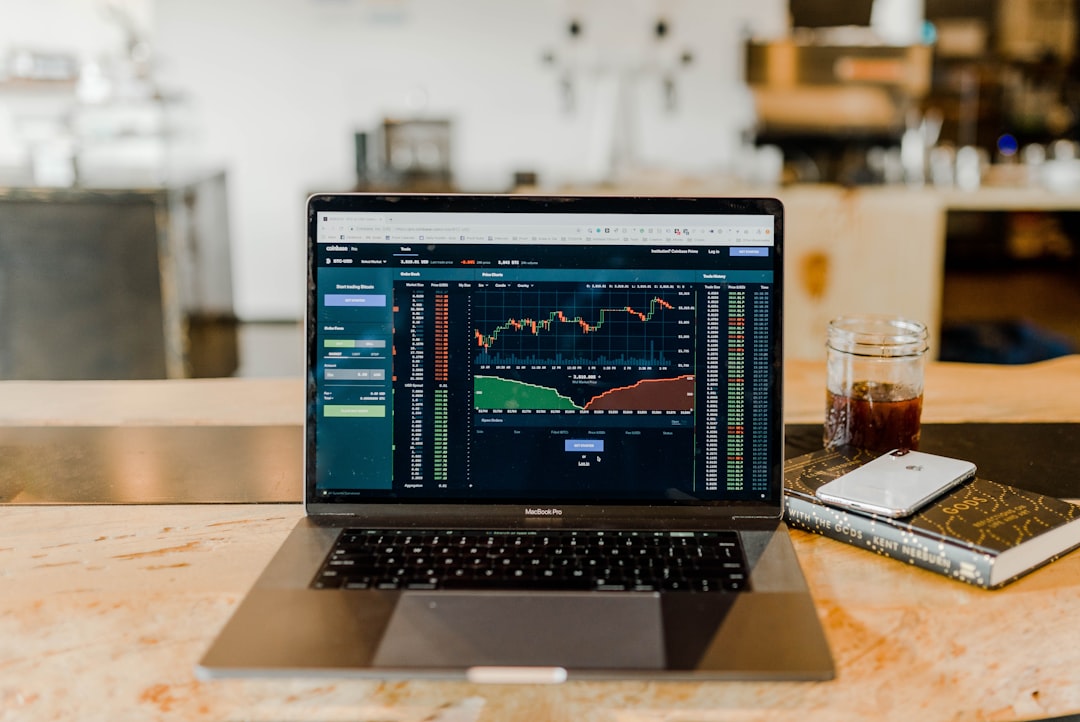
We think a clear plan is key for the stock market. Without one, you’re just guessing, which doesn’t lead to success. By setting your strategy early, you feel confident to make informed decisions quickly.
Beginner Stock Trading Strategies Explained
Understanding how to profit from market changes is a good start. Derivatives trading lets you profit from rising or falling prices. This flexibility is crucial for beginner stock trading strategies.
New traders often follow trends, buying assets that go up or selling those that go down. Using these stock market trading techniques helps you adjust to different market conditions. Being consistent is key when you’re new.
Mastering Stock Market Analysis Techniques
To build a solid plan, you need to master stock market analysis. This means looking at both fundamental data and technical charts. These two together give a full view of an asset’s potential.
Start with simple chart patterns to spot trends. By focusing on mastering stock market analysis, you learn to ignore market noise and find high-probability setups. This skill sets you apart from casual traders.
Identifying Entry and Exit Points
Knowing when to enter and exit trades is crucial. Always decide these points before trading. This keeps you from making emotional decisions during market ups and downs.
Many use support and resistance levels to find these points. Support is a price floor where buying is strong, and resistance is a ceiling. By using these beginner stock trading strategies, you can set clear profit and loss targets. This keeps you in control of your financial future.
Learning these stock market trading techniques takes time and practice. Remember, every trade is a lesson, win or lose. Stay patient, keep your strategy simple, and improve as you gain experience.
Starting with a Small Investment
Many successful investors started with just a little money. You don’t need a lot to start investing in the stock market. In fact, stock market investing for beginners works better with a small amount of money. This helps keep your finances safe.
The Power of Micro-Investing
Micro-investing lets you buy parts of expensive stocks. This way, you can invest in big companies even if you don’t have much money. Starting small helps you learn without risking everything.
- Access to premium stocks through fractional ownership.
- Lower emotional stress during market volatility.
- Ability to test strategies with real money in small doses.
Managing Risk with Limited Capital
With less money, every dollar is important. Trading with leverage means you only use a small part of the money for a trade. This can lead to big gains but also increases your risk. So, it’s key to be careful with how much you invest.
Good stock market investing for beginners means managing risk well. Never risk too much on one trade. By keeping your investments small, you avoid losing a lot if the market drops.
Scaling Up Your Portfolio Over Time
Consistency is key for long-term growth. As you get more confident and your strategy works, you can invest more. This way, you can grow your money while keeping risks under control.
Remember, the goal is to build a lasting habit, not to make quick money. By adding small amounts regularly and reinvesting profits, your portfolio will grow slowly but surely. This patient approach is what makes a pro trader.
Learning to Trade Like a Professional
Becoming a pro in the financial markets is not just about luck. It’s about following the strict rules of big players. When you change your view, you see the market as a place for smart business, not just guessing. This change needs a strong commitment to structure, which sets successful traders apart.
Adopting Institutional Habits
Big investors use proven methods, not feelings. To be like them, keep a detailed journal of every trade. Write down why you made the trade and how you felt. This helps you spot patterns that might slow you down.
Try these habits every day:
- Pre-market preparation: Look at economic news and calendars before the market opens.
- Objective analysis: Use charts and data to check if a trade makes sense.
- Post-trade review: Look at all trades to keep improving your strategy.
The Role of Risk Management
For pros, keeping money safe is key. Trading with leverage means big risks, as profits or losses are based on the full value, not just what you paid. Without careful controls, one bad trade can hurt a lot.
Protecting your money is crucial. Stop-loss orders are the best way to limit losses. By setting an exit point before you trade, you avoid holding onto losing bets.
| Feature | Amateur Approach | Professional Approach |
|---|---|---|
| Risk Control | Hoping for a recovery | Using stop-loss orders |
| Decision Making | Emotional impulses | Data-driven analysis |
| Goal Setting | Quick, large profits | Consistent, long-term growth |
Staying Updated with Market Trends
The financial world is always changing. Keeping up is key to staying ahead. Markets move with global news, interest rate changes, and news from specific sectors. If you’re not current, you’re trading with old info.
Set aside time each day to read financial news and reports. By staying informed, you can adjust your strategies to fit the current market. Consistency in your research leads to better choices and results.
Our Conclusion
Building a career in the stock market needs patience and sharp analytical skills. We’ve looked at the key steps to get started, from setting up your mindset to making trades on platforms like TD Ameritrade or E*TRADE.
Success in this field depends on adapting to market changes. The best way to get better is through consistent practice. See every trade as a chance to learn about risk and personal growth.
Trading is a long-term journey, not a quick race. Keep improving your strategies and stay curious about the world economy. Your dedication to learning will be your biggest asset in the future.
We encourage you to share your progress and insights with our trading community. Talking with others can give you new views on market trends. Start your next trading session with confidence and a clear plan for your financial future.
Our FAQs
How can we begin our journey if we have no prior financial experience?
Starting to trade stocks is more about mindset and education than having a lot of money. Open an account with a user-friendly platform like Fidelity or Charles Schwab. Then, dive into stock market education programs to learn the basics.
What are the best ways for us to learn the technical side of the market?
Online stock market courses from Investopedia Academy or Udemy are great. They help us understand the market’s details. This way, we can tell the difference between short-term and long-term investing.
Can we practice trading without the risk of losing our initial capital?
Yes, using paper trading simulators is a good idea. Platforms like Thinkorswim by TD Ameritrade let us practice in a virtual space. This helps us build confidence before trading with real money.
What specific methods should we use to analyze which stocks to buy?
Mastering stock market analysis is crucial. We should use both fundamental and technical analysis. Tools like TradingView help us find the best times to buy and sell.
Is it possible for us to trade effectively with a limited amount of money?
Absolutely! We can start small with micro-investing on apps like Robinhood or E*TRADE. This way, we can manage risk while learning. As we get better, we can grow our portfolio.
What are some reliable strategies for those of us just starting out?
Focus on proven strategies like “buy and hold” for steady growth or “swing trading” for short-term gains. Using these techniques helps us adapt to different market conditions.
How do we maintain a professional edge and protect our accounts from big losses?
We protect ourselves by adopting disciplined habits like those of institutional investors. Always use risk management tools and stay updated with financial news. Continuous learning keeps us competitive and ready for market changes.
Explore Our Exciting Related Products and Services