
Did you know prices for Radwood-era cars skyrocketed during the pandemic? Many fans were shocked to see prices rise so fast. But, we think you can still build your dream garage if you know where to look. We dive into the world of car ownership and how to start without spending too much.
Even though prices have gone up, strategic planning is key. You don’t need a lot of money to start investing in collector cars today. We aim to guide you through this hobby while keeping your finances in check. With the right approach, anyone can enjoy owning a piece of history. Let’s explore how to find hidden gems that bring joy and value over time.
Defining Your Investment Goals and Budget
We think that collector car investing begins long before you go to an auction or look online. Before buying your first car, set up a financial plan. This helps keep your hobby fun and stress-free.
Setting Realistic Financial Expectations
It’s important to mix your love for a car with the real cost of owning it. Many new collectors spend too much because they don’t think about all the costs. When planning your antique car investment strategies, remember it’s not just the buying price.
Think about these key budget points:
- Initial Acquisition Cost: The car’s price.
- Immediate Repairs: Money for needed fixes or upgrades.
- Ongoing Storage: Costs for keeping your car safe and dry.
- Insurance Premiums: Special insurance for classic cars.
Identifying Your Passion Versus Profit Balance
The best collectors find a balance between driving what they love and making money. Collector car investing should be enjoyable, but it also needs serious thought. Decide if you’re buying for fun or as an investment.
If profit is your goal, look for rare cars that need careful research. For personal joy, pick common classics that are easier to care for. By choosing wisely, you can build a collection that shows your style and keeps your money safe.
Understanding the Fundamentals of Collector Car Investing
To succeed in the collector car market, we must first grasp the fundamental forces that dictate asset appreciation. Knowledge is our greatest asset when navigating this complex landscape. By studying historical data, we can better predict which models are likely to hold or increase their value over time.
Effective collector car investing relies on a disciplined approach to research. We view these vehicles not just as machines, but as tangible assets that require careful evaluation. Developing a keen eye for market shifts allows us to build a portfolio that balances personal enjoyment with financial growth.
How Market Trends Influence Value
Market trends serve as the heartbeat of the automotive world. According to the Knight Frank Luxury Investment Index, investments in cars have shown an impressive increase of 185% over the last decade. This data highlights the potential for significant returns when we align our choices with broader economic shifts.
We must pay close attention to changing consumer tastes and emerging demographics. As younger generations enter the market, the demand for specific eras of vehicles often fluctuates. Staying informed about these trends is a core component of our antique car investment strategies.
The Role of Rarity and Condition in Asset Appreciation
Rarity and condition act as the primary drivers for value in the vintage automotive world. A vehicle that is both scarce and well-preserved will almost always outperform common, neglected models. We prioritize finding cars that have been maintained to a high standard, as restoration costs can quickly erode potential profits.
The following table outlines how these two factors interact to influence the long-term value of a vehicle in your collection:
| Vehicle Status | Rarity Level | Condition Impact | Market Outlook |
|---|---|---|---|
| High-End Classic | Extremely Rare | Concours Quality | Strong Appreciation |
| Modern Classic | Limited Production | Excellent/Original | Steady Growth |
| Mass-Produced | Common | Average | Stable/Low |
| Project Vehicle | Rare | Poor/Rust | High Risk |
By focusing on these variables, we ensure our antique car investment strategies remain sound. We always aim to acquire the best example our budget allows. This commitment to quality is the foundation of successful collector car investing.
Selecting the Right Entry-Level Vehicles

Many investors miss the great potential in cars from the 1980s and 1990s. As Gen X and older Millennials earn more, these cars are getting more popular. Focusing on this era is a smart antique car investment strategy for those on a budget.
You don’t need a lot of money to start. Look for cars that are fun to drive and will grow in value. These modern classics are great for getting into the market before prices go up.
Identifying Undervalued Models from the 1980s and 1990s
When looking for your first car, find models that were once common but are now rare. Choose cars with clean titles and original parts. These offer the best value for your money.
Successful vintage car investments need patience and research. Look for cars with a strong enthusiast following. This ensures demand for parts and future sales. Always value condition over mileage when checking these potential investments.
Why the Mazda Miata and BMW E30 Are Smart Starting Points
The Mazda Miata and BMW E30 are top picks for beginners. They’re known for their exceptional handling and timeless looks. They offer a driving experience that modern cars often can’t match, making them very appealing to fans.
These models are great because they’re easy to keep up and have a big support community. Whether you pick the agile Japanese roadster or the iconic German sedan, you’re investing in car history. They’re perfect for starting or growing a collection.
| Vehicle Model | Primary Appeal | Market Status |
|---|---|---|
| Mazda Miata (NA) | Reliability & Fun | Rising Value |
| BMW E30 | Classic Styling | High Demand |
| Toyota MR2 | Mid-Engine Layout | Undervalued |
Using these antique car investment strategies will help you feel confident in the market. Starting with these models gives you the experience to spot future opportunities. Remember, the goal is to enjoy the journey while building value over time.
Conducting Thorough Due Diligence Before You Buy
Before you sign the title, the most important step is long before. Due diligence is your main defense against losing money on a bad investment. Investing in vintage car investments needs a careful approach to avoid buying a money pit.
The Importance of Pre-Purchase Inspections
Don’t just look with your own eyes when checking a vehicle. It’s wise to hire a professional mechanic who knows the car’s make and model. A certified pre-purchase inspection finds hidden problems like mechanical issues, frame damage, or bad repairs.
These experts give you a report that can help you negotiate. If the report shows big problems, you can decide not to buy or lower your offer. These luxury car investment tips help you stay within budget and get a reliable car.
Verifying Provenance and Service Records
The market has many fakes and cars with shady pasts. You must check the provenance of any car before buying. A clear history, including original sales documents and consistent ownership, increases the car’s value.
Always ask for detailed service records to show the car was well-maintained. Consistent care is more important than low mileage for a car’s long-term reliability. By checking these documents, you make sure you’re buying a real piece of car history, not a fake or neglected car.
Managing Maintenance Costs to Protect Your Investment
Owning classic cars is rewarding, but maintenance costs can add up quickly. Some vintage models need expensive engine-out services, which can be costly. By being proactive, you can keep your collection in great shape without breaking the bank.
Learning Basic Mechanical Skills to Save Money
You don’t need to be a pro mechanic for simple tasks. Doing your own oil changes, brake pad replacements, and spark plug swaps can save you a lot. These essential skills help you spot small problems before they become big, expensive issues.
Working on your own car can make you feel closer to it. Start with a basic tool kit and a service manual for your model. These luxury car investment tips will help keep your car’s value up while keeping costs down.
Sourcing Affordable Parts for Vintage Models
Finding the right parts at good prices is crucial. Don’t just buy from dealerships. Look online at enthusiast forums and clubs. These places often have members selling parts at lower prices.
Building relationships with local salvage yards or independent shops is also smart. Patience is key when searching for rare parts. This way, you avoid high prices. By finding parts wisely, your vintage car investments will bring joy, not financial stress.
Combining your love for cars with smart money management is key. Using these luxury car investment tips will safeguard your collection. It will keep your cars running well for many years.
Storage Solutions for Your Growing Collection
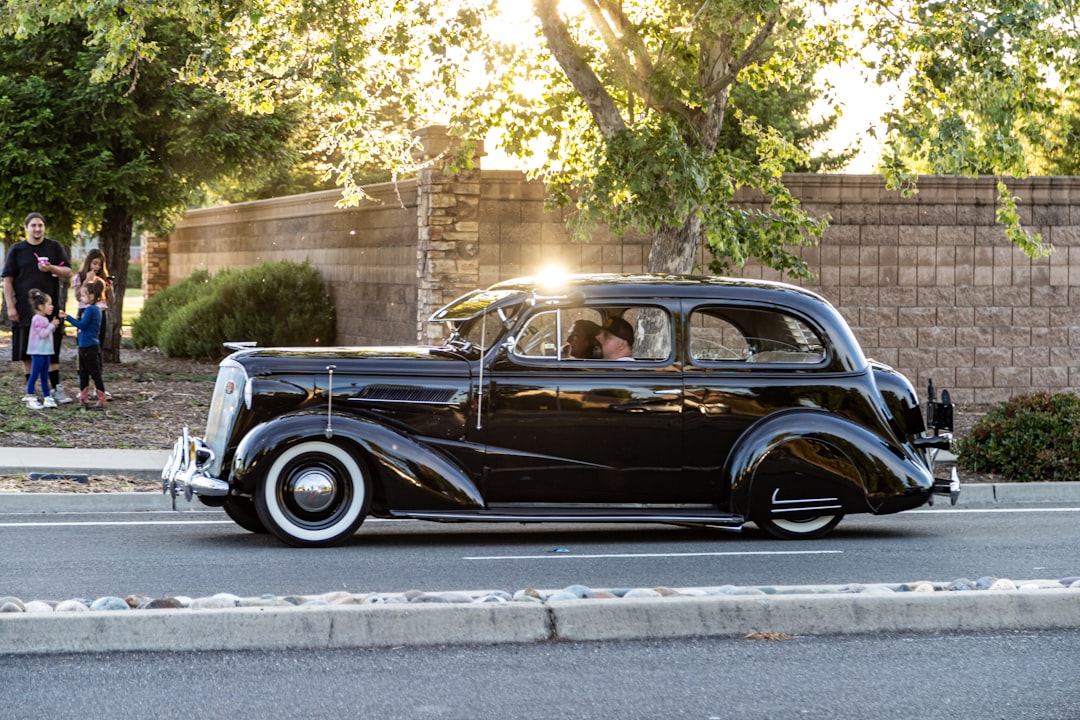
Where you park your car is as important as what you buy. Good storage keeps your car safe from damage. This damage can lower your car’s value. As we grow our classic car portfolios, we need to protect our cars from moisture, pests, and extreme temperatures.
Balancing Security and Cost in Vehicle Storage
Finding a balance between security and cost is hard for new collectors. A top-notch, climate-controlled garage is the best but it’s pricey. Look for local garages that are secure and have climate-controlled environments but don’t cost too much.
If you store your car at home, make sure your garage is sealed to keep humidity out. A good dehumidifier is a smart luxury car investment tip for saving money. It stops rust and mold, which harm your car’s condition.
Preventative Maintenance for Long-Term Parking
After finding a safe spot, get your car ready for long-term parking. Cars left for months can get flat tires and dead batteries. Use a battery tender to keep your car’s electrical system working well.
Also, add fuel stabilizer to your tank to stop gasoline from breaking down. Keep your tires at the right pressure to keep them in good shape. These small steps help keep your collection in peak condition for a long time.
| Storage Option | Security Level | Cost Efficiency | Climate Control |
|---|---|---|---|
| Home Garage | High | Excellent | Variable |
| Storage Facility | Very High | Moderate | Consistent |
| Private Warehouse | High | Low | Moderate |
Navigating Insurance and Legal Requirements
Protecting your investment is more than just a garage and a car cover. As you grow your classic car portfolios, you need to shield every asset from unexpected events. Having the right documentation and coverage gives you peace of mind to enjoy your hobby fully.
Choosing the Right Collector Car Insurance Policy
Standard auto insurance often doesn’t meet the needs of vintage vehicle owners. These policies use actual cash value, which considers depreciation, not the true worth of your vehicle. You should look for specialized collector car insurance that offers agreed-upon value coverage.
This type of policy ensures you get the full insured amount if your car is totaled. Many providers also offer specialized roadside assistance for older engines and unique mechanical needs. Keeping up with collectible car market trends helps adjust these values as your vehicles appreciate.
| Feature | Standard Insurance | Collector Insurance |
|---|---|---|
| Valuation Method | Actual Cash Value | Agreed-Upon Value |
| Depreciation | Applied | Not Applied |
| Roadside Support | Basic | Specialized/Flatbed |
| Usage Limits | Daily Commuting | Limited/Pleasure |
Understanding Title Transfers and Registration Fees
Managing the legal side of your collection is as important as the mechanical side. Each state has its own rules for title transfers, and not following them can lead to costly administrative errors. Always check that the VIN on the title matches the physical plate on the vehicle before making any purchase.
Registration fees can change a lot based on your location and the car’s age. Some states offer lower rates for historic or vintage plates, which can help keep your budget in check. Keeping your paperwork organized ensures your classic car portfolios stay legal while you follow collectible car market trends for future growth.
Diversifying Your Portfolio Beyond the Garage
Building a strong collection means looking beyond common garage items. Starting with entry-level models is good, but growing comes from exploring special segments. This way, we create classic car portfolios that are both thrilling and financially stable.
Exploring Rare Car Collections and Niche Markets
Niche markets often hold the biggest opportunities. Instead of focusing on common models, we seek out rare or historically significant cars. These vehicles often move differently than the general collectible car market trends, offering a safety net against market ups and downs.
Selling rare cars can be slow, posing a liquidity risk. To avoid this, we focus on cars with a strong enthusiast base. Finding the right buyer for a rare car takes time, but the potential for value increase is greater than with common models.
When to Sell and When to Hold Your Assets
Deciding when to sell is as crucial as when to buy. We keep an eye on collectible car market trends to spot the best times to sell certain models. If a car’s value has peaked, it might be the right moment to sell and invest in something new.
But, holding onto rare, high-quality cars for the long haul is often the best plan. We choose patience to let these assets appreciate over years. Below is how we manage these assets effectively.
| Strategy | Market Condition | Action Required |
|---|---|---|
| Hold | Stable Growth | Maintain condition and provenance |
| Sell | Market Peak | Liquidate to capture profit |
| Diversify | High Volatility | Shift capital to niche models |
By staying disciplined, our classic car portfolios stay vibrant. We view each car as a strategic investment, blending passion with financial wisdom. This approach distinguishes us from casual collectors and makes us successful investors.
Avoiding Common Pitfalls for New Investors
Starting a collection of classic cars is thrilling, but it has financial risks. We aim to keep your investment journey rewarding, not stressful. By being cautious, you can confidently explore the world of rare car collections.
Steering Clear of Money Pits and Rust Buckets
It’s tempting to buy a cheap project car, thinking it’s a good deal. But, many new investors fall into the “rust bucket” trap. A low-cost car can quickly turn into a costly fix due to hidden rust.
These money pits often have hidden rust that’s hard to spot. Always choose a solid, rust-free base over a nice paint job. Remember, restoration costs can often exceed the car’s final value.
The Dangers of Over-Restoration on a Budget
Another mistake is spending too much on a car that’s not worth it. Always check the collectible car market trends before starting big projects. Spending $20,000 on a $15,000 car means you’ve lost money.
Instead, focus on making the car reliable and safe, not perfect. A well-kept, driver-quality car is often better than a showpiece you’re afraid to use. Strategic spending is key to success in this hobby.
| Risk Factor | Impact on Value | Mitigation Strategy |
|---|---|---|
| Structural Rust | High Negative | Avoid purchase entirely |
| Mechanical Neglect | Moderate Negative | Budget for professional service |
| Over-Restoration | Financial Loss | Research market ceilings |
| Missing Records | Low Liquidity | Verify provenance early |
Our Conclusion
Building a collector car portfolio on a budget is a rewarding journey. It combines personal passion with financial discipline. You now have the tools to navigate the market and grow your collection with confidence.
Your path to owning rare cars starts with small, smart choices. Each car you buy is a step toward your dream garage. Stay focused on your goals and watch for new opportunities.
The world of cars is full of excitement for those who learn. You might move from entry-level to high-end cars as you grow. Keep researching, stay patient, and enjoy the thrill of preserving car history.
We invite you to share your progress as you hunt for your next classic find. Your journey into vintage vehicles is just starting. We look forward to seeing the unique collection you build over the coming years.
Our FAQs
How do we stay updated on the latest collectible car market trends?
We keep an eye on auction results from RM Sotheby’s and online platforms like Bring a Trailer. We also use Hagerty’s valuation tools to track prices. This helps us see which collector car investments are growing the most.
Are vintage car investments safer than traditional stocks?
Vintage car investments have their own risks, but they offer a tangible asset. Unlike stocks, you can enjoy a car while it grows in value. Still, we advise diversifying your classic car portfolio to avoid big risks.
What are some high-end car investment opportunities for those on a strict budget?
For those on a budget, look at “future classics” like the Porsche Boxster (986) or the Mercedes-Benz SL (R129). These models are a great way to get into prestige brands without spending a lot, making them excellent luxury car investment tips.
How do antique car investment strategies differ for beginner collectors?
Beginners should focus on cars that are easy to sell and maintain. Our strategies aim for models with big fan bases and easy-to-find parts. This makes selling easier and keeps your collection growing smoothly.
What is the best way to start rare car collections without a massive garage?
Start by choosing quality over quantity. Invest in one rare, high-condition car instead of several mediocre ones. If space is tight, consider professional storage condos for your rare car collection.
Can we use collector car insurance for a vehicle we drive every day?
Usually, no. Collector car insurance policies often require the vehicle to be stored and not used daily. We keep a “daily driver” to meet insurance needs and keep our investment cars in top condition.
Explore Our Exciting Related Products and Services