
Did you know nearly 80% of self-made millionaires say managing debt is key to their success? They don’t just earn a lot; they grow their wealth by keeping debt low. Borrowing is not always a bad thing; it can help you grow your assets. Financial freedom is possible, even with a small budget.
It’s about changing how you think about saving money. By managing your finances well, you can make small investments grow big. In this guide, we’ll show you how to use credit for business income opportunities to secure your financial future. We’ll teach you to use borrowed money to diversify your income and grow your business. Let’s learn how to borrow smartly and achieve your goals quicker.
Understanding the Role of Strategic Debt in Wealth Creation
Strategic debt is key for a small business to grow. Many think borrowing is bad, but successful entrepreneurs see it as a growth tool. It lets you buy assets that make money over time.
Using debt wisely can speed up your financial freedom. It’s about seeing debt as a catalyst for expansion, not a burden. We should aim to build systems that help us grow, not just earn a paycheck.
Differentiating Between Good Debt and Bad Debt
Not all debt is the same. To grow wealth, we need to tell good debt from bad. Good debt is an investment in something that grows in value or makes money.
Here’s a simple way to sort your debts:
- Good Debt: Loans for inventory, equipment, or real estate that make more money than they cost.
- Bad Debt: High-interest credit for things that lose value or don’t make money.
- Strategic Leverage: Borrowing to grow a business or buy assets that make money.
The Mindset Shift Required for Business Expansion
Changing from a consumer to an investor mindset is crucial. We often want quick wins, but sustainable wealth comes from steady growth. You need to focus on the long term, not just now.
Seeing debt as a strategic tool makes you spend smarter. You start to ask if a purchase will increase your revenue. This mindset lets you take smart risks for real growth and financial freedom.
Assessing Your Financial Readiness Before Seeking Funding
We think business growth begins with knowing your finances well. Before you meet with lenders, it’s crucial to understand your financial situation clearly. This step helps prevent overextending yourself when looking for funding for your next project.
Evaluating Personal and Business Cash Flow
A good budget is like a map to success. It shows where your money goes, helps cut down on unnecessary spending, and focuses on your main priorities.
Make a list of your monthly income and expenses to spot where money leaks out. These small costs can make it hard to get good loan terms. By controlling your spending, you show lenders you’re a disciplined and responsible borrower.
Calculating Your Debt-to-Income Ratio
Your debt-to-income (DTI) ratio is key for lenders to see your risk level. Knowing this ratio helps you understand how much you can borrow before applying.
To calculate your DTI, divide your total monthly debt by your monthly income. A lower ratio means you have enough money to take on new debts. Keeping this ratio low is a smart strategy to keep your business stable while growing.
How to Improve Your Business Credit Score for Better Terms
Improving your business credit score is a smart move. It opens the door to better loan terms. Improving your business credit score means your company can grow and stay stable. Lenders want to see you’re consistent.
Establishing a Separate Business Identity
Start by separating your personal and business finances. Get an Employer Identification Number (EIN) from the IRS. This number is like a Social Security number for your business.
Then, register your business as an LLC or corporation. Open a business bank account to keep your money separate. This stops personal spending from hurting your business credit.
Managing Trade Lines and Payment History
After setting up your business identity, work on building a good payment history. Start by opening trade lines with suppliers who report to credit bureaus. Always pay these bills on time to show you’re reliable.
Regular, timely payments are key to a better credit score. Lenders check your payment history to decide on interest rates. Keep your credit use low and your history clean to attract lenders.
| Strategy | Primary Benefit | Implementation Difficulty |
|---|---|---|
| Separate Bank Accounts | Financial Clarity | Low |
| Vendor Trade Lines | Credit History Growth | Medium |
| On-Time Payments | Higher Credit Score | Low |
| Credit Monitoring | Error Detection | Medium |
Exploring Credit for Business Income Opportunities
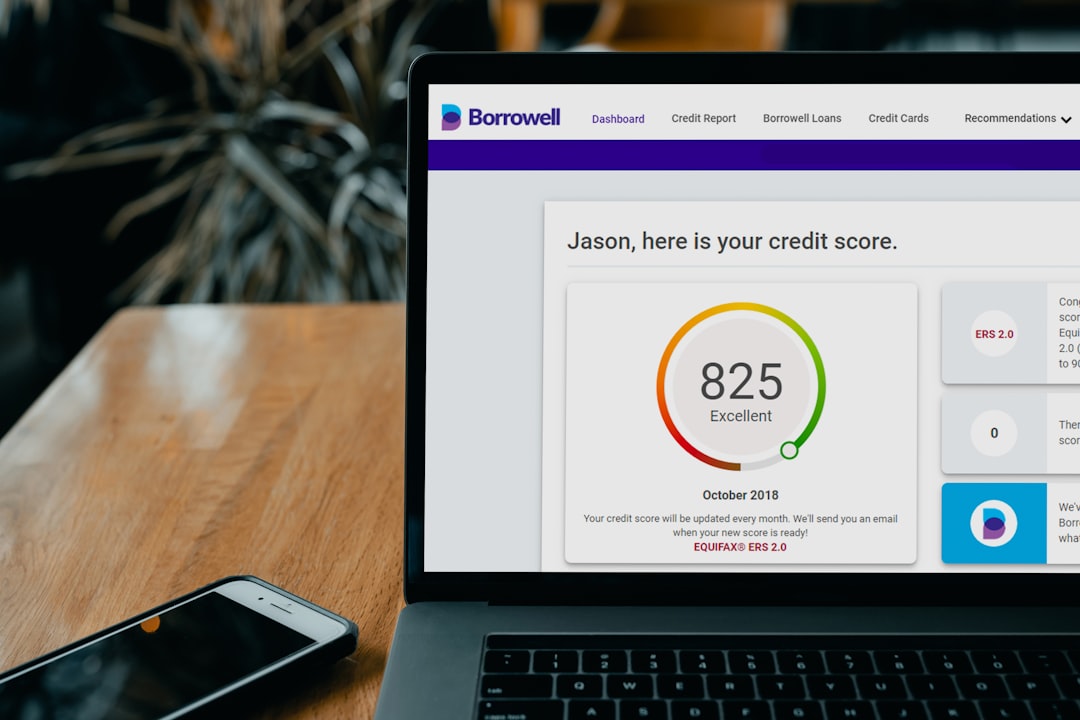
Many successful business owners use borrowed capital to grow their ventures. Credit for business income opportunities helps turn small projects into big ones. Whether you’re a photographer or an interior designer, borrowing can help you reach new heights.
Leveraging Business Credit Lines for Inventory Acquisition
Retail businesses often need stock before they can sell. A dedicated business credit line lets you buy inventory in bulk. This proactive approach helps meet customer demand without using personal savings.
Keeping a healthy inventory level is key for steady cash flow. Using credit to stock up on popular items shortens the time to profit. This is a smart way to use credit for business income opportunities to grow.
Using Financing to Scale Digital Service Businesses
Digital services like party planning or graphic design need special software or hardware. Financing these tools lets you offer premium services for more money. Investing in the right technology early on can make your business stand out.
Spreading the cost of expensive equipment over months keeps your monthly costs low. This strategy keeps your business flexible while you build your client base. It’s a smart way to use credit for business income opportunities while keeping operations stable.
Investing in Revenue-Generating Assets
Credit can also be used to buy assets that make money passively or semi-passively. This could be specialized equipment for a rental business or upgrading a studio space for workshops. These assets work for you, creating multiple income streams over time.
The following table outlines how different funding applications can impact your bottom line:
| Asset Type | Primary Benefit | Income Potential |
|---|---|---|
| Retail Inventory | Higher Profit Margins | Immediate Sales |
| Digital Software | Increased Efficiency | Scalable Service Fees |
| Specialized Equipment | Rental Revenue | Long-term Returns |
The goal is to make sure every dollar borrowed helps your financial health in the long run. By choosing where to apply your capital wisely, you create a path to credit for business income opportunities that lasts for years.
Navigating Small Business Loans and Financing Options
Choosing the right funding for your business is key to success. When looking at small business loans, weigh your need for cash now against the cost of debt later. The right choice can protect you from economic downturns and keep your business running smoothly.
Comparing Traditional Bank Loans and Online Lenders
Traditional banks offer stable and affordable rates for established businesses. But, the application process is slow and requires lots of paperwork. If you have good credit, these banks are great for long-term growth.
Online lenders, on the other hand, are fast and convenient. They’re perfect for startups needing quick capital. The interest rates might be higher, but their flexibility can greatly improve your cash flow.
Understanding SBA Loan Programs for Growth
The Small Business Administration (SBA) offers government-backed loans. These loans reduce the risk for lenders, making them more accessible. They’re ideal for businesses wanting to grow or invest in equipment.
But, SBA loans take longer to get approved than private loans. The lower interest rates and longer repayment terms make them a strategic choice for growth. We suggest checking if your business qualifies early on.
| Funding Source | Approval Speed | Interest Rates | Best For |
|---|---|---|---|
| Traditional Banks | Slow | Low | Established Growth |
| Online Lenders | Fast | High | Immediate Needs |
| SBA Loans | Very Slow | Competitive | Long-term Expansion |
Selecting the Right Funding Sources for Your Specific Goals
Choosing the best business funding sources means knowing your financial future. Not all money is the same, and the wrong choice can slow you down. By understanding your needs, you can find the right funding for growing businesses that fits your goals.
Matching Loan Terms to Your Income Stream Timeline
It’s key to match your debt with when you’ll start making money. If you borrow for a project that takes six months, your loan terms should match. Matching your repayment schedule to your income timeline helps avoid daily operation stress.
Talking to a financial planner or your banker is a good idea. They can help plan how your new income will be used. This way, you avoid paying for capital you don’t need yet.
Avoiding High-Interest Pitfalls in Short-Term Financing
Quick cash might look appealing, but short-term loans often have hidden costs. High-interest rates can eat into your profits, leaving less for growth. Sustainable expansion needs affordable, long-term solutions, not expensive short-term fixes.
Always check the fine print before signing. Look for funding for growing businesses with clear terms and low interest rates. By choosing the right funding, you set your business up for success and stability.
Step-by-Step Guide to Securing Your First Business Credit Line

Getting a business credit line can seem tough for new business owners. But, having flexible capital can make a big difference. It helps you cover startup costs or invest in marketing.
Preparing Your Business Plan and Financial Projections
Lenders want to see your business plan. It should outline your revenue model and goals. Precision is vital in your financial projections. They show you can repay the debt.
Include all startup costs in your budget. Even small things like marketing materials matter. A well-thought-out strategy makes it easier to get approved.
Submitting a Compelling Application to Lenders
With your documents ready, it’s time to make a standout application. You want to show your business’s potential and address any lender concerns. Transparency is your best tool for building trust.
Highlight what makes your business unique. A professional application shows you’re serious. Getting a business credit line is a big win for your future success.
Managing Debt Responsibly to Protect Your Cash Flow
When you use credit, your main goal is to make every cent count. Sustainable growth isn’t about borrowing a lot. It’s about managing what you borrow well. Keeping an eye on your finances helps you avoid unnecessary stress.
Implementing Strict Budgeting for Loan Repayments
A solid budget is your guide for handling debt. Make sure loan payments don’t hurt your daily operations or key business tasks. Always save for debt before spending on new projects.
Being consistent is crucial for a healthy balance between debt and income. Treat loan payments as a must-have expense. This way, you avoid late fees and protect your credit score. It keeps your cash flow steady, even when things slow down.
Monitoring Return on Investment for Every Borrowed Dollar
Every dollar borrowed should be seen as an investment. You must track the Return on Investment (ROI) for each project. This ensures it adds value to your business. If a project doesn’t meet expectations, be ready to change plans.
Remember, never invest more than you can afford to lose. Even with good plans, things can change. By watching your numbers closely, you stay flexible and protect your money for the long term.
Diversifying Income Streams Using Leveraged Capital
We can change our financial future by using borrowed money to find new ways to make money. Relying on just one job or business idea is risky. A business credit line lets us try new things without using our main money.
Scaling E-commerce Operations with Credit
E-commerce lets us grow fast with the right stock. We use a business credit line to buy lots of stock at low prices. This makes our profits higher and helps us get more customers during busy times.
We can also spend money on digital ads. Scaling well means putting borrowed money into ads that work well. This way, we keep making money without much work.
Expanding into Real Estate or Rental Income
Real estate is a solid way to make money over time and have passive income. With enough money, we can use a business credit line for a down payment. Then, we can rent it out to make more money now and have security later.
But, managing rental properties needs careful planning and good relations with tenants. Still, the value of real estate often grows more than the work it takes. By investing in property, we protect our money from other business ups and downs.
| Strategy | Primary Benefit | Risk Level | Capital Source |
|---|---|---|---|
| E-commerce Scaling | High Cash Flow | Moderate | Business Credit Line |
| Rental Property | Asset Appreciation | Low | Leveraged Loan |
| Digital Services | High Profit Margin | Low | Operating Cash |
Mitigating Risks When Using Credit for Business Growth
We believe that sustainable growth is only possible when you manage borrowing risks well. Using capital can speed up your success, but it also brings big risks. The right credit solutions for small businesses can help you stay strong through market ups and downs.
Creating an Emergency Fund for Debt Service
Keeping a liquidity buffer is key to protecting your business. This fund should cover debt payments, even when money is tight. It keeps you from defaulting and gives you peace of mind.
It’s wise to save three to six months of loan payments in a high-yield savings account. This acts as a financial safety net. It lets you focus on running your business without worrying about paying back loans right away. It’s a crucial part of managing credit wisely.
Knowing When to Pause Expansion Efforts
It’s crucial to know when you’re growing too fast. If your debt-to-income ratio goes up too quickly or cash flow is always tight, slow down. Growing too quickly can use up all your resources and make you vulnerable to small economic changes.
Always check your employer’s rules on side jobs and get approval before starting new projects. If your main business needs your full attention to stay stable, don’t rush to expand. Protecting your existing assets is more important than fast, risky growth.
| Strategy | Risk Level | Primary Focus |
|---|---|---|
| Aggressive Growth | High | Market Share |
| Sustainable Growth | Low | Cash Flow Stability |
| Balanced Approach | Moderate | Long-term Viability |
Being aware of your limits helps you expand with confidence. Focus on safety over speed to make sure your credit solutions work for you. Stay disciplined, watch your numbers, and slow down when needed to ensure your success.
Conclusion
Building wealth is a journey that takes intention, strategy, and patience. You now know how to use credit to diversify your income. This can help secure your financial future.
Remember, progress is more important than perfection. Keep up with your habits and track your growth in business finance. Small, consistent actions can lead to big results over time.
We urge you to start building multiple income streams today. Your journey to financial independence begins with the choices you make now. Trust your plan and stay committed to your long-term goals.
Conclusion
What are the best credit for business income opportunities for a new entrepreneur?
New entrepreneurs should consider e-commerce inventory financing or equipment leasing. These options use a business credit line to acquire assets that generate sales, like stocking a Shopify store or buying professional gear for a service-based business.
How can I quickly improve business credit score ratings?
The most effective way is to open trade lines with net-30 vendors like Quill or Grainger and pay them early. Ensuring your business is registered with Dun & Bradstreet and making on-time payments will significantly boost your score over time.
What are the primary business funding sources for companies that are just starting out?
For many, the most accessible financing options for startups include SBA microloans, personal lines of credit for business, or specialized small business loans from online lenders like Kabbage (now part of American Express). These sources provide the initial capital needed to prove your business model.
Are there specific credit solutions for small businesses that need to manage seasonal cash flow?
Yes, we often suggest a revolving business credit line. Unlike a term loan, this allows you to draw funds only when needed—such as during a slow season—and pay them back once your peak season revenue arrives, keeping your interest costs low.
How do we identify the best funding for growing businesses when multiple options are available?
We compare the Total Cost of Capital. Look beyond just the interest rate and evaluate the terms, fees, and repayment flexibility. For long-term growth, an SBA 7(a) loan is often superior, whereas for rapid inventory turns, a short-term line of credit might be more effective.
Explore Our Exciting Related Products and Services