
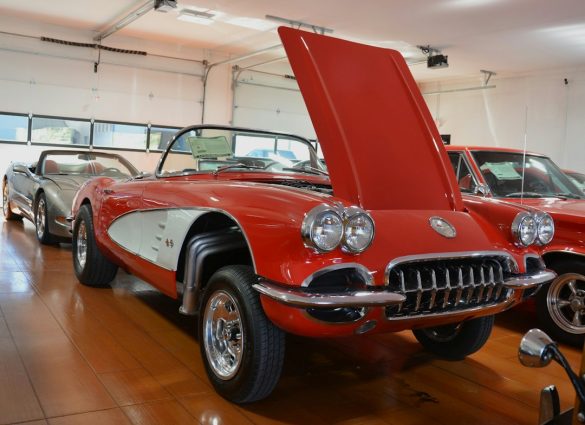
Hidden transaction costs can take more than 20% of a vehicle’s final sale price. Owners often focus on the top offer, but true success means calculating your net proceeds after commissions, transport, and taxes. Selling specialized collector cars takes more than a listing; it requires a smart plan for value and presentation. This guide offers United States sellers a practical roadmap for navigating the market with confidence.
We will guide you through each key step, from professional preparation and platform choice to secure closing procedures. You will learn to check potential buyers, manage complex paperwork, and avoid common problems that lower your final return. Proven methods can help your collector cars reach the right audience at the perfect time. Let’s turn your prized asset into a successful, high-value transaction.
Define the Car’s Value and Selling Goals
Success in the collector car market starts by studying your vehicle’s history and setting clear selling goals. Collector cars gain value from rarity, condition, and demand, not age alone.
What Makes Collector Cars Valuable in the United States
Rarity, production history, originality, condition, and documented provenance
The true value of vintage automobiles often comes from careful preservation. Collectors prefer cars with clear records that prove their authenticity and care.
Originality can raise a car’s price. Factory-correct parts attract serious buyers who value historical accuracy.
How matching numbers, factory options, ownership history, and awards affect price
Matching numbers are a critical indicator of value for many high-end models. Factory options and documented ownership add credibility. Awards from respected antique car shows offer third-party proof that buyers trust.
Choose Between Maximum Profit, Fastest Sale, and Lowest Effort
When a private sale makes more financial sense than an auction
Your selling goals should guide the method. A private sale often produces the highest net profit because it avoids major auction-house commission fees.
However, it demands more work, including buyer screening and transaction management. An auction costs more but may suit sellers who want a hands-off process.
How location, season, liquidity, and buyer demand influence the decision
Market conditions strongly affect your final result. Research the current auto enthusiast community to learn whether buyers currently want your model.
- Location: Selling in a region with a strong car culture can increase visibility.
- Seasonality: Convertibles often sell better in the spring, while other models may peak during winter auctions.
- Liquidity: Highly desirable models sell quickly, while niche vehicles may require a longer wait to find the right buyer.
Identify the Most Likely Buyer
Brand-specific enthusiasts, restoration buyers, investors, and first-time collectors
Effective marketing begins with knowing your target audience. Your buyer may be a seasoned investor or first-time collector who values your vehicle’s heritage.
Why a 1967 Ford Mustang Shelby GT500 attracts a different audience than a 1957 Chevrolet Bel Air
The car’s cultural impact shapes its buyer pool. A 1967 Ford Mustang Shelby GT500 attracts performance fans who value racing history and raw power.
A 1957 Chevrolet Bel Air often attracts a broader audience interested in nostalgia and classic American design. Tailor your message to the right auto enthusiast community so likely buyers see your listing. This approach can help you earn a premium for your specific vintage automobiles.
Prepare the Collector Car Before Listing It
Making your vehicle show-ready takes careful mechanical work and thoughtful cosmetic care. Preparing it well shows serious buyers that you value historic car preservation. This effort can create a smoother sale and a higher final price.
Complete a Mechanical and Cosmetic Inspection
Check the engine, transmission, brakes, suspension, electrical system, tires, and fluids
Begin with a full check of the car’s major systems. Make sure the engine runs smoothly, the transmission shifts easily, and the brakes stop the car firmly. Check suspension wear, electrical features, headlights, interior gauges, tires, and fluids.
Document defects honestly before a buyer or inspector finds them
Honesty builds trust in the collector cars market. List a minor oil leak or small paint chip before buyers find it. Honest listings earn respect and limit price pressure during negotiations.
Choose Repairs That Increase Net Profit
Prioritize safety, drivability, paint correction, detailing, and inexpensive cosmetic improvements
Spend your budget on improvements that make the car safer and more enjoyable right away. Professional detailing, light paint correction, and safe driving condition often earn more than major overhauls. These steps help your vintage automobiles look and feel their best.
Calculate whether classic car restoration costs are likely to be recovered at sale
Before a major classic car restoration, compare its cost with its likely sale value. Ask whether the car’s market value will rise enough to cover your spending. Minor cosmetic fixes often return more than deep mechanical rebuilds.
Organize Provenance and Historic Documentation
Collect title records, service invoices, build sheets, photographs, awards, appraisals, and restoration receipts
Build a complete folder for the car’s history. Include title records, service invoices, original build sheets, photographs, awards, appraisals, and restoration receipts. These records support the car’s history and help protect its value over time.
Explain gaps in ownership history without overstating the car’s originality
Clearly explain any periods when the ownership history is unknown. Do not claim originality without paperwork to support it. Being honest about what you know protects your credibility with enthusiasts of vintage automobiles.
Produce Professional Photos and Video
Capture exterior angles, engine bay, undercarriage, interior, trunk, odometer, VIN plate, and imperfections
Strong photos help attract serious buyers. Photograph every angle in good lighting, including the undercarriage, engine bay, interior, trunk, odometer, and VIN plate. Show imperfections to build trust and prove you have nothing to hide.
Use cold-start, driving, walk-around, and mechanical-operation videos to build buyer confidence
Videos let remote buyers experience the car from afar. Use cold-start, driving, walk-around, and mechanical-operation videos to show road readiness and build buyer confidence. This detail supports successful historic car preservation and helps your listing stand out.
| Preparation Task | Impact on Sale | Effort Level |
|---|---|---|
| Professional Detailing | High | Low |
| Organizing Service Records | High | Medium |
| Paint Correction | Medium | High |
| Major Engine Rebuild | Low | Very High |
Set a Price Using Comparable Collector Cars
Correct car pricing requires market data, not gut feelings. Objective evidence helps attract serious buyers while protecting your finances.
Research the Rare Car Market
Compare completed sales rather than optimistic asking prices
Many sellers price cars by copying online asking prices. Yet actual transaction prices often fall well below listed prices. Use completed-sale data to learn what buyers will pay for collector cars.
Use Hagerty Valuations, J.D. Power values, Hemmings listings, auction results, and marque-club records
Use trusted industry tools to set your baseline. Hagerty Valuations and J.D. Power provide strong benchmarks. Hemmings listings, antique vehicle auctions, and marque-club records show real-world trends for your vehicle’s make and model.
Adjust Comparable Prices for Condition and Specification
Separate project, driver-quality, show-quality, and concours-quality examples
Condition drives a car’s value. Categorize your vehicle honestly, from a project car needing total restoration to a concours-quality example ready for shows.
Account for mileage, transmission, engine configuration, color combination, originality, and restoration quality
Small details can cause large price changes in the rare car market. Use this table to adjust your baseline price for specific vehicle attributes:
| Attribute | Value Impact | Consideration |
|---|---|---|
| Originality | High | Numbers-matching components increase value. |
| Mileage | Moderate | Lower mileage generally commands a premium. |
| Color | Variable | Rare or factory-correct colors are preferred. |
Build a Defensible Asking Price
Set a target price, minimum acceptable price, and negotiation range
Set a clear strategy before listing. Define your target price, minimum acceptable price, and negotiation range. This strategy keeps you in control during the sale.
Include transportation, inspection, auction, advertising, payment-processing, and seller fees in the profit calculation
Subtract overhead costs from the final sale price. Include transportation, inspection, auction, advertising, payment-processing, and seller fees in your profit calculation. Advertising fees, professional inspections, and platform commissions can greatly reduce net profit.
Understand Appraisals, Insurance Values, and Tax Considerations
Explain why an agreed-value insurance figure may not equal current market value
An agreed-value insurance policy protects your car; it does not show current market trends. These figures may stay static and overlook recent changes in the value of collector cars.
Encourage consultation with a qualified tax professional about capital gains, business deductions, and state requirements
Selling high-value assets can create complex tax duties. Consult a qualified tax professional about capital gains, business deductions, and state requirements. This can help prevent unexpected liabilities after selling your vehicle at antique vehicle auctions.
Choose the Right Sales Channel and Platform

Your sales platform affects your final profit and transaction speed. Every seller has different priorities, including maximizing financial returns and finding the vehicle a new home within an auto enthusiast community.
Sell Directly Through a Private Listing
Use Hemmings, Autotrader Classics, Facebook Marketplace, enthusiast forums, and local auto enthusiast communities
Private listings give you control over the story and final price. Hemmings and Autotrader Classics reach buyers seeking collector cars.
Compare listing reach, audience quality, account requirements, moderation, and current posting fees
Facebook Marketplace offers massive reach but requires more effort to filter serious inquiries. Check official websites because subscription models and listing costs often change.
Use Online Auctions for Competitive Bidding
Bring a Trailer: marketplace background, auction format, listing requirements, reserve options, buyer audience, and seller fees
Bring a Trailer specializes in high-quality, carefully selected sales. Its auction format creates urgency and can raise prices above standard listings.
Cars & Bids: enthusiast-focused inventory, accepted vehicle types, auction process, payment expectations, and current charges
Cars & Bids focuses on modern classics, offering a strong option for vehicles from the 1980s to the present. The process is streamlined, but you must meet its payment and documentation requirements.
eBay Motors: listing formats, seller account requirements, transaction protections, payment options, and current fees
eBay Motors remains a massive global marketplace with strong transaction protections. It works well for sellers seeking the widest possible audience quickly.
Consider Major Auction Houses and Vintage Car Dealerships
RM Sotheby’s, Gooding & Company, Bonhams|Cars, Mecum, and Barrett-Jackson: specialties, reach, consignor services, and auction calendars
For high-value assets, antique vehicle auctions from major houses offer unmatched prestige. These firms manage photography and catalog placement but charge significant seller commissions.
Compare entry requirements, reserve policies, buyer premiums, seller commissions, transport, photography, and catalog placement
Review the auction calendar to ensure your car fits the event theme. Buyer premiums can affect the final bid, so include them in net profit expectations.
Evaluate Dealer Consignment and Outright Purchase Offers
How consignment can provide showroom access while reducing the seller’s net proceeds
Working with vintage car dealerships offers convenience because dealers handle showings and negotiations. Their commission, however, reduces your total take-home pay.
How to compare a dealer’s guaranteed offer with a realistic private-sale profit
A dealer’s guaranteed offer provides immediate liquidity and zero hassle. Compare it with a private sale’s potential net profit before choosing convenience.
Verify Current Platform Terms Before Committing
Check official websites for current prices, seller commissions, buyer premiums, free plans or trials, minimum requirements, and cancellation policies
Before signing an agreement, visit the official website to confirm the latest terms. Cancellation policies and reserve minimums can change without notice.
Review customer-service telephone numbers, email or support options, business hours, mobile apps, desktop platforms, and dispute procedures
Make sure reliable support channels are available. A platform with a dedicated mobile app and responsive customer service can make selling much smoother.
| Sales Channel | Best For | Primary Advantage | Typical Cost |
|---|---|---|---|
| Private Listing | Common Classics | Full Price Control | Low/Flat Fee |
| Online Auction | Enthusiast Vehicles | Competitive Bidding | Percentage of Sale |
| Major Auction House | High-End/Rare | Global Exposure | High Commission |
| Dealer Consignment | Convenience | Professional Handling | Variable Margin |
Market Collector Cars to Serious Buyers
Finding the right buyer for your car takes both research and passion. Treating the sale as a professional project attracts serious collectors who value clear records and quality.
Write a Trustworthy, Search-Friendly Listing
Your listing is the first handshake between you and a potential buyer. Share clear, searchable details that help your vehicle stand out in a crowded market.
Lead with year, make, model, body style, engine, transmission, location, condition, and asking price
Begin with the facts buyers search for every day. Placing these details first helps your collector cars appear in relevant search results.
Use relevant terms such as vintage automobiles, antique vehicle auctions, classic car restoration, and historic car preservation naturally
Use common industry terms to help your listing gain attention. Mentioning historic car preservation or completed classic car restoration work can add value. These terms help your listing rank across platforms and reach enthusiasts seeking vintage automobiles or specific antique vehicle auctions.
Tell the Car’s Story Without Making Unsupported Claims
Authenticity matters greatly in the collector world. Buyers want to know a vehicle’s journey, not only its current condition.
Describe ownership history, restoration work, competition history, storage conditions, and known flaws
Be honest about the vehicle’s life. A clear account of past owners and storage conditions builds immediate trust with buyers.
Distinguish documented facts from seller impressions such as “rare,” “numbers matching,” or “one of one”
Support every claim with physical evidence. For “numbers matching,” provide photos of the engine stampings. Avoid marketing claims that a third party cannot verify.
Reach Marque Clubs and Antique Car Shows
The most dedicated buyers often belong to the auto enthusiast community. These networks connect your car with people who understand its specific value.
Use national clubs, regional chapters, collector events, and specialty newsletters to reach informed buyers
Post your listing in club forums or newsletters focused on your marque. Attending antique car shows also helps you meet buyers who value your vehicle’s details.
Time the listing around driving season, major events, and relevant auction weeks
Timing matters in the collector market. Listing before peak driving season or during a major regional event can bring more attention and faster offers.
Use Paid Promotion Selectively
A small investment can greatly improve your visibility. Choose promotional tools carefully to protect your return on investment.
Compare featured listings, social advertising, email promotion, professional photography, and auction catalog placement
Evaluate which channels provide the best exposure for your vehicle type. Professional photography is usually a worthwhile investment, while social ads should target buyers matching your car’s profile.
Measure inquiries, qualified leads, view-to-contact rates, and completed offers instead of relying on impressions alone
Ignore vanity metrics such as total page views. Focus on inquiry quality and the view-to-contact conversion rate. These measures help refine your strategy and support a successful sale.
Screen Buyers and Protect the Transaction
Protecting your interests during a vehicle sale matters as much as finding the right buyer. Selling collector cars can involve high stakes, so keep professional boundaries throughout the deal.
Recognize Qualified Buyer Signals
Ask about intended use, inspection plans, transportation, financing, and prior collector-car ownership
A serious buyer usually has a clear plan for the vehicle. Ask how they will use the car, whether they will hire an inspector, and how they will manage transportation or financing. Genuine enthusiasts often have owned vintage automobiles and gladly discuss their past experiences.
Prioritize buyers who communicate clearly and accept documented condition information
Look for people who communicate with honesty and respect. A qualified buyer will value your detailed records and accept standard verification steps.
Identify Scams and Unsafe Requests
Reject overpayment schemes, unverifiable cashier’s checks, suspicious wire instructions, fake escrow services, and requests to ship before funds clear
Be cautious of buyers who offer more than your asking price or insist on an unknown third-party service. Never ship your vehicle or hand over the keys until your bank confirms the funds have cleared.
Keep personal information, home addresses, keys, and vehicle documents secure until the deal is verified
Your privacy is important during the sale. Keep your home address and sensitive documents private until you confirm the buyer is legitimate and the deal nears completion.
Arrange Inspections and Test Drives Safely
Use a reputable independent inspector familiar with vintage automobiles
If a buyer requests an inspection, use a reputable independent professional who knows your specific make and model. This keeps the assessment fair and helps protect you from misrepresentation claims.
Verify a driver’s license and insurance, accompany test drives, select safe routes, and avoid lending the car without written terms
Always verify the buyer’s driver’s license and insurance before allowing them to drive. Always accompany the buyer on test drives, use busy routes, and never lend the car without written terms.
Use Secure Payment and Escrow Procedures
Confirm cleared funds directly with the bank before releasing the car or title
The safest way to finalize a sale involving vintage automobiles is confirming funds directly with your bank. Do not rely on screenshots or emails as payment proof.
Compare verified escrow services and understand their fees, identity checks, release conditions, and fraud protections
Compare verified escrow services and review their fees, identity checks, release conditions, and fraud protections. Choose one with strong identity checks, clear release conditions, and active fraud monitoring for your collector cars.
Negotiate for the Highest Net Sale Price

To maximize your return on a classic vehicle, master the art of the deal. The headline price draws attention, but your true gain comes from the final net proceeds. Stay calm and prepared while navigating the rare car market.
Prepare Responses to Common Buyer Objections
Explain pricing with comparable sales, documentation, inspection results, and recent improvements
When a buyer questions your asking price, provide concrete evidence to support your position. Reference specific comparable sales from recent auctions or private listings to show your valuation aligns with current trends for collector cars.
Highlight your meticulous documentation, including service records and restoration receipts. Explain how recent mechanical improvements strengthen the vehicle’s reliability and long-term value.
Handle concerns about rust, repainting, modifications, mileage, mechanical leaks, and incomplete provenance
Transparency is your best defense against low offers. If a buyer notes a small oil leak or previous repaint, address the issue candidly.
Explain that the price already reflects these factors. Present modifications as performance upgrades that appeal to a specific enthusiast niche.
Separate Price Negotiation From Deal Terms
Evaluate the combined effect of price, deposit, payment method, inspection deadline, shipping responsibility, and closing date
Do not let the offer price hide the deal’s costs. A high offer may be less appealing if the buyer wants a long inspection or expensive shipping.
Always consider the total package. A slightly lower offer with a quick closing and secure payment often beats a riskier, higher offer.
Calculate net proceeds after commissions, transport, storage, taxes, repairs, and escrow charges
Use a clear calculation to find your actual profit. Include deductions such as platform commissions, escrow fees, and storage costs while the transaction is completed.
| Factor | Private Buyer | Vintage Car Dealerships |
|---|---|---|
| Net Profit | Higher potential | Lower (wholesale) |
| Execution Risk | Moderate | Very Low |
| Speed of Sale | Variable | Immediate |
| Payment Security | Requires Escrow | Guaranteed |
Use Deposits, Reserves, and Deadlines Carefully
Put deposit amount, refundability, inspection rights, and default consequences in writing
Never treat a verbal promise as a binding agreement. Put the deposit amount and refund conditions clearly in a written contract.
Define the buyer’s inspection rights and the consequences of missing the purchase deadline. This protects you from wasting time with a non-serious buyer.
Set a reasonable offer-expiration date without creating unnecessary pressure or damaging buyer trust
A deadline creates urgency, but it should remain reasonable. A 48-hour window usually gives a serious buyer time to verify funds and decide.
Know When to Accept, Reject, or Reopen the Market
Accept an offer that meets the minimum net-profit target and presents low execution risk
If an offer meets your financial goals and the buyer shows verified funds, close the deal. Move the vehicle to an owner who appreciates its history while securing your profit.
Keep marketing the car when offers remain below documented value or the buyer cannot verify funds
If an offer falls far below your target or the buyer seems unreliable, walk away. Keep marketing your collector cars to buyers who understand their value.
Complete the Paperwork and Close the Sale
Correct paperwork helps finalize your vehicle sale with confidence. For collector cars, paperwork matters as much as mechanical preparation.
Confirm Title, VIN, and State Requirements
Match the title, VIN plate, registration, auction records, and bill of sale
Before signing, check every document for exact matches. Confirm the title, physical VIN plate on the chassis, and registration records show the same VIN. Any mismatch can create serious legal problems for both parties.
Check state-specific odometer disclosures, emissions rules, lien releases, antique-vehicle registration, and sales-tax obligations
Each state has its own laws for transferring collector cars. Check whether your state requires odometer disclosures or emissions testing. Release all liens and understand local sales-tax duties to avoid future liability.
Create a Detailed Bill of Sale
Include buyer and seller identities, vehicle description, VIN, sale price, payment status, condition disclosures, warranties, and “as-is” language where permitted
A complete bill of sale protects you during the sale. List both parties, the full vehicle description, and the exact sale price. Include “as-is” language where law permits it, so no further warranties are implied.
Record included spare parts, tools, memorabilia, manuals, keys, and restoration documentation
Document every extra included with the sale. List each spare part, tool, key, and piece of memorabilia. This prevents confusion and helps ensure the buyer receives everything promised.
Transfer Possession Only After Closing Conditions Are Met
Release the title, keys, vehicle, and records only after payment has cleared and signatures are complete
Never release the vehicle until the funds fully clear in your account. After payment clears and signatures are complete, give the buyer the keys and title.
Photograph the handoff and retain copies of every signed document and communication
Photograph the vehicle during the final handoff. Keep digital and physical copies of every signed document and communication for protection.
Handle Delivery and Post-Sale Communication
Use an insured enclosed carrier when the car’s value, condition, or weather exposure warrants it
If the buyer cannot collect the car, use a professional, insured enclosed carrier. This helps protect high-value collector cars from transit damage.
Provide the buyer with maintenance information while avoiding informal promises that alter the written agreement
Share useful maintenance tips or history with the new owner. Avoid verbal promises that could conflict with your written contract. Clear communication keeps the transaction professional and stress-free.
Review the Deal’s Profit, Risks, and Long-Term Reputation
Once the keys change hands, review the deal’s full results. This review helps you improve as a seller and plan future sales involving collector cars.
Calculate Actual Net Profit
Subtract acquisition cost, restoration, storage, insurance, detailing, marketing, platform fees, commissions, transport, and taxes
To find your true financial gain, look beyond the final sale price. Subtract your acquisition cost and every expense for classic car restoration, including parts and labor. Also count climate-controlled storage, insurance premiums, professional detailing, and marketing.
Then deduct platform fees, broker commissions, transportation costs, and applicable taxes. This full calculation shows your actual net profit from the sale.
Compare the result with the time and opportunity cost of holding the car longer
Profit depends on cash and time. Ask whether the money tied up in the vehicle could have earned more elsewhere. Also consider whether holding the car another year would bring a higher return and support your historic car preservation goals.
Assess Platform Security and Consumer Protections
Review identity verification, encrypted payments, account security, fraud monitoring, data practices, and dispute resolution
A secure sale depends on the tools offered by your marketplace. Review its identity checks and encrypted payment gateways that help protect your funds. Strong fraud monitoring and clear dispute rules also protect your interests.
Clarify whether a marketplace is a broker, auction provider, dealer, payment intermediary, or advertising service and what regulatory obligations apply
Understanding your platform’s legal role is vital. Some sites only advertise, while others act as licensed dealers or brokers. Each role has different regulatory duties, liabilities, and customer protections.
Record What Worked for Future Collector-Car Sales
Track the most effective photographs, listing channels, buyer questions, negotiation points, and closing delays
Keep a detailed log of your sales process. Note which photographs drew the most interest and which listing channels attracted serious buyers. Track buyer questions and negotiation hurdles to improve your next sale.
Preserve accurate records to strengthen future sales, insurance valuations, and historic car preservation efforts
Keep digital or paper files with receipts, service records, and the final bill of sale. These records support future insurance valuations and prove the car’s history. Good documentation strengthens historic car preservation and adds value to future listings.
Protect Your Reputation in the Collector Community
Disclose defects, honor written commitments, and respond promptly to reasonable post-sale questions
Your reputation in the auto enthusiast community is a valuable asset. Clearly disclose known defects and honor every written promise made during negotiations. Prompt answers to post-sale questions build trust and prevent confusion.
Understand how reviews, club recommendations, auction feedback, and word of mouth affect future results
The auto enthusiast community is close-knit, so news travels quickly. Positive auction feedback and local club recommendations can raise your credibility. Acting with integrity helps your name stand for quality and honesty among collector cars.
Our Conclusion
The best return on your investment comes from preparation, evidence-based pricing, and clear communication. Successful sales of collector cars require documented history and the right audience for your specific model.
The rare car market changes with seasonal demand, geographic trends, and current buyer preferences. Use hard data instead of personal assumptions to keep your expectations grounded. This approach protects the auto enthusiast community and helps you reach a fair agreement.
Transparency helps support long-term historic car preservation. Disclosing known defects and keeping accurate records builds trust with serious buyers. Before finalizing a transaction, verify platform terms, state-specific title requirements, and local tax laws.
Seek professional advice when complex legal or financial steps feel uncertain. The most rewarding sale brings a strong net result through a secure, honest process. Prioritize manageable risk and clear documentation for a positive experience from the first listing to final handshake.
Our FAQs
What primary factors determine the value of vintage automobiles in the current U.S. market?
Rarity, original specifications, and historical significance mainly determine value. Consult the Hagerty Price Guide or Classic.com for real-time sales data across the rare car market. “Matching numbers” engines and original paint can greatly increase prices among serious collectors.
Should I invest in a full classic car restoration before listing my vehicle for sale?
Focus on “high-yield” repairs instead of a complete overhaul. Most buyers in the auto enthusiast community prefer an honest car or want to do custom work. Prioritize mechanical reliability and paint correction; historic car preservation often brings a higher return than a shiny, non-original restoration.
Why is documentation so vital for historic car preservation?
Provenance matters greatly in the high-end market. A binder with service receipts, previous titles, and restoration photos from shops like Canepa or Wayne Carini’s F40 Motorsports shows careful maintenance. This paper trail builds trust and supports a higher, defensible asking price.
Is it better to use online antique vehicle auctions or traditional vintage car dealerships?
For maximum visibility and competitive bidding, try online platforms like Bring a Trailer or Cars & Bids. For a private, low-effort sale, reputable vintage car dealerships like Hyman Ltd. or Gullwing Motor Cars can help. They market the car and negotiate for a commission, often reaching their private network of high-net-worth individuals.
How can I effectively market my vehicle to the local auto enthusiast community?
Use niche forums and physical events along with digital listings. Display your vehicle at antique car shows or events like the Amelia Island Concours d’Elegance to reach buyers seeking investment-grade collector cars. Word-of-mouth in marque-specific clubs, such as the Porsche Club of America, is also powerful.
How do I protect myself from scams when selling a high-value rare car?
Always verify the buyer’s identity and use secure payment methods. For high-dollar transactions, services like Escrow.com are the industry standard. Avoid buyers who refuse a third-party inspection (PPI) or request unusual payment configurations; real collectors from the antique car shows circuit usually follow secure procedures.
What is the best way to handle negotiations for collector cars?
Set a defensible price using recent results from Barrett-Jackson or RM Sotheby’s. If a buyer objects, point to unique features, such as low mileage or documented classic car restoration quality. Keep price talks separate from shipping or inspection costs to protect your target net profit.
What paperwork is required to close a sale in the rare car market?
You need a clean title, a complete Bill of Sale, and, in many states, an odometer disclosure statement. Make sure the VIN on the paperwork exactly matches the chassis. For exports, you may need documents for historic car preservation status to meet customs requirements.
Explore Our Exciting Related Products and Services