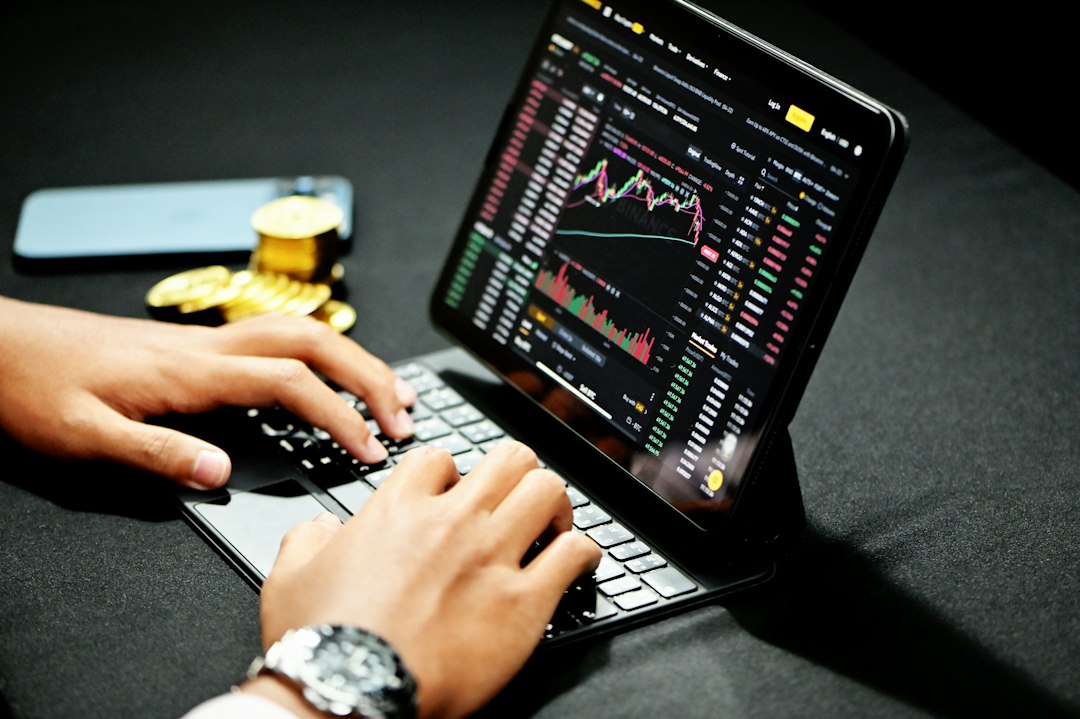
Did you know nearly 80% of market participants lose money during their first year, often because of impulsive emotional decisions? Many investors enter a dangerous cycle and try to recover losses immediately after a setback. This reaction, known as revenge day trading, reflects emotion rather than a calculated financial strategy. This guide offers a practical roadmap for investors in the United States who want to regain control.
We will explore warning signs and cooling-off steps that help protect your capital. You will learn to build mental discipline and use platform safeguards before one bad move damages your portfolio. Our goal is not to remove normal market losses, which are a natural part of the process. Instead, we focus on stopping the destructive chain of impulsive choices after a mistake. By mastering your psychology and improving risk controls, you can change your approach to revenge day trading and support long-term success.
Recognize What Revenge Day Trading Is and Why It Matters
Have you ever felt a sudden, strong urge to win back money after a loss? This common trap is called revenge day trading. It happens when traders abandon their strategy and chase losses to “get even” with the market.
Define revenge day trading and identify its emotional cycle
This behavior focuses on recovering money quickly instead of following a proven edge. The emotional cycle often starts with a loss that feels like a personal threat. This creates urgency, impulsive entries, larger positions, and more losses that deepen desperation.
Explain how losses trigger impulsive entries, oversized positions, and excessive trading
After losing money, your brain may shift from logical thinking to a reactive state. You may feel the market “owes” you a win, so you ignore your risk management rules. This shift can lead to several dangerous behaviors:
- Impulsive entries: Jumping into trades without a clear setup.
- Oversized positions: Increasing your stake to recover losses faster.
- Excessive trading: Over-trading to force a profitable outcome.
Compare revenge trading with disciplined trading
Understanding these two styles is vital for your growth. The following table shows how traders approach their daily sessions differently.
| Feature | Disciplined Trading | Revenge Trading |
|---|---|---|
| Loss Handling | Accepts as part of the process | Views as a personal failure |
| Decision Basis | Pre-planned strategy | Emotional impulse |
| Goal | Long-term consistency | Immediate recovery |
Show how revenge trading can compound financial and psychological damage
The effects of revenge trading psychology reach beyond your bank account. Financial losses are clear, but the emotional harm can be worse. Each time you break your rules, you weaken your self-trust and confidence.
Ignoring revenge trading vs. disciplined trading can lead to a downward spiral. Recognizing this pattern is the first step toward regaining control. When you accept that the market does not care about past losses, focus on your process instead of outcomes.
Spot the Warning Signs Before You Place Another Trade
Notice changes in your mood before making another trade. After a loss, your brain may enter a revenge trading mindset. This mindset clouds judgment and encourages impulse instead of logic.
Identify emotional signals such as anger, urgency, fear, and the need to prove yourself
You may feel heat or a racing heart after a bad trade. These signs show that emotion, not reason, is guiding your choices. Anger can make you want to “get even” with the market, while urgency makes recovery feel immediate.
Fear may make you avoid a good setup or act too aggressively to prevent more pain. The need to prove yourself is most dangerous because it shifts focus from strategy to ego.
Recognize behavioral signals, including abandoning a trading plan and increasing position size
A revenge trading mindset often shows through clear behavior changes. If you abandon your written trading plan or skip normal entry criteria, frustration may be driving you. Increasing your position size to “make it all back in one go” is a clear warning that risk control failed.
Use a pre-trade self-check to assess readiness and decision quality
Before placing an order, pause and ask whether you are truly ready. Ask yourself: “Would I take this trade if I hadn’t just lost money?” If not, step away immediately; a simple checklist can protect your account from unnecessary damage.
Questions to ask after a losing trade
- Does this trade meet all my written entry criteria?
- Is my position size within my normal risk parameters?
- Am I feeling calm, or am I trying to force a result?
Red flags that require an immediate trading pause
Some behaviors require an immediate trading pause. If you see these signs, close your platform and walk away to protect your capital.
| Warning Sign | Behavioral Impact | Recommended Action |
|---|---|---|
| Increased Position Size | Higher risk of ruin | Reset to base size |
| Skipping Stop-Losses | Uncontrolled losses | Stop trading today |
| Frequent Over-Trading | Emotional exhaustion | Take a long break |
| Ignoring Trading Rules | Loss of discipline | Review your plan |
Stop the Immediate Spiral After a Losing Trade
Implementing a rigid post-loss routine is one of the best strategies for revenge trading prevention. After a significant loss, your brain may enter fight-or-flight mode and cloud your judgment. Treat recovery as a mechanical process, not an emotional choice, to reduce the urge to chase losses.
Step 1: Close the trading platform and create physical distance from the market
When a trade hits your stop-loss, you must physically disconnect from your workstation. Closing the platform removes the temptation to click “buy” or “sell” again. Standing up and walking away from your desk helps release tension during a losing streak.
Step 2: Record the loss without attempting to win it back
Open your trading journal and record exactly what happened. Focus on the trade facts, not your frustration. This record acts as a circuit breaker, helping your analytical brain replace emotional impulses.
Step 3: Regulate your emotions with a brief reset routine
Use a simple activity that lowers your heart rate, such as deep breathing or getting water. Do not return to the screen until you feel completely neutral about the previous outcome. If urgency remains, you are not ready to trade.
Step 4: Wait through a mandatory cooling-off period
A cooling-off period is a mandatory rule for your survival. Do not place new orders during this time. This pause lets adrenaline fade, so your next decision uses logic instead of desperation.
Why a 15-minute, one-hour, or full-session pause may be appropriate
Your break should match the loss severity and your current mental state. A minor loss may need a 15-minute walk, while a larger loss or several errors requires a one-hour reset. If you still fixate on “getting even,” extend the break to protect your remaining capital.
When a losing day should automatically end
You should walk away for the rest of the day at specific times. If you broke your pre-set risk rules, reached your maximum daily loss limit, or feel physically exhausted, trading is no longer safe. Ending the session early is often the most profitable decision you can make.
| Loss Severity | Emotional State | Recommended Action |
|---|---|---|
| Minor (Within Plan) | Calm/Objective | 15-Minute Reset |
| Moderate (Rule Breach) | Frustrated | 1-Hour Cooling-Off |
| Major (Daily Limit) | Angry/Urgent | End Trading Session |
Set Hard Risk Controls That Block Revenge Trading
Firm risk limits are one of the best strategies for revenge trading prevention. Under pressure, your brain may ignore logic and follow emotional impulses. Set hard rules before the market opens, so losses do not force tough decisions.
These controls act as a mechanical circuit breaker for your account. They keep your financial exposure within a safe, predefined range, even when emotions spiral.
Step 5: Establish a maximum daily loss limit
A daily loss limit is the most effective way to protect your capital. When losses reach this dollar amount, stop trading for the day, no matter how you feel. This non-negotiable boundary keeps one bad session from wiping out your progress.
Step 6: Set a fixed risk percentage for every trade
Never risk more than a small, consistent percentage of your total account equity on one trade. Keeping risk per trade at 1% or less protects your account through a string of losses. This consistency helps with minimizing risk in revenge trading scenarios.
Step 7: Limit the number of trades and consecutive losses
Overtrading often signals an emotional state. Set a maximum number of trades allowed per session. After a specific number of consecutive losses, step away from the screen and reset your mindset.
- Daily Loss Limit: The absolute dollar amount that triggers a mandatory shutdown.
- Fixed Risk: A set percentage of your account equity per trade.
- Trade Cap: A limit on the total number of entries per day.
- Consecutive Loss Rule: A requirement to stop after a set number of losing trades in a row.
How to calculate position size from account equity and stop distance
Calculate your position size before entering each trade to maintain discipline. Use this simple formula: (Account Equity × Risk Percentage) / Dollar Risk per Share. It keeps your position size aligned with your risk tolerance, not your desire to “make it back” quickly.
Why moving a stop loss to avoid accepting a loss increases risk
Moving your stop loss farther away to avoid a small loss is dangerous. It can turn a controlled setback into a catastrophic financial event. Always accept the initial stop-loss hit as the cost of doing business; this is one of the best strategies for revenge trading avoidance.
Build a Trading Plan That Reduces Emotional Decisions

A solid trading plan protects you from emotional decisions and market chaos. Without a clear roadmap, you may make impulsive choices. Learning the importance of discipline in revenge day trading is the first step toward protecting your capital and mental well-being.
The key difference between revenge trading vs. disciplined trading is preparation. Disciplined traders follow a pre-tested process, while revenge traders may change strategies mid-session to recover losses. Writing down rules removes the need for quick decisions during trading.
Step 8: Define the exact market conditions and setups you are allowed to trade
Clearly define which market environments fit your strategy. For example, if you trade breakouts, seek only high-volume, trending markets. Avoid forced trades when the market is choppy or lacks clear direction.
Write entry, exit, stop-loss, and profit-taking rules before the session
Every trade needs a plan before you click the buy or sell button. Know exactly where your stop-loss will sit and where you will take profits. Written rules prevent you from moving stops farther away when a trade goes against you.
Create separate rules for normal trades and difficult market conditions
Market volatility changes, so your rules should adapt. You might reduce your position size or widen your stop-loss during high-volatility events. A specific “difficult market” protocol helps prevent panic when conditions shift.
Use a written pre-market and pre-trade checklist
A checklist is the final gatekeeper before you risk capital. Use this table to confirm your readiness to trade:
| Checklist Item | Action Required | Status |
|---|---|---|
| Market Trend | Confirm alignment with strategy | Verified |
| Risk Limit | Check daily loss threshold | Verified |
| Setup Quality | Confirm all entry criteria met | Verified |
Criteria for skipping a trade
Knowing when to stay out matters as much as knowing when to enter. Skip a trade if:
- The setup does not meet your exact criteria.
- You feel a sense of urgency or anger from a previous loss.
- The market volume is too low to support your strategy.
- You have already hit your daily loss limit.
How to make trading rules specific enough to follow under stress
When stress rises, your brain struggles with complex information. Keep your rules simple and objective. Use “if-then” statements, such as: “If the price breaks the 20-day moving average with high volume, then I will enter.” Clear rules leave no room for emotional choices under pressure.
Manage the Psychology Behind Revenge Day Trading
Understanding the hidden forces behind trading decisions can change your career. After a sudden financial loss, your brain may trigger survival mode and cloud your judgment. Learning revenge trading psychology helps you stop the cycle before it drains your account.
Understand loss aversion, overconfidence, and the need to recover immediately
Loss aversion makes losing money feel twice as painful as gaining money feels joyful. This bias can create sunk-cost thinking, which pushes you to keep trading until you break even. Overconfidence may also make you think you can force the market to repay you at once.
Separate your self-worth from your trading results
Many traders think a losing day means they failed. Your personal identity is separate from your P&L statement. When your ego is not tied to each chart move, you can leave when the market turns against you.
Replace a recovery mindset with a process mindset
Adopting a healthy revenge trading mindset means following your rules instead of watching your bank balance. A recovery mindset is risky because it values speed over quality. Focus on following your plan, whether each trade brings a profit or a loss.
Use mindfulness, breathing, and cognitive reframing during volatile sessions
When volatility spikes, your heart rate may rise as your body enters “fight or flight” mode. Use slow, deep breaths to calm your nervous system. Feel your feet on the floor to stay present and avoid impulsive, emotional entries.
Reframe a loss as information rather than a personal failure
Every trade gives you data about the current market. If your setup fails, treat it as valuable feedback, not proof that you lack skill. This shift turns pain into a lesson that strengthens your long-term edge.
Distinguish a valid strategy loss from a preventable execution mistake
Correctly classifying losses is vital for improving your performance. A valid strategy loss is the cost of trading in a market based on probabilities. A preventable execution mistake—such as moving your stop-loss or trading too large—is a behavior problem that needs a specific, disciplined correction.
| Feature | Recovery Mindset | Process Mindset |
|---|---|---|
| Primary Goal | Win back money | Follow the rules |
| View of Loss | Personal failure | Market information |
| Decision Speed | Impulsive/Fast | Calculated/Patient |
| Emotional State | Frustrated/Urgent | Calm/Objective |
Review Losing Trades and Bounce Back Without Chasing Losses
Learning how to bounce back from losing trades requires a calm mind and a structured approach. When you rush to review a loss while your heart rate stays high, self-criticism can replace objective learning. Step away first so your review stays useful and focused on growth.
Step 9: Analyze the trade only after your emotions have settled
Never attempt to dissect a trade while you still feel the sting of a financial loss. Emotional intensity clouds your judgment and hides the market’s true setup. Wait until you can study your charts with the detachment you would bring to a stranger’s trade.
Classify the result as a good loss, bad loss, missed opportunity, or rule violation
Categorizing trades helps you separate market noise from your behavior. Use the following table to organize results and gain clarity about your performance.
| Category | Definition | Action Required |
|---|---|---|
| Good Loss | Followed plan, market moved against you. | None, accept as cost of business. |
| Bad Loss | Poor execution or emotional entry. | Review risk management rules. |
| Missed Opportunity | Hesitation or fear prevented entry. | Analyze confidence levels. |
| Rule Violation | Ignored your trading plan entirely. | Strict review of discipline. |
Use screenshots, notes, and trade data to identify recurring mistakes
Visual evidence is more useful than memory alone. Capture screenshots of your entry and exit points to see the market at that time. Pair these images with notes to find habits that may hold you back.
Turn one lesson into one practical adjustment for the next session
Do not try to fix everything at once. Choose one specific change you can make, such as tightening your stop-loss or waiting for a confirmation signal. This small, practical step helps you learn how to bounce back from losing trades.
What to include in a post-trade journal
Your journal should record facts, not feelings. Include setup quality, entry timing, time since your previous trade, and your emotional state during execution. Consistent records help you track progress over time.
When reviewing a loss becomes unproductive rumination
Reviewing a loss becomes harmful when you replay it without gaining new insight. If you notice negative self-talk, stop the review immediately. A healthy review should end with a clear plan for your next session.
Use Your Broker and Trading Platform to Minimize Risk
Your trading platform does more than execute trades. It helps protect you from impulsive decisions and supports minimizing risk in revenge trading. Its safeguards can interrupt trading when emotion overrides logic.
Configure platform safeguards such as daily loss limits and order-size restrictions
Most modern brokers let you set firm account limits. Turn on a daily loss lock to stop trading after reaching a set threshold. Maximum order-size limits also prevent positions that exceed your risk plan.
Use alerts for price levels, losses, volatility, and scheduled economic events
Staying informed helps you stay in control. Set alerts for price levels, volatility, and scheduled economic events. Also, request an email or push alert when equity falls by a set percentage.
A critical reminder lets you pause and review your strategy before making another decision.
Understand how market orders, stop orders, slippage, and margin can affect risk
Market orders can be risky during high volatility because they do not guarantee a price. They may cause slippage, so use limit orders to control entry and exit prices. Margin increases potential gains and losses, turning a bad trade into a major financial setback.
Review broker account rules before trading with leverage
Every broker has rules for handling your capital. Read the details about margin interest and liquidation procedures. Knowing these rules supports minimizing risk in revenge trading.
U.S. pattern day trader requirements and potential margin restrictions
In the United States, the Pattern Day Trader (PDT) rule requires at least $25,000 in account equity. This applies to accounts making four or more day trades within five business days. If equity falls below $25,000, your broker may restrict new positions, so check your account to avoid margin calls.
FINRA, SEC, and broker disclosures to verify before opening or funding an account
Rules and broker policies often change. Visit the official websites of FINRA and the SEC regularly to learn your rights and account risks. Check every broker disclosure to understand how it manages your assets.
Security practices for mobile apps, desktop platforms, and web trading accounts
Protecting your account from unauthorized access matters as much as managing trades. Enable multi-factor authentication (MFA) on every trading device. Use strong, unique passwords, and avoid public Wi-Fi when accessing your brokerage account.
| Tool Type | Primary Benefit | Risk Mitigation Level |
|---|---|---|
| Daily Loss Limit | Prevents over-trading | High |
| Order Size Cap | Limits exposure | Medium |
| Price Alerts | Improves awareness | Medium |
| Limit Orders | Reduces slippage | High |
Practice Discipline With Simulated and Reduced-Size Trading

Returning to markets after a difficult period requires precision, not speed. If you need tips for successful revenge day trading, step back and reset your process. Slowing down keeps emotions from controlling your future results.
Step 10: Return to trading gradually after a revenge-trading episode
Treat your return as a controlled experiment, not a race to recover lost capital. Limit screen time at first to avoid fatigue. This gradual approach helps restore composure while keeping risk exposure low.
Use paper trading to test whether you can follow rules without financial pressure
Paper trading offers a safe way to test whether your strategy still works. It lets you focus on executing your plan without fearing real losses. Consistent rule-following in simulation shows you may be ready for live markets.
Reduce position size until consistent execution returns
When you return to live trading, use the smallest possible position size. This lowers the psychological weight of each trade and helps you stay objective. Your goal is not profit; it is proving you can follow rules under pressure.
Define performance measures based on rule-following rather than profits alone
Measure success by how closely you follow your trading plan. Track completed checklists, valid entry signals, and strict stop-loss compliance. Prioritizing process over profit helps you learn how to bounce back from losing trades.
How many disciplined sessions to complete before increasing size
No magic number exists, but aim for 10 to 20 consecutive sessions following every rule perfectly. If you break a rule, restart the count at zero. This evidence-based approach confirms you are ready before increasing financial exposure.
Why a simulator cannot fully reproduce real-money emotions
Simulators test mechanics well, but they lack the visceral intensity of real money. Your heart rate may stay lower in a simulator than in a live account. Stay humble because real-world discipline faces a tougher test than practice sessions.
Avoid the Most Common Revenge Trading Pitfalls
Identifying dangerous behaviors helps protect your capital from emotional decisions. When frustrated, your brain may push you toward actions that seem helpful but create serious mistakes. Understanding these revenge trading pitfalls to avoid helps you stay calm when markets move against you.
Do not double down, average down impulsively, or use excessive leverage
Many traders feel a strong urge to “fix” a loss by adding to a losing position. Doubling down or averaging down without a planned rule can create a much larger financial hole. Excessive leverage increases risk and can make recovery difficult without serious account damage.
Do not switch strategies in the middle of a losing session
When your main strategy fails, you may want to try a new, untested approach. This creates unnecessary uncertainty and makes objective performance reviews harder. Follow your established plan instead of chasing quick wins with methods you do not understand.
Do not trade illiquid markets or major news events to recover faster
Trading illiquid markets during high stress can cause serious problems. Wider spreads and unexpected slippage may reduce your remaining capital. Trading during major news events with impaired judgment can cause impulsive, high-stakes errors.
Do not let social media, chat rooms, or trading influencers intensify urgency
Social media and trading chat rooms can create false pressure. Influencers often show their wins, which may make you feel behind. Your trading journey is personal, and external validation should not control risk decisions.
Know when repeated emotional trading requires a longer break or professional support
If you repeatedly break your own rules, step back. Serious distress or an inability to stop trading after a loss signals a need for a longer break. Seek professional support if trading harms your mental well-being or financial stability.
Create a Daily Routine That Protects Your Capital
To avoid emotional trading, treat your trading day like a professional business operation. A structured plan keeps you focused and prevents impulsive choices that often cause losses. Use specific tips for successful revenge day trading to prevent revenge trading, control emotions, and protect your capital.
Step 11: Prepare before the market opens
Preparation supports a calm trading session. Before the market opens, review charts and find possible setups. Preparation removes the guesswork, so you can act with confidence instead of reacting to sudden price swings.
Define the session’s watchlist, risk limit, trade limit, and stopping point
Your plan should list the assets you will watch and the exact entry criteria. Set a maximum daily loss limit and never exceed it, whatever the market does. When you reach your trade or loss limit, walk away.
Monitor your physical and mental state during the trading session
Trading demands clear thinking and steady focus. Throughout the day, check your stress and physical tension. If your heart rate rises or your breathing becomes shallow, step back and reset.
Complete an end-of-day review and shut down the platform on schedule
When the session ends, record your trades and review your performance objectively. A consistent end-of-day review helps you learn from mistakes without emotional pressure. Afterward, close the trading platform completely to avoid after-hours trading.
Sleep, stress, caffeine, and other factors that can weaken discipline
Your physical state strongly affects your decisions. Poor sleep, high stress, and too much caffeine can increase impulsive behavior. Prioritize your well-being so you stay mentally sharp when the market opens.
How accountability partners or trading coaches can support consistency
Outside support can help you stay on track. An accountability partner or professional coach can help you follow your rules. They can help you use tips for successful revenge day trading to avoid revenge trading and take responsibility for your actions.
| Routine Phase | Primary Goal | Action Item |
|---|---|---|
| Pre-Market | Preparation | Define watchlist and risk limits |
| Intra-Day | Self-Regulation | Monitor stress and physical tension |
| Post-Market | Analysis | Review trades and close platform |
| Support | Accountability | Consult coach or partner |
Follow a Long-Term Plan for Consistent, Disciplined Trading
Building a sustainable career as a trader demands that you evaluate your performance over a much larger sample size. This shows the importance of discipline in revenge day trading. By shifting your focus to long-term metrics, you create a buffer against daily market highs and lows.
Step 12: Measure progress over a meaningful sample of trades
Do not judge your potential based on one winning or losing session. Instead, track your performance across at least fifty to one hundred trades to see your strategy’s true effectiveness. True growth comes from following rules, managing risk, and controlling emotions over time.
Your progress report should include more than your profit and loss statement. Monitor your setup quality and your ability to stop trading when you reach your daily limit. This data-driven approach helps reveal behavior patterns you might miss during the heat of the moment.
Update rules only after reviewing sufficient evidence
Avoid changing your strategy based on a temporary string of bad luck. Change your plan only after evidence shows that a specific rule no longer serves your goals. Patience is a virtue that separates successful traders from those who chase the next “magic” indicator.
Define conditions for returning to full-size trading
If you have recently struggled with emotional trading, you must earn your way back to full position sizes. Set clear, objective milestones that show your stable execution and commitment to your risk management plan. Increase your size only after following your rules consistently for a set period, such as two weeks of error-free trading.
Recognize when stopping day trading is the safest financial decision
Sometimes, the most professional move is to step away from the screens entirely. If your best efforts fail, prioritize your financial health over the desire to trade. Recognizing these revenge trading pitfalls to avoid is a sign of maturity and self-awareness.
Persistent emotional losses or high stress may make stopping day trading the safest financial decision. Protecting your capital is always the first priority. Remember that markets will be there tomorrow, but your financial stability depends on choices you make today.
Our Conclusion
Breaking the cycle of revenge trading begins when you recognize the urge to win back lost money. You regain control by closing your platform and stepping away before an impulsive order ruins your day.
Effective trading risk management depends on enforcing strict daily limits and following a written plan. Prioritizing your process over immediate recovery protects capital from frustration’s damage.
True emotional trading control grows through practice and regular performance reviews with a clear head. Use tools such as paper trading or smaller position sizes to rebuild confidence after a difficult session.
Disciplined trading is a long-term journey that rewards patience and self-awareness. Seek professional support if market volatility repeatedly triggers harmful habits. Staying calm and following your rules remains the best way to support longevity in the markets.
Our FAQs
What is the primary cause of revenge day trading?
The primary cause is an emotional response to loss. A “fight or flight” reaction can create a desperate attempt to recover funds immediately. This response replaces a logical plan.
What are the best strategies for revenge trading avoidance?
Set automated daily loss limits on your platform. Use a mandatory “cool-down” timer after losses. Keep a written trading plan that limits daily entries.
Can you give some tips for successful revenge day trading?
“Successful revenge trading” is a contradiction. Real success comes from avoiding revenge trading. Walk away from the screen or use simulation until your emotions stabilize.
Why is the importance of discipline in revenge day trading prevention so high?
Discipline acts as the “brakes” for your trading account. Without it, one emotional session can lead to “doubling down” and “averaging down.” These actions can cause a total loss of account capital.
What is the main difference between revenge trading vs. disciplined trading?
Disciplined trading focuses on process and accepts losses as a statistical necessity. Revenge trading focuses on results and treats loss as a personal insult needing an immediate “fix.”
What are some common revenge trading pitfalls to avoid?
Common pitfalls include increasing position size after a loss and trading major news without a plan. Switching strategies mid-session to “find something that works” is another pitfall.
How can I improve my revenge trading mindset?
Practice mindfulness and cognitive reframing. Treat every trade as an independent event, separate from the previous win or loss. This can reduce the urge to “get even.”
What role does revenge trading psychology play in a trader’s career?
Psychology guides execution. Many traders fail because revenge trading psychology causes them to abandon risk rules during stressful moments.
How to bounce back from losing trades without chasing?
Accept the loss as the “cost of doing business.” Close your platform, review the trade when calm, and return with a smaller position. This rebuilds confidence in your execution.
How does minimizing risk in revenge trading work mechanically?
Use “hard stops” that cannot move and max-drawdown locks with your broker. Never risk more than a small, fixed percentage, such as 1%, per trade.
Explore Our Exciting Related Products and Services