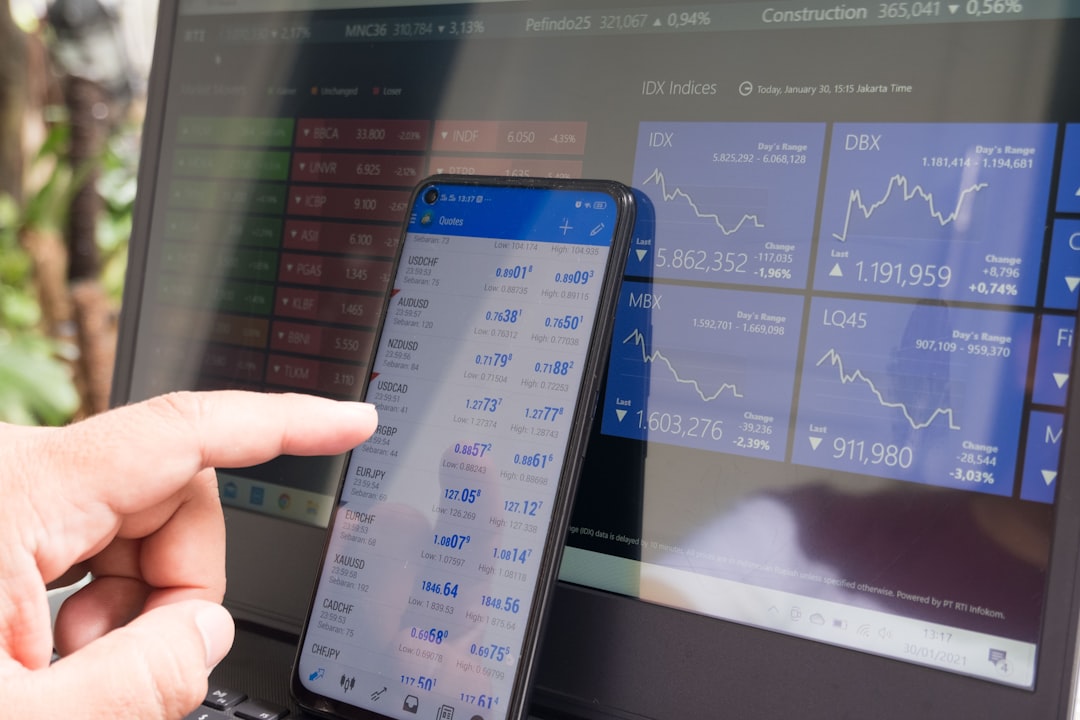
Nearly 90% of active market participants fail to achieve consistent profits within their first year. This sobering statistic shows why careful preparation is your most vital financial tool. Our day trading checklist for beginners offers a practical framework for navigating complex United States markets with confidence. This beginner trading guide builds a solid foundation instead of chasing quick wealth. You will learn to manage risk, choose reliable brokers, and use essential tools effectively.
We will explore thinkorswim, Fidelity Active Trader Pro, Webull, and Interactive Brokers, so you have the right technology at your fingertips. Think of this day trading for dummies manual as a guide to discipline and education. Through simulated practice and careful planning, you can build skills that help protect your capital. Remember, success in these markets requires patience, study, and realistic financial goals.
Why a Day Trading Checklist Matters Before You Trade
Many new traders enter the market without a map. A solid stock market checklist can separate success from failure. It creates a clear routine, replaces guesses with a professional approach, and helps you stay focused during volatility.
What Day Trading Involves in the United States
Day trading means opening and closing positions during one session to profit from short-term price moves. In the United States, traders may use stocks, ETFs, options, and futures. This fast-paced work demands constant attention to market data and liquidity.
What Beginners Will Learn From This Checklist
Mastering day trading basics requires more than watching charts. This checklist helps you assess account readiness, market conditions, and your emotional state. You will learn to verify your risk limits before placing an order.
| Feature | Impulsive Trading | Checklist-Driven Trading |
|---|---|---|
| Decision Basis | Gut feeling or news | Defined strategy |
| Risk Management | None or reactive | Pre-calculated limits |
| Emotional State | High stress/fear | Calm and objective |
| Outcome Focus | Chasing quick profits | Process improvement |
Why Preparation, Risk Control, and Discipline Matter More Than Predictions
Successful traders know they cannot predict the future. Instead, they rely on preparation and risk control for long-term survival. Discipline helps you follow your rules when the market moves against your expectations.
How a checklist reduces emotional and impulsive decisions
A written list helps block impulsive behavior and revenge trading. Answering specific questions before trading interrupts emotional decision-making. This simple step keeps you grounded in your original plan.
Why the checklist should support education rather than promise profits
These day trading tips build a strong educational foundation. No checklist guarantees profits or replaces professional financial, legal, or tax advice. Always remember that individual results depend on your personal finances, risk tolerance, and dedication to learning the day trading basics.
Day Trading Checklist for Beginners: Define Your Plan and Readiness
If you want to learn how to start day trading, define your personal roadmap first. This day trading checklist for beginners guides you through complex financial markets. A clear structure replaces guesswork with professional methods.
Set realistic goals for income, learning, and performance
Many new traders focus only on profits. Instead, prioritize learning goals during your first few months. Treat this period as training, where steady progress matters more than account size.
Separate performance measures from income expectations. A realistic goal may involve following your strategy without emotional choices, not reaching a set dollar amount. Consistent execution supports long-term success.
Confirm that day trading fits your finances, schedule, and risk tolerance
Before risking your money, review your current life situation. Day trading requires time for market analysis and active monitoring. A packed schedule may make it hard to stay focused.
Make sure your risk tolerance matches market volatility. Never trade money you cannot afford to lose. This beginner trading guide puts your financial stability first.
Write a trading plan before opening a position
A written plan guides you during stressful moments. Without one, impulsive choices become more likely. Refine your plan as you gain experience.
Choose markets, instruments, trading hours, and preferred setups
Choose assets such as stocks, futures, or options. Identify day trading strategies that match your personality. Set trading hours when market liquidity is highest.
Define entry, stop-loss, profit-target, and exit rules
Your plan must state when to enter and exit a trade. Strict rules help you avoid holding losses too long or selling winners early. Use the table below to organize your main requirements:
| Component | Description | Action |
|---|---|---|
| Entry | Trigger conditions | Wait for confirmation |
| Stop-Loss | Maximum risk | Place immediately |
| Profit Target | Exit objective | Scale out or exit |
Complete a pre-trading self-assessment
Honesty matters when you assess your readiness. Even when seeking day trading for dummies advice, remember that trading psychology is complex. Prepare to face your own behavior patterns.
Check available capital, emergency savings, debt, and financial dependents
Keep a strong financial cushion outside your trading account. Save at least six months of living expenses in an emergency fund. Never trade with high-interest debt or money your dependents need for basic costs.
Identify emotional triggers that could lead to revenge trading or overtrading
Notice emotional fatigue before it affects your account. Fear of missing out (FOMO) and the urge to recover losses can cause poor decisions. Spotting these triggers early lets you leave the screen and protect your capital.
Prepare Your Brokerage Account, Platform, and Trading Workspace
A reliable brokerage account supports every successful day trading setup. Research each broker’s tools, speed, and reliability before choosing one. These day trading essentials help you place orders when markets move fast.
Compare regulated U.S. brokers for day trading
Charles Schwab and thinkorswim: brokerage background, website, platforms, tools, and support
Charles Schwab supports active traders through its acquisition of the thinkorswim platform. It offers advanced charts, deep analysis, and a customizable interface. It also provides educational resources and customer support for all traders.
Fidelity: brokerage services, Active Trader Pro, mobile app, fees, and customer service
Fidelity offers a full trading experience through its Active Trader Pro software. It provides real-time data, advanced order types, speed, and precision. Its mobile app keeps you connected away from your main desk.
Webull: web, desktop, and mobile platforms, paper trading, pricing, and limitations
Webull attracts newer traders with its clear interface and accessible mobile experience. Its paper-trading feature lets you practice strategies without risking real capital. However, it has limits on advanced order routing versus professional platforms.
Interactive Brokers: Trader Workstation, global access, margin features, and suitability for active traders
Interactive Brokers suits traders who need global markets and advanced margin features. Its Trader Workstation (TWS) supports professional, high-frequency execution. Experienced traders often choose it for customization and low-latency data.
Verify account types, minimums, and current pricing
Individual taxable brokerage accounts, margin accounts, and cash accounts
Before funding your account, choose the structure that fits your goals. Cash accounts require settled funds, while margin accounts offer leverage with greater risk. Confirm the requirements for your account type with the broker.
Commissions, spreads, market-data fees, margin interest, software fees, and other charges
Hidden costs can quickly reduce your trading profits. Review fees for commissions, data subscriptions, and margin interest. Some platforms charge for premium software, so check whether these costs fit your budget.
Minimum deposits, account approval requirements, paper-trading access, and free-plan availability
Each broker has different minimum deposits and account approval requirements. Check whether it offers free paper trading before you commit funds. This step supports your day trading setup.
Check customer support and business information
Official website, headquarters or business location, telephone support, email, chat, and service hours
Reliable support is a key part of your day trading essentials. Confirm that your broker offers live chat, email, and phone support. Knowing its service hours helps you plan your trading day.
Mobile applications, desktop software, browser-based platforms, and accessibility
Choose a broker with platforms that fit your daily needs. A desktop terminal or mobile app can help you manage positions. Check current terms and pricing on the official broker website before opening an account.
| Broker | Primary Platform | Best For | Support Channels |
|---|---|---|---|
| Charles Schwab | thinkorswim | Advanced Analysis | Phone, Chat, Email |
| Fidelity | Active Trader Pro | Research & Execution | Phone, Chat, In-person |
| Webull | Webull Desktop/App | Beginners | Email, Chat |
| Interactive Brokers | Trader Workstation | Professional Traders | Phone, Ticket, Chat |
Complete the Regulatory, Security, and Account-Safety Checks

Protecting your capital starts with understanding the rules that govern U.S. markets. A strong beginner trading guide must cover legal and safety rules, not only technical analysis. Learning these day trading basics helps you stay compliant and protect your hard-earned money.
Understand the pattern day trader rule and current U.S. requirements
How FINRA’s pattern day trader framework applies to margin accounts
In the United States, FINRA requires margin-account traders to keep at least $25,000 in equity. This rule applies after four or more day trades within five business days. If equity drops below $25,000, new positions may be restricted, so monitor it closely.
How cash-account settlement rules can affect buying power and trade frequency
Cash accounts work differently because they do not use borrowed funds. You must usually wait one business day for trades to settle before using those proceeds again. Using unsettled funds can cause good faith violations and temporary trading restrictions.
Why traders should verify current SEC, FINRA, and broker requirements
Regulations can change because of market conditions or new laws. Check the SEC and FINRA websites regularly for updates. Individual brokers may also set stricter rules than the regulatory minimum.
Check broker regulation and investor protections
FINRA membership, SEC registration, SIPC protection, and what each does not cover
Confirm that your broker is registered with the SEC and belongs to FINRA. SIPC protection covers assets if a brokerage firm fails, but it does not cover losses from poor decisions. SIPC does not cover market volatility or falling security values.
How to use BrokerCheck and official regulatory records
Use FINRA BrokerCheck to review a firm’s or broker’s background and disciplinary history. This free tool shows past regulatory actions. Reviewing these records helps you choose trustworthy financial partners.
Secure the account and trading devices
Use strong passwords, multifactor authentication, biometrics, and trusted networks
Digital security matters as much as your trading strategy. Enable multifactor authentication (MFA) on your brokerage account for added protection. Avoid public Wi-Fi because it can expose your login details to attackers.
Review login alerts, withdrawal controls, privacy policies, and data-sharing practices
Set alerts for every login attempt and withdrawal request. Many platforms offer withdrawal controls that block transfers to unauthorized bank accounts. Review your broker’s privacy policy to learn how it handles personal data.
Read the important terms and conditions
Margin agreements, options disclosures, order-routing policies, and account restrictions
Before signing, read the details about margin interest and order routing. Some brokers send orders to venues that can affect execution speed or price. Understanding these policies helps you avoid hidden costs and limits.
Understand liquidation rights, borrowing costs, trading halts, and platform outages
Brokers may liquidate your positions if you fail to meet margin calls. Learn how your broker handles outages and sudden trading halts during volatile events. A backup plan shows that you are a prepared trader.
| Feature | Margin Account | Cash Account |
|---|---|---|
| Minimum Equity | $25,000 for PDT | No minimum |
| Settlement Time | Instant (with margin) | T+1 business day |
| Borrowing Power | Available | Not available |
| Risk Level | Higher | Lower |
Build a Practical Day Trading Setup and Pre-Market Routine
Your trading space supports every decision during the market day. A professional day trading setup helps you react quickly to price changes without technical problems. An organized space gives you the clarity to follow your strategy with confidence.
Prepare the hardware and internet connection
Use a reliable computer, stable internet, backup connection, and charged mobile device
Reliable equipment supports your technical setup. Use a computer with enough power to run several data-heavy applications at once. Keep a stable, high-speed internet connection so orders reach the exchange without delay.
Keep a backup internet source, such as a mobile hotspot, ready if your provider fails. Keep your mobile device fully charged and logged into your brokerage app. If your main system goes offline, use it to close positions.
Choose one or two monitors without creating unnecessary complexity
Many beginners think they need a wall of screens to succeed. One or two high-resolution monitors are often enough for your day trading essentials. Too many screens can overload you and divide your focus during critical moments.
Configure the essential trading tools
Price charts, watchlists, scanners, economic calendars, news feeds, and alerts
Your software should provide a clear market view. Use customizable price charts to track trends and set alerts for specific price levels. News feeds and economic calendars help you track events that may cause sudden volatility.
Level 2 data, time and sales, volume indicators, and options-chain tools
Real-time market depth helps you understand order flow. Level 2 data and time and sales windows show buying and selling pressure behind price moves. Volume indicators confirm trend strength, while options-chain tools show market sentiment.
Trading journals, spreadsheets, screen-recording tools, and risk calculators
A complete stock market checklist includes tools for self-improvement. Use a digital journal or spreadsheet to record each trade, your emotions, and execution quality. Screen recordings support reviews, while risk calculators help you stay within your loss limits.
Prepare a focused watchlist before the opening bell
Look for liquidity, volume, volatility, catalysts, and manageable spreads
Before the market opens, filter thousands of stocks to find strong candidates. Focus on assets with high liquidity and volume, so you can enter and exit easily. Look for catalysts, such as earnings reports or breaking news, that create profitable opportunities.
Review earnings, Federal Reserve events, economic reports, news, and premarket movers
Check morning news for major economic releases or Federal Reserve announcements. These events often guide the broader market direction. Identify premarket movers with unusual activity, since they often offer reliable setups.
Follow a repeatable pre-market routine
Mark support, resistance, premarket highs and lows, gaps, and likely invalidation levels
Consistency is one of the most important day trading tips you can follow. Mark support, resistance, premarket highs and lows, gaps, and likely invalidation levels on your charts. These levels help define your risk before you place an order.
Write a primary setup, alternative scenario, and no-trade condition for each candidate
For every stock, define exactly what you want to see. Write your primary entry plan, an alternative scenario, and clear no-trade conditions. This discipline prevents trades that do not fit your criteria.
Confirm the market environment before selecting a day trading strategy
Assess overall market sentiment by reviewing major index futures. A strong stock market checklist requires you to match your strategy with the current market environment. These day trading tips turn trading from guesswork into a structured, professional process.
Apply a Trade-Entry Checklist to Every Setup
A professional day trading checklist for beginners protects you from impulsive market decisions. Write a clear plan before placing an order. This turns trading from chance into a disciplined business process.
Identify the specific day trading strategy
Breakout, pullback, trend-following, range, reversal, and momentum setups
You must place each trade in one of the recognized day trading strategies. Name the setup, such as a breakout above resistance or a pullback to a moving average. Momentum and reversal trades need different mindsets, so identify your category before trading.
Match the strategy to volatility, liquidity, trend direction, and time of day
Not every strategy works in every market condition. Match your approach to current liquidity and the broader trend direction. Range strategies often work best during low volatility, while momentum setups thrive when volume is high.
| Strategy Type | Best Market Condition | Key Indicator |
|---|---|---|
| Breakout | High Volatility | Volume Spike |
| Pullback | Established Trend | Support/Resistance |
| Reversal | Exhaustion | Divergence |
Confirm the trade thesis before placing an order
State what is happening, why the setup may work, and what would prove it wrong
Before clicking buy or sell, write down your thesis. State the catalyst and the price action supporting your entry. Define the exact condition that would invalidate your thesis and force an immediate exit.
Check price action, volume, catalyst, broader market direction, and correlation risks
Make sure your individual stock follows the broader market direction. If the S&P 500 is crashing, a long setup carries significant correlation risk. Confirm that volume supports price action, or you could enter a false move.
Choose the correct order type
Market, limit, stop, stop-limit, bracket, and trailing-stop orders
Selecting the right order type is vital for execution. Use limit orders to control your entry price, or bracket orders to automate stop-loss and profit targets together. Avoid market orders in fast-moving markets; they can fill at an unfavorable price.
Understand slippage, partial fills, rejected orders, and fast-market execution
Be aware that slippage can occur during extreme volatility. You might receive partial fills or rejected orders when the market moves too quickly. Include these technical risks when planning your entry.
Require a favorable risk-to-reward opportunity
Estimate realistic upside and downside using the entry, stop, and target
Each trade needs a clear mathematical advantage. Before risking capital, calculate potential profit against potential loss. If upside does not clearly outweigh downside, reject the trade.
Reject trades that depend on perfect execution or an unreasonably narrow stop
Avoid setups that require perfect execution for profit. An unreasonably narrow stop may trigger during normal market noise. Choose trades that give your thesis enough room to work.
Control Position Size, Losses, and Leverage
Managing risk is the foundation of all professional day trading essentials. Without a strict plan to protect your capital, even strong strategies can cause major financial setbacks. Learning these day trading basics helps you stay active long enough to seek success.
Set a maximum risk per trade
Use a fixed dollar amount or percentage of account equity
Before entering, decide exactly how much you can lose on one trade. Many traders choose a fixed percentage, such as 1% of total account equity, to keep risk steady. This approach stops one bad trade from wiping out your progress.
Include commissions, spreads, slippage, and fees in the risk estimate
Your true risk includes more than the stock’s price movement. Account for commissions, the bid-ask spread, and possible slippage during fast-moving markets. Ignoring these hidden costs often makes you lose more than planned.
Calculate position size before entering
Use the formula: position size equals maximum dollar risk divided by entry-to-stop distance
Use a simple formula to decide how many shares to buy. Divide your maximum dollar risk by the distance between your entry price and stop-loss price. This gives the share count that keeps risk within your predefined limits.
Adjust share size for volatile stocks, options, leveraged ETFs, and overnight news risk
Assets do not all carry the same danger. You should reduce your position size when trading highly volatile stocks, options, or leveraged ETFs. These instruments can move against you much faster than standard equities, especially when reacting to unexpected overnight news.
Set daily and weekly loss limits
Stop trading after reaching the planned drawdown limit
Even disciplined traders have bad days. Set a firm limit for losses in one day or week. Once you reach it, close your platform and walk away to avoid emotional decisions.
Use a cooling-off period after consecutive losses or emotional decisions
If you feel frustrated or impulsive, take a required break. A cooling-off period helps reset your mindset before you return to the market. Protecting your mental state matters as much as protecting your account balance.
Understand leverage and margin risks
Review buying power, margin calls, forced liquidation, and interest charges
Leverage lets you trade with more capital than you have in your account, but it carries serious risks. Learn how margin calls work and how falling account value can cause forced liquidation. Always watch interest charges for money borrowed from your broker.
Explain why leverage can magnify losses beyond a beginner’s expectations
While leverage can increase your potential gains, it also magnifies your losses significantly. A small move against your position can cause a loss beyond your initial investment. Beginners often underestimate this danger, so use leverage with extreme caution.
Manage the Position From Entry to Exit

Once your order fills, shift your focus to active trade management. These day trading tips can help you stay disciplined while navigating the markets.
Place the stop-loss and profit target immediately when appropriate
Base exits on market structure and trade invalidation rather than fear
Set your exit points using your trade’s technical logic. If market structure breaks, your original thesis is likely invalid, so exit without hesitation.
Never widen a stop simply to avoid taking a planned loss
Widening a stop to avoid a loss is dangerous and increases your risk exposure. Stick to your original plan so your risk-to-reward ratio stays intact.
Monitor the position without micromanaging it
Track price, volume, news, spreads, and the original trade thesis
Watch price, volume, news, spreads, and your original trade thesis. Adjust when these factors change, but do not react to every minor price tick.
Distinguish a normal pullback from a failed setup
Market noise is common, and small pullbacks often occur during trends. Learn to separate healthy consolidation from a true reversal and avoid unnecessary exits.
Follow a defined exit plan
Scale out, trail stops, or exit at a target only when the strategy permits it
Use a systematic approach to take profits. Scale out, trail your stop, or exit at a target only when your strategy permits.
Close positions before the end of the session when the plan requires no overnight exposure
Day traders should avoid risks linked to holding positions overnight. Close trades before the market closes when your plan requires no overnight exposure. This maintains your risk management standards.
Handle unexpected events safely
Respond to trading halts, platform outages, internet failures, and extreme volatility
Technical issues can happen at any time. If your internet fails or your platform goes down, stay calm, use your mobile backup, or contact your broker immediately.
Know how to contact the broker’s trade desk and document any execution problem
Keep your broker’s phone number handy for emergencies. If an execution error occurs, record its time, price, and details. This can help resolve the issue quickly and improve future day trading tips.
Use a Post-Trade Journal to Improve Your Process
Many beginners miss that the most important part of a stock market checklist happens after the market closes. Trading feels exciting, but real growth comes from reviewing your performance with care. A detailed journal turns raw data into useful lessons.
Record the facts of every trade
Symbol, date, time, direction, entry, exit, position size, strategy, and fees
Consistency starts with clear records. Write down the symbol, date, and exact entry and exit times. Include position size, strategy, and fees to find your true net profit.
Screenshot the chart before and after the trade
Visual evidence is invaluable for learning. Capture the chart setup before entering and again after exiting. These images show the market context and your decision process.
Evaluate execution separately from the outcome
Compare the actual fill, slippage, and exit with the original plan
A trade may succeed even with a loss if you followed your plan. Compare the actual fill price and slippage with your original strategy. This shows whether your execution was precise.
Identify whether the trade was profitable because of skill or favorable randomness
It is easy to mistake luck for talent. Ask whether profit came from a repeatable stock market checklist process or a lucky market bounce. This difference matters for long-term survival.
Track meaningful performance metrics
Win rate, average win, average loss, expectancy, drawdown, and profit factor
Numbers show your trading health. Track your win rate, average win, and average loss to calculate expectancy. Watch drawdown and profit factor to help keep your account stable.
Results by setup, market, time of day, and emotional state
Review results by setup and market conditions. Also record your emotional state, because frustration or overconfidence can lead to poor decisions.
Review the journal on a fixed schedule
Find repeated mistakes such as chasing, overtrading, early exits, and oversized positions
Set aside time each week to review your entries. Look for chasing stocks, overtrading, early exits, and oversized positions. Finding these habits early can stop them from becoming permanent.
Change one variable at a time and retest the strategy before increasing size
When you find a flaw, change only one variable at a time. Retest your updated stock market checklist in a controlled setting. Increase your position size only after testing.
Practice Safely Before Trading Real Money
Learning how to start day trading effectively begins before you place your first real-money order. Using a simulated environment helps build muscle memory without immediate financial pressure.
Use paper trading to learn the platform and order mechanics
Practice entries, exits, bracket orders, alerts, chart layouts, and trade cancellation
Your first goal is to feel completely comfortable with your broker’s software. Practice market, limit, and stop orders until each type feels natural.
- Set up custom chart layouts for quick analysis.
- Test bracket orders to automate your profit targets and stop-losses.
- Configure price alerts to stay informed without staring at the screen.
- Practice canceling or modifying orders during fast-moving market sessions.
Account for the difference between simulated fills and live-market execution
Paper trading does not perfectly match live markets. Simulated platforms may give “perfect” fills and ignore slippage, liquidity gaps, or partial fills.
You will not feel the emotional intensity of live trading in a simulation. Treat paper trades with the same discipline as trades using your own money.
Backtest and forward-test one strategy at a time
Use historical data without curve-fitting rules to past results
When exploring various day trading strategies, focus on one approach at a time. Do not “curve-fit” rules until they look perfect on past data but fail later.
Test the setup across different market conditions and sample sizes
A robust strategy should work in many market conditions, including high and low volatility. Test it with a large sample to show your results are significant, not lucky.
Start with the smallest practical position
Increase size only after consistent rule-following and acceptable drawdown
When you open a live account, start with the smallest possible position size. First, prove that you can follow your rules during an acceptable drawdown.
Keep a written scale-up rule and return to simulation after major errors
Create a clear, written plan for increasing your position size. If you make significant emotional mistakes or break your rules, return to the simulation environment. This step helps anyone learning how to start day trading protect long-term capital.
Recognize the Advantages, Limitations, and Best Use Cases of Day Trading
Before you decide how to start day trading, weigh its benefits and risks. Day trading does not guarantee wealth; it demands preparation and emotional control.
Potential advantages of day trading
No planned overnight exposure, frequent feedback, flexible market selection, and measurable routines
You can close all positions before the market closes. This removes the risk of gapping overnight after unexpected news. Fast feedback helps you adjust your daily routine.
Access to stocks, exchange-traded funds, options, futures, and other instruments with different risks
Traders can choose from many assets to match their goals. Each instrument has a different risk profile, so understand its mechanics before trading.
Major limitations and disadvantages
High failure risk, emotional pressure, transaction costs, slippage, and time commitment
Most beginners face a high risk of failure. Emotional pressure, transaction costs, and slippage can quickly reduce your account balance.
Leverage, volatility, tax complexity, and the possibility of losing substantial capital
Leverage can increase gains, but it can also quickly reduce your capital. Volatility has both risks and benefits, so manage it with discipline.
| Instrument | Primary Risk | Capital Requirement | Complexity Level |
|---|---|---|---|
| Stocks | Market Volatility | Moderate | Low |
| Options | Time Decay | Low to High | High |
| Futures | High Leverage | Moderate | Very High |
Who day trading may suit
Adults with risk capital, time for preparation, patience, and willingness to follow strict rules
Day trading suits people with dedicated risk capital they can afford to lose. It requires daily preparation and patience for high-probability setups.
Traders who can treat the activity as a demanding skill rather than guaranteed income
Successful traders view day trading as a professional skill. They focus on execution instead of immediate financial results.
Who should reconsider or delay day trading
People using emergency funds, borrowed money, retirement savings, or money needed for bills
Never trade money needed for daily life. Borrowed funds or retirement savings create unnecessary emotional stress and often cause poor decisions.
Anyone unwilling to accept losses, maintain records, or stop after reaching a daily limit
If you cannot accept losses as part of the business, you are not ready to trade. Discipline matters most when learning how to start day trading.
Review tax and record-keeping obligations
Track realized gains and losses, wash-sale considerations, and potential trader-tax issues
Accurate records are a legal and financial necessity. Track every trade to understand your tax liability, especially under wash-sale rules.
Consult a qualified U.S. tax professional for personal circumstances
U.S. tax laws are complex and can change. Consult a qualified tax professional to meet all reporting requirements.
Our Conclusion
Market success takes more than quick reactions to price changes. A day trading checklist for beginners turns preparation, risk control, and daily tasks into a repeatable process.
You reviewed financial readiness, broker verification, and secure account setups. Disciplined entry rules, proper position sizing, and regular journaling build a foundation for long-term growth, not short-term luck.
This day trading checklist for beginners is an educational tool for better decisions. It does not promise profits or replace professional financial advice. Always verify current U.S. regulatory requirements, tax obligations, and broker pricing before you commit capital.
Treat trading as a professional business. Control your emotions, record your results, and improve your strategy through careful practice. Your commitment to discipline remains your greatest asset in the competitive world of active trading.
Our FAQs
Why is a day trading checklist for beginners so important before I start?
A day trading checklist for beginners acts as your professional safety net. In the fast-paced stock market, fear and greed can cloud judgment. A stock market checklist keeps trades logical and data-based, not based on a “gut feeling.” Major platforms like Interactive Brokers and Charles Schwab provide tools, but a checklist builds discipline to protect your capital.
What are the most effective day trading strategies for someone just starting out?
Most day trading strategies use technical analysis and price action. Common approaches include momentum trading, which follows a stock’s trend, and mean reversion, which expects prices to return to average. For a solid beginner trading guide, experts suggest “Gap and Go” or “Support and Resistance” levels in TradingView.
What are the day trading basics I need to understand regarding U.S. regulations?
One key day trading basics in the United States is the Pattern Day Trader (PDT) rule established by FINRA. The rule requires margin-account traders to maintain minimum equity of $25,000 after four or more day trades within five business days. Understanding these day trading essentials helps prevent restrictions from brokers like Fidelity or TD Ameritrade.
How do I build a professional day trading setup at home?
A proper day trading setup does not need a NASA-level command center, but it must be reliable. At minimum, you need high-speed, hardwired internet, a fast computer for real-time data, and ideally, two monitors. A professional platform like Thinkorswim or TradeStation can provide Level 2 market data and hotkeys for rapid execution.
What are your top day trading tips for managing risk?
The most important day trading tips focus on protecting your capital. Never risk more than 1% to 2% of your total account balance on one trade. Define your “stop-loss” and “take-profit” levels before entering the market. At SMB Capital, successful traders say losses are part of trading, so keep them small enough for winners to cover them.
Is “day trading for dummies” actually a realistic way to approach the market?
Although day trading for dummies is a popular search term, the market remains highly competitive. Success requires education and practice; focus on one setup at a time, but never treat trading as “easy money.” Treat it like a business from day one by keeping a post-trade journal on platforms like TraderSync or Edgewonk.
How to start day trading without risking real money immediately?
If you wonder how to start day trading safely, use paper trading. Reputable brokers like Webull or E*TRADE offer simulators for trading with “fake” money in real-time market conditions. This helps you test your day trading strategies and learn the software before risking your hard-earned savings.
What are the tax implications of day trading in the United States?
In the U.S., day trading generally faces short-term capital gains tax rates, matching ordinary income tax brackets. Use GreenTraderTax or accounting software to check Trader Tax Status (TTS) and the Wash Sale Rule under IRS guidelines. Keeping meticulous records is among the most overlooked day trading essentials.
Explore Our Exciting Related Products and Services