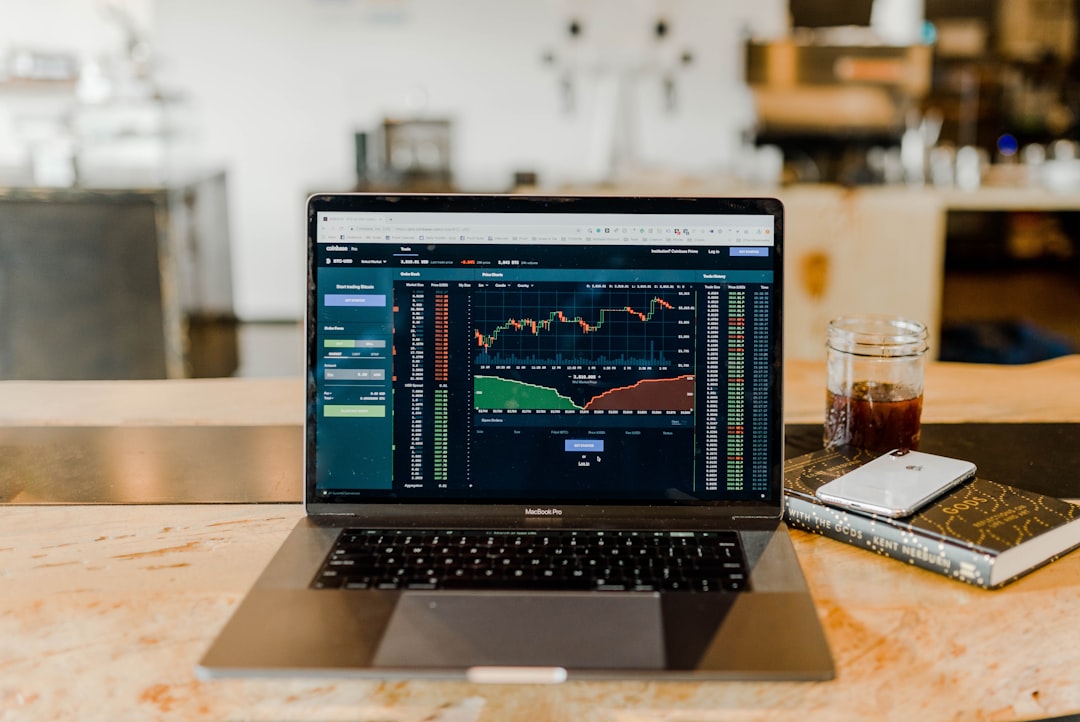
Only about 4% of professional market participants make a living from their market activity. This sobering statistic reveals the harsh reality of financial markets. Many beginners chase quick gains and overlook what they need for long-term success. The secret to survival is simple, yet difficult to master. Successful Day Traders Focus on Risk Before Profit because capital preservation supports every sustainable career.
By managing losses before chasing returns, you stay in the game and develop real skill. This guide gives U.S. investors a practical roadmap for building repeatable habits. Day Traders Focus on Risk Before Profit by sizing positions, preparing for market volatility, and maintaining the discipline to thrive. Protecting your account does not mean avoiding opportunity; it creates a safety net for capturing it consistently.
Why Day Traders Focus on Risk Before Profit
Beginners often focus on profit, but seasoned traders focus on possible losses. This change in perspective supports long-term success. Protecting your account helps you stay in the market long enough to see real results.
What a risk-first approach means in day trading
A risk-first approach means setting boundaries before clicking buy or sell. Decide your maximum loss, total market exposure, and specific invalidation points. These rules act as your safety net.
Day traders usually close positions before market close, but intraday danger remains. Avoiding overnight risk does not remove danger during trading hours. Set these limits early to reduce guesswork in each decision.
Why protecting trading capital matters more than chasing a large win
Chasing a huge gain after successful trades can lead to disaster. When you prioritize strong profit potential in day trading over protecting capital, you face unnecessary volatility. Protecting your account ensures you have resources to trade another day.
Capital preservation matters for these reasons:
- It prevents emotional burnout during market swings.
- It keeps your account size stable for future opportunities.
- It allows you to follow your strategy without the pressure of needing a “big win.”
What readers will learn about risk management, discipline, and consistency
This guide shows you how to build a strong framework for your daily routine. We will turn abstract ideas like discipline into repeatable habits. True consistency comes from following a plan, not predicting the next market move.
These skills give you a realistic view of your profit potential in day trading. You will see losses as a business cost, not a personal failure. This mindset is what separates professional traders from those who struggle to find their footing.
Understand the Risks That Can Overwhelm Day Trading Profit Potential
Success in financial markets requires a clear view of hidden risks. Effective risk management for day traders explains how small mistakes can cause major account drawdowns.
How leverage, margin, and market volatility magnify losses
Leverage lets you control larger positions with less capital, but it can magnify losses. With margin, a small move against you can cause losses above your initial investment.
Market volatility makes this risk harder to manage. During high uncertainty, sharp price swings can trigger stop-loss orders sooner than expected.
Why a high win rate does not guarantee profitability
Many beginners think winning more trades than they lose guarantees success. A famous Taiwan study found that about 15% of traders earned abnormal returns after fees in an average year. Even more sobering, fewer than 1% showed reliable positive returns the following year.
This data shows that consistent profitability depends on win size versus loss size, not success frequency. Proper risk management for day traders focuses on expectancy math, not the ego-driven need to win every trade.
Recognize gap risk, slippage, liquidity risk, and execution delays
Market conditions are rarely perfect when needed. Gap risk occurs when a stock opens far above or below its previous close, often bypassing your stop-loss order.
Slippage and low liquidity can prevent you from exiting at your desired price. When volume dries up, closing a position may require accepting a much worse price than shown on your screen.
Understand the emotional risks of fear, greed, revenge trading, and overconfidence
Your biggest market enemy is often your own psychology. Fear can make you exit a winning trade too early, while greed can keep you in a losing position too long.
Revenge trading—the act of trying to win back losses immediately—is a common trap that causes reckless decisions. Overconfidence after several wins can lead to larger positions, leaving your account vulnerable to one bad day.
Review U.S. regulatory considerations, including margin requirements and pattern day trading rules
Operating in the U.S. financial system requires following strict rules that protect investors. Pattern Day Trading (PDT) rules apply to traders with margin accounts. A $25,000 minimum equity is required to make more than three day trades during a rolling five-day period.
These regulations are mandatory and affect your ability to trade. Strong risk management for day traders means staying compliant to avoid account restrictions.
Check current SEC, FINRA, and broker requirements before trading
Regulations and broker policies change often. Before funding an account or placing a trade, verify the latest guidelines from the SEC and FINRA.
Your broker may set margin requirements stricter than federal mandates. Always consult official sources to keep your trading plan aligned with current legal and institutional standards.
Build a Risk-First Trading Plan Before the Market Opens

Market success starts before the opening bell. A professional plan maps out your day trading strategies before you place an order. Preparation reduces split-second decisions under pressure.
Step 1: Define the maximum amount to risk on each trade
Use a conservative percentage of account equity instead of an arbitrary dollar amount
Never risk a fixed dollar amount that ignores your account balance. Instead, risk a small percentage of your total equity, such as 0.5% or 1%. This keeps one bad trade from ending your future opportunities.
Adjust risk for experience, account size, volatility, and trading strategy
Your risk tolerance should change as you gain experience. For highly volatile assets, tighten your risk parameters to manage sudden price swings. Match your position size to your skill level and the day’s market conditions.
Step 2: Set a daily and weekly loss limit
Establish a hard stop that ends trading after a defined drawdown
A hard stop sets a loss limit that makes you leave your screen. Once you reach it, your trading day ends. This day trading discipline keeps small losses from harming your account.
Prevent emotional attempts to recover losses on the same day
Revenge trading traps beginners who want to “make it back” immediately. A weekly loss limit protects your capital during a losing streak. Accepting a loss helps you stay in the game long term.
Step 3: Write entry, exit, invalidation, and position-management rules
Define conditions that must be present before placing an order
Your plan should list the technical or fundamental triggers required for a trade. Do not enter just because you feel like it. Wait for your setup, so every trade rests on a clear, logical thesis.
Record when a trade thesis is no longer valid
Every trade needs an invalidation point that shows when your thesis is wrong. Exit immediately if the price reaches it. Clinging to a losing trade can quickly destroy your account equity.
Step 4: Test the plan in a simulator before using real money
Before risking your hard-earned capital, practice your plan in a simulator. This lets you improve execution without financial stress. Test your approach for at least six months across different market environments.
Calculate Position Size Before Entering Any Trade
Successful traders treat each trade as a math problem. They study the numbers before risking capital, which reduces emotional decisions. This discipline helps them stay in the game when markets move against them.
Step 5: Use the position-sizing formula
Divide the maximum dollar risk by the distance between entry and stop-loss prices
First, define your maximum dollar risk for each trade. Divide that amount by the distance between your entry price and your stop-loss placement. The position sizing formula keeps your total loss within your limit if the trade fails.
Account for commissions, exchange fees, spread, and expected slippage
Subtract all trading costs from your available risk budget. These costs include broker commissions, exchange fees, and the bid-ask spread. Check your broker’s website for current fee schedules, because costs can reduce net performance over time.
Place stop-loss levels where the trade idea is invalidated
Avoid choosing stops solely because they produce a larger position size
Never choose a stop based only on how much capital you want to use. Place it where your original trade thesis no longer works. If the market reaches that level, exit regardless of the loss size.
Adapt stop distance to average true range and current market conditions
Market volatility changes daily, so your stop-loss placement should change too. Use the Average True Range (ATR) to match stops with current price swings. This approach helps prevent exits caused by normal market noise.
Reduce size when volatility, liquidity, or uncertainty increases
Lower your position size when markets become unpredictable or liquidity dries up. High volatility often widens spreads and increases slippage, raising your trading costs. Scaling back protects your account from excessive drawdowns.
Calculate risk-to-reward potential without treating a ratio as a guarantee
A favorable risk-to-reward ratio matters, but it remains only an estimate. Markets rarely follow a perfect path, and high potential rewards do not ensure profits. Focus on setup quality rather than potential profit alone.
Use a pre-trade checklist to confirm size, stop, target, and total exposure
Before placing an order, review a short mental or written checklist. This final review confirms that you are ready for the trade:
- Confirm your position size using the position sizing formula.
- Verify that your stop-loss is placed at a logical technical level.
- Check that your risk-to-reward ratio aligns with your strategy.
- Assess total exposure to ensure you are not over-leveraged in one sector.
Control Entries, Exits, and Trade Execution
Successful day trading depends less on predicting the future and more on controlling your actions now. A rigid process removes guesswork that can cause unnecessary losses. Clear entry and exit rules build professional consistency.
Step 6: Wait for a qualified setup instead of forcing a trade
Use technical confirmation such as trend structure, volume, support, and resistance
Never enter a trade simply because you feel the market moving. Wait for technical confirmation that fits your strategy. Look for clear trend structures, significant volume spikes, or reactions near established support and resistance levels.
Distinguish a planned setup from a late or emotionally driven entry
A planned setup is identified before the market reaches your price level. Chasing a stock because it is moving often shows fear of missing out. Step back when the trade fails to meet your pre-defined criteria.
Step 7: Place protective orders as soon as the trade is opened
Compare stop-market and stop-limit orders, including their execution trade-offs
Choose the order type that fits your risk profile. Stop-market orders ensure your position closes, but they do not guarantee a specific price. Stop-limit orders provide price control, but they may not fill if the market moves too quickly.
Understand why a stop cannot guarantee a precise exit price during fast markets
Extreme volatility can cause price gaps. Then, your stop order may execute at a price much worse than intended. Accepting this reality is vital for professional trade execution.
| Order Type | Primary Benefit | Main Risk |
|---|---|---|
| Stop-Market | Guaranteed Exit | Slippage in fast markets |
| Stop-Limit | Price Control | Risk of no execution |
Step 8: Set profit targets and manage open positions consistently
Decide in advance whether to scale out, trail a stop, or exit at one target
Open-trade decisions are often clouded by emotion. Choose whether to scale out, trail a stop, or exit at one target before clicking the buy button. Follow your plan without hesitation.
Avoid moving a stop farther away to prevent realizing a loss
Moving your stop-loss farther away is a common mistake that causes larger drawdowns. If your original thesis fails, accept the loss and move to the next opportunity. Protecting capital matters more than being right on one trade.
Limit correlated positions and avoid excessive exposure to one sector or catalyst
Several positions reacting to the same news can damage your account during a market shift. Diversify trades so one sector-specific event does not erase your daily gains. Balanced exposure shows disciplined trading.
Use Day Trading Tools Without Letting Technology Replace Judgment

Mastering day trading tools and techniques requires balance between digital efficiency and human discipline. Modern software offers great speed, but your judgment must guide every trade you make.
Step 9: Choose a regulated U.S. broker that matches the trading strategy
Compare Fidelity Investments, Charles Schwab, and Interactive Brokers on execution, margin, and fees
Selecting the right broker is a basic step for active traders. Fidelity Investments, Charles Schwab, and Interactive Brokers each differ in execution speed, margin rates, and platform features.
Interactive Brokers is often favored for advanced order routing and global market access. Fidelity and Schwab offer strong research and easy-to-use interfaces for many experience levels.
Review current commissions, regulatory fees, minimum deposits, account requirements, and margin terms on official websites
Brokerage terms change often, so verify current prices on official websites. Check hidden costs, including data subscriptions or inactivity charges, before opening an account.
Understanding margin requirements helps prevent unexpected liquidation. Review the margin terms for your account type to maintain proper risk control.
Check customer support channels, service hours, business locations, and account-security procedures
Reliable support matters when technical issues arise during market hours. Confirm that your broker offers phone support and clear communication channels.
Verify your provider’s physical business locations and security protocols. A regulated U.S. broker should protect your account through clear procedures.
Compare desktop, web, and mobile trading platforms
Evaluate order types, charting, alerts, hotkeys, paper trading, and real-time data
The best platforms offer customizable hotkeys and advanced charts for faster execution. Paper trading lets you test your day trading tools and techniques without risking real money.
Real-time data is essential for active traders. Make sure your platform provides low-latency quotes for accurate analysis.
Understand how mobile apps can help monitor risk but may encourage impulsive decisions
Mobile apps help you monitor open positions while away from your desk. However, they can also cause impulsive trading without careful control.
Avoid major strategy changes on a small screen. Use mobile access mainly for risk management, not complex new setups.
Use TradingView and broker research tools for analysis, alerts, and trade preparation
Verify whether advanced data, Level II quotes, market scanners, or professional tools require separate fees
TradingView supports technical analysis and community insights. Many traders combine it with broker research to build a fuller market view.
Professional tools, such as Level II quotes and advanced scanners, often require separate monthly fees. Include these costs in your trading budget.
Protect accounts with multifactor authentication, strong passwords, and device security
Your account security is your first defense against unauthorized access. Enable multifactor authentication on every trading and email account linked to your finances.
Use unique, complex passwords and avoid brokerage access on public Wi-Fi. Keep your devices updated with the latest security patches.
Confirm regulatory status, SIPC coverage, privacy policies, and important terms before funding an account
Before depositing funds, confirm that your broker is registered with the proper U.S. regulators. SIPC coverage protects assets if the brokerage fails.
Read the privacy policy and terms of service carefully. Understanding your rights and the broker’s duties prepares you to trade with confidence.
Manage Losses, Drawdowns, and Changing Market Conditions
How you handle a losing trade can determine your survival in financial markets. Minimizing losses in day trading means controlling each loss’s effect on your total capital.
Step 10: Follow a predefined response to a losing trade
Accept a planned loss as a business expense rather than a personal failure
Every trader faces losses as part of doing business. Seeing a stop-loss hit as a necessary expense, not a mistake, removes emotional pain that can cause poor decisions.
Do not increase size, widen stops, or immediately re-enter to recover money
Resist the urge to “make it back” quickly. After a loss, larger positions or wider stops can lead to disaster. Stick to your original plan so you can keep trading for the long term.
Use drawdown rules to protect the account after a losing streak
Reduce position size or pause trading when performance falls below plan
When your account balance falls by a set percentage, take action. Smaller positions can rebuild confidence while limiting further exposure.
Resume normal risk only after reviewing data and demonstrating consistency
Do not rush back to full-size trading. Resume normal risk only after reviewing data and showing consistency through successful, disciplined trades.
Adjust risk during earnings releases, economic reports, and major news events
Track scheduled catalysts such as Federal Reserve decisions, jobs reports, and inflation data
Major news events often cause unpredictable price swings. During these times, minimizing losses in day trading may require less exposure or no trading until markets stabilize.
Know when not to trade because of poor liquidity, unusual volatility, or technical problems
Sometimes, the best trade is no trade. If your platform lags or the market lacks enough volume, wait for better conditions.
Review tax, recordkeeping, and wash-sale considerations with a qualified U.S. tax professional
Keep accurate records to protect your financial health. Know that wash-sale rules can affect your tax liability when you trade the same security within a 30-day window. Consult a qualified U.S. tax professional about how these rules affect your situation.
| Scenario | Immediate Action | Risk Adjustment |
|---|---|---|
| Single Loss | Close position | None |
| Daily Loss Limit | Stop trading | Review strategy |
| High Volatility | Reduce size | Widen stops |
| Technical Glitch | Halt execution | Verify connection |
Develop the Day Trader Mindset That Makes Risk Management Automatic
Building a resilient day trader mindset is vital for long-term success in volatile markets. Many traders focus only on technical indicators, but professionals also manage their thoughts and decisions. Focus on the process, not the result, to build steady growth.
Step 11: Separate process quality from the outcome of one trade
Judge decisions by rule-following rather than whether a position won or lost
A winning trade can make you feel like a genius, even when you broke your rules. After a loss, you may feel like a failure, even when you followed your plan.
You must detach your self-worth from one trade’s result. Judge your performance by your pre-defined strategy and rule-following.
Keep a detailed trading journal
Record setup, entry, stop, target, size, fees, exit, emotions, and rule violations
A journal is your most valuable tool for improvement. Record every trade detail, including your emotional state during the process. Recording your rule violations shows the gap between your plan and actual behavior.
Use weekly statistics to identify recurring errors and profitable conditions
Review your data each week to find patterns hidden during fast market action. Check your win rate, average loss, and setups that often underperform. This review strengthens your day trader mindset by turning mistakes into future lessons.
Build successful day trading habits through repetition and deliberate review
Prepare before the open, trade only planned setups, and stop at the daily limit
Consistency grows through deliberate practice. Prepare watchlists and risk limits before the market opens to avoid impulsive decisions. Trade planned setups and respect daily loss limits to build long-term discipline.
Recognize warning signs that a break from live trading is necessary
Even skilled traders face periods when their mental edge weakens. If you increase position size to “make back” losses or feel emotionally exhausted, step away. Returning to a simulator protects your capital and mental health, and shows a strong day trader mindset.
| Behavioral Category | Healthy Trading Habit | Warning Sign |
|---|---|---|
| Decision Making | Follows written rules | Impulsive, reactive entries |
| Risk Management | Strict stop-loss usage | Moving stops to avoid loss |
| Emotional State | Calm and objective | Frustration or overconfidence |
| Review Process | Weekly data analysis | Ignoring past mistakes |
Turn Risk Controls Into a Repeatable Path Toward Consistent Trading
Long-term market success requires more than random trades. Use a clear, repeatable system to build successful day trading habits and control emotions during volatile sessions.
Step 12: Convert the complete plan into a one-page risk checklist
A physical or digital checklist serves as your final gate before risking capital. It makes you pause and confirm each trade matches your strategy before buying or selling.
Confirm market conditions, setup quality, position size, stop, target, and total exposure
Before entering, confirm that market conditions support your setup. Keep your position size within your risk tolerance, with clear stop-loss and profit targets. Never skip this step, because total exposure across open positions can cause hidden account drawdowns.
Measure performance with expectancy, maximum drawdown, profit factor, and rule adherence
Track metrics that reveal your true trading edge. Isolated wins can mislead you; profit factor and expectancy show whether your strategy works over time.
Steady improvement often takes five months or more of careful review. Rule adherence shows whether losses come from poor market conditions or ignored rules.
| Metric | Purpose | Goal |
|---|---|---|
| Expectancy | Average profit per trade | Positive value |
| Profit Factor | Gross profit / Gross loss | Greater than 1.5 |
| Max Drawdown | Peak-to-trough decline | Keep under 10% |
Balance minimizing losses with allowing valid trades enough room to work
Tight stops can help, but they may also close a trade too soon. Balance capital protection with enough room for a high-probability setup to develop.
Understand the limitations of risk management
Even strong risk management cannot shield you from every loss. It manages probability, but does not guarantee future performance.
Risk controls cannot eliminate losses, guarantee profit, or replace a tested strategy
Losing streaks are natural, so they will still happen. Risk controls keep losses small enough to help you stay in the game long term.
Broker outages, fast markets, and unexpected news can still affect execution
Broker outages and fast markets can disrupt execution. Keep a backup plan for platform latency and extreme slippage after unexpected news.
Use a gradual progression from simulation to small live positions
Do not begin full-size trading after only a few good simulator days. Small live positions help build successful day trading habits while keeping financial stakes manageable. This steady approach helps traders master the craft and maintain successful day trading habits for many years.
Our Conclusion
Successful traders manage risk because capital preservation gives them room to learn and grow. A risk-first trading plan moves your attention from quick gains toward your account’s long-term health. This mindset supports consistent day trading in a competitive market.
Your journey needs discipline at every step. Learn your broker’s terms, SEC and FINRA rules, and the tax effects of your activity. Day trading can cause substantial or total capital loss, especially with margin or short selling strategies.
Check all account requirements and fee structures before risking real money in the markets. Practice in a simulator to build confidence before taking live positions. Follow your rules to handle complex financial markets and protect your hard-earned capital.
Our FAQs
Why do day traders focus on risk before profit?
Professional day traders focus on risk before profit because capital preservation keeps them in the market. By defining the “worst-case scenario” first, they prevent one trade or bad day from wiping out their account. This gives their edge time to work.
What are the most effective day trading strategies for beginners?
Effective strategies often trade high-volume stocks near key support and resistance levels. Regardless of the setup, beginners need a firm plan with entry, exit, and invalidation rules. Test the plan in a simulator for several months.
How can I improve my day trader mindset?
Shift your focus from “making money” to “following the process.” Use a trading journal to track emotions and rule-following. This can reveal greed or revenge trading before serious financial damage occurs.
What is the profit potential in day trading for a retail trader?
Day trading has high profit potential, but most traders lose money. Data suggests that only about 1% to 4% achieve reliable, long-term profits. Success usually comes from treating trading as a disciplined business, not gambling.
What are the essential day trading tools and techniques for risk management?
Key tools include direct market access (DMA) brokers like Interactive Brokers, TradingView, and position-sizing calculators. Important techniques include stop-loss orders, daily drawdown limits, and avoiding over-leverage during high-volatility events.
How do successful day trading habits differ from amateur ones?
Successful habits include careful pre-market preparation, strict use of a written plan, and regular performance reviews. Amateurs often trade on “gut feelings” or news. Professionals wait for qualified setups that meet specific criteria.
What are the best methods for minimizing losses in day trading?
Begin with proper position sizing, and risk only a small account percentage on each trade. Honor stop-losses without exception. Also, leave the market after reaching your daily loss limit.
Why is day trading discipline so difficult to maintain?
Markets trigger emotions such as fear of missing out (FOMO) and the urge to recover losses. Strong discipline requires a repeatable process and awareness. Stop trading when your emotions affect your decisions.
Explore Our Exciting Related Products and Services