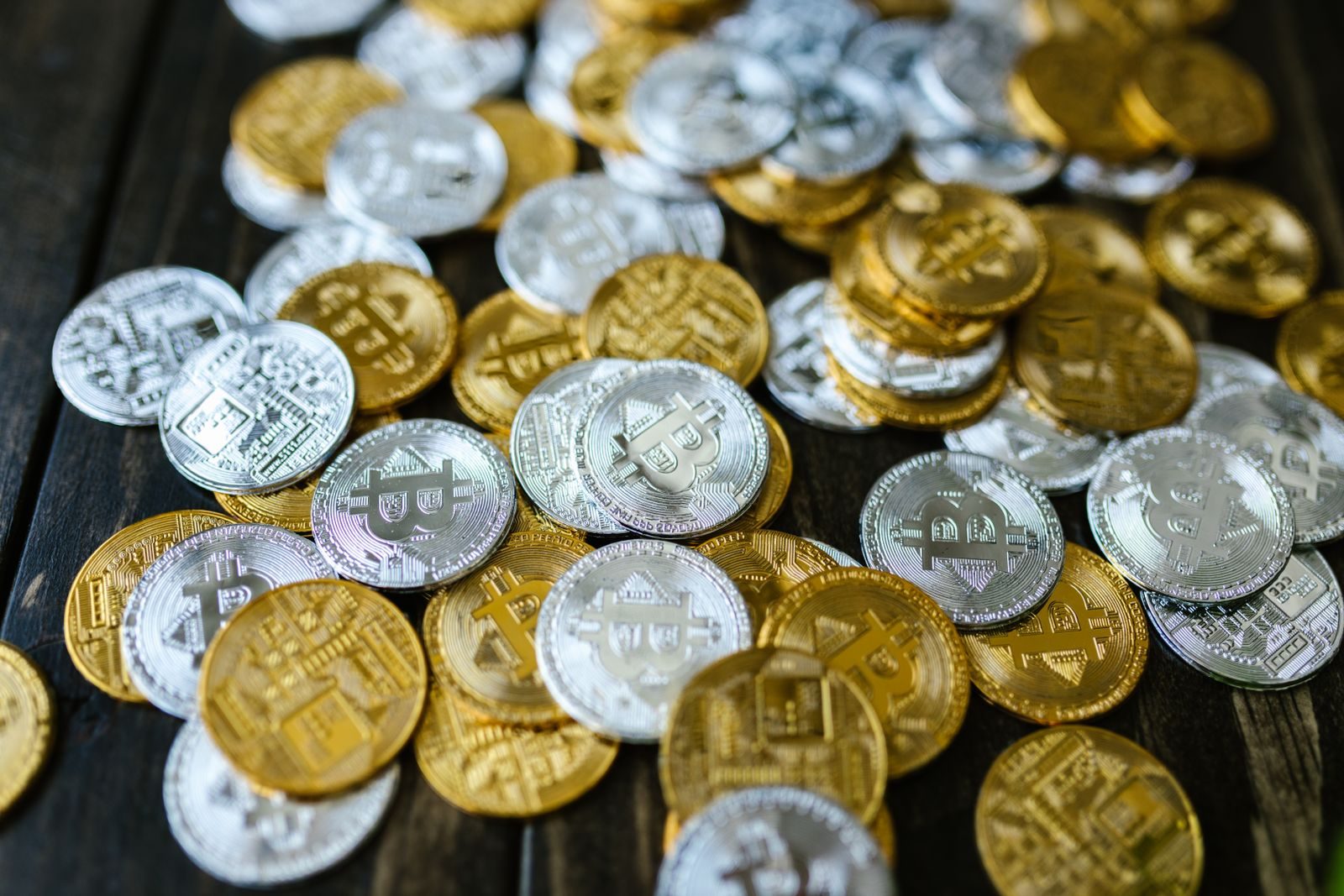
A gold coin can sit in your hand, while a stock usually exists as an entry on an account screen. That physical appeal can make investing in rare coins feel more personal than a conventional investment. Coins may interest you as art, history, or a way to address inflation concerns with alternative assets. Yet returns, ease of resale, and price stability are never guaranteed. A coin can be costly to buy and hard to sell at a favorable price.
This guide helps you assess value, costs, authenticity, and fit with your investment goals. You will also see why research and patience matter before money changes hands. Some coins attract buyers mainly for their precious metal. Others appeal for rarity, condition, or history. Knowing which kind you are considering is the first step toward judging its price.
How Do Bullion Coins Differ From Numismatic Coins?
A gold coin priced for its metal differs from a rare historical coin priced for condition and scarcity. The first is a bullion coin; the second is a numismatic coin, and each calls for a different kind of research.
Melt value is the value of a coin’s precious metal if the metal were melted down. Bullion coins draw most of their value from metal content and current metal prices, while numismatic coins draw more from collectible appeal.
Precious metal bullion includes gold, silver, platinum, or palladium. A bullion coin’s price can move as the market price of its metal changes. A coin may also carry a price above its melt value because buyers pay for its form, brand, or ease of trade.
Numismatic coins can sell for more than their melt value. Their price depends more on scarcity, quality, and historical significance than on metal alone. A rare silver coin, for example, may be worth much more to collectors than its silver content suggests.
The table shows the basic difference. A buyer should know whether the quoted price mainly reflects metal or collectible value.
| Attribute | Bullion coins | Numismatic coins |
|---|---|---|
| Main value basis | Precious metal content | Scarcity, quality, history |
| Relationship to melt value | Often close to metal value, plus a premium | May exceed melt value by a wide margin |
| Knowledge needed | Metal prices and coin terms | Coin type, condition, and collector market |
Neither type has a price that stays fixed. The metal market can shift, and collector interest can change. A coin’s quoted price may also differ from the amount a buyer will pay you. Once you know which kind of value you are assessing, you can examine the specific factors that move a coin’s price.
What Determines a Rare Coin’s Value?
An old coin that is common may sell for less than a scarcer coin in better condition. Age alone does not set a rare coin’s value.
Rarity, collector demand, and quality are principal value factors, but no single factor sets a universal price. A coin’s value depends on how those forces meet in a particular market.
Rarity often relates to how many examples survive, not just how many were made. Population reports can show how many coins a grading service has recorded at different grades. They do not always count every surviving coin, so treat them as useful clues, not a complete census.
Condition and quality also matter. A coin with clear detail and an appealing surface may attract more buyers than a damaged or worn example. Small differences can affect a collector’s choice, even among coins assigned the same grade.
Demand depends on the people seeking a coin at that time. A popular series can draw steady interest, while a historically important piece may have few active buyers. Historical significance alone does not guarantee demand.
Available supply also includes dealer inventories and coins offered through auctions. A dealer with many similar examples may price them differently from one with limited stock. Asking prices show what sellers hope to receive, not what buyers have paid.
Market timing can shape offers. Inflation, government policies, and the performance of other investments can affect coin markets. Interest can rise or fall in cycles, so a price seen during one period may not hold later.
The table gives practical questions to ask. Compare similar coins and recent completed sales rather than relying on one price quote.
| Value driver | How it can affect price | What to check |
|---|---|---|
| Rarity and population | Fewer available examples may draw more interest | Surviving examples and population records |
| Grade and quality | Better condition may attract stronger bids | Wear, marks, surfaces, and eye appeal |
| Collector demand | More interested buyers can support competition | Completed sales and current buyer interest |
| Dealer inventories | Large supplies may affect asking prices | Similar coins held by dealers |
| Cyclical or outside market conditions | Changing markets can shift buyer interest | Inflation, policy changes, and other assets |
A quoted price is only one piece of evidence. Compare the coin itself, the market around it, and the likely pool of buyers before judging an offer. Coins can offer reasons to collect beyond price movement, but those attractions do not remove uncertainty about future value.
What Are the Advantages of Investing in Rare Coins?
A collector may enjoy a coin’s history even if its resale value never rises. That interest can be a real benefit, separate from any possible financial return.
Coins offer physical ownership and a link to history, but neither feature promises a profit. A coin may show the art, leaders, and technology of the period when it was made.
Holding a piece of history can make collecting engaging. You might study a design, compare mint marks, or learn why a coin circulated in one period. The research can be rewarding even when the market price stays flat.
Some investors consider coins for portfolio diversification. An asset with a different market may behave differently from stocks or bonds at times. That possibility does not mean coins will offset losses elsewhere, and their prices can fall too.
Coins are also compact compared with many collectibles. A small coin can hold a large amount of historical interest without taking up much room. Its size does not remove the need for careful storage, records, and security.
Physical ownership may suit someone who values tangible assets. You can examine a coin directly and build a collection around a subject that matters to you. The experience differs from owning a fund or a share in a company.
These are potential benefits, not financial promises. A coin can remain meaningful to you while selling for less than you paid. The next question is how costs and uncertainty can weaken returns.
What Risks Can Reduce Your Returns?

A buyer who needs cash quickly may find a dealer’s offer far below the earlier asking price. That gap can turn an expected gain into a loss.
Coin investment risk includes changing prices, uncertain resale demand, and claims that may not hold up. Treat a future sale as uncertain, even when a seller sounds confident.
Market Swings and Uncertain Resale Prices
Coin markets can fluctuate, and there is no guaranteed return. A buyer may pay a high price during a period of strong interest, then face lower offers when demand cools.
Resale also depends on finding someone who wants that specific coin. A seller may need time to reach collectors, compare offers, or accept a lower price. A coin’s displayed price is not a promise of what a buyer will pay.
That uncertainty makes collectible coins a poor match for a short-term profit goal. If you need the money for rent, tuition, or another near-term bill, a coin may not turn into cash when you need it.
Fraud, Subjective Pricing, and Buyer Disputes
Buyers can disagree about appearance and appeal. A seller may value a coin’s color or surface more highly than another collector does. A claim about grade or current value may also lack sound support.
Some consumer risks involve misleading claims about a coin’s grade, its market price, or a promised buy-back plan. Get terms in writing, and be wary if the seller will not explain them clearly.
Watch for these warning signs before sending money or agreeing to a sale:
- Pressure to act quickly before you can research the coin
- Unsolicited offers by phone, email, or other channels
- Grading claims without clear support or documentation
- Promises of guaranteed resale or profit
Disputes can be hard to resolve if the seller’s terms are vague or records are missing. Keep written offers and receipts, and do not rely on a spoken promise alone.
Your risk tolerance and time horizon matter when deciding whether coins belong in a portfolio. A longer wait may help, but it cannot ensure a better sale.
Can Investing in Rare Coins Fit Your Goals?
A person saving for a near-term expense should think carefully before using that money to buy a collectible. Access to cash matters as much as interest in the coin.
Coins may fit a knowledgeable collector with a long time horizon, but not someone who needs quick access to the money. They may also be a poor fit if you cannot judge specialized collectibles or do not want to learn the market.
A collector who already knows a series may be better able to compare examples and notice when a price seems unusual. Experience does not remove risk, but it can help you ask sharper questions before buying.
The American Numismatic Association suggests holding a collection for at least 10 years before selling. That is a suggested time horizon, not a promise that a collection will gain value or sell easily.
Consider whether you can leave the money invested for years without depending on a sale. Avoid using emergency savings or funds set aside for bills, housing, education, or other planned costs.
Coins should not replace a diversified financial plan or professional advice. If you need help balancing investments, ask a qualified financial professional who understands your full situation.
Once you decide that coins may suit your goals, learn how experts describe and assess their condition.
How Do Grading Standards Affect a Coin’s Price?
Two coins that look alike at a glance can receive different grades because their wear and surfaces differ. Small details can affect both the grade and the price buyers will consider.
A grade gives buyers a common way to describe condition, but it does not set a universal selling price. The grade is one part of a coin’s appeal, not a promise about its value.
What the Sheldon Scale Measures
The Sheldon grading scale runs from 1 to 70. Higher numbers generally describe better condition, from a heavily worn coin to one with very few signs of handling.
Traditional grade terms include Good, Very Good, Fine, Very Fine, Extra Fine, and Fleur-De-Coin. These labels help describe condition in familiar language, though exact use can vary by coin and grading context.
Grading considers condition and quality. Wear, marks, surface changes, and the sharpness of design details can all affect how a coin is judged. A one-point difference may matter more for some coins than others.
What Certified Holders Can and Cannot Tell You
PCGS and NGC are grading services that assess coins. They may seal a graded coin in a tamper-resistant plastic package called a certified coin holder.
The holder can identify the coin and display its assigned grade. A sealed holder can also make it harder to alter or handle the coin after grading, but it does not guarantee future market value.
Buyers may still disagree about a coin’s look, including its color, marks, or overall appeal. A holder supports a shared description; it cannot ensure that another collector will pay a certain amount.
Use the grade as one clue when comparing coins. A grade helps describe condition, then leaves a separate question: is the coin authentic?
How Can You Check a Coin’s Authenticity?
A coin may look convincing in an online listing and still lack independently verifiable support. A clear photo cannot prove that a coin is genuine.
Check the coin, its documentation, and the seller, then seek an independent opinion when doubts remain. A certified coin holder can help with identification, but it should not replace careful research.
Examine the Coin and Its Documentation
Visual appearance alone may not reveal a counterfeit or a misleading description. Compare available records with the coin, and ask what paperwork supports the seller’s claims.
If authenticity remains uncertain, seek an independent opinion from a grading service. Do not rely only on a seller’s statement, especially when the coin is costly or unfamiliar to you.
Check the Seller and Seek an Independent Opinion
The Federal Trade Commission advises buyers to examine coins in person, research dealers, and get a second opinion. Use this checklist before you commit:
- Examine the coin in person when possible
- Research the dealer and the dealer’s business terms
- Obtain a second opinion from an independent expert
- Avoid unsolicited offers for coins or precious metals
- Consult established consumer or collector resources
The Commodity Futures Trading Commission cautions against buying coins or precious metals after unsolicited calls, emails, or other messages. The American Numismatic Association offers consumer-awareness resources.
The Numismatic Crime Information Center issues crime alerts and offers educational seminars. These groups can help you learn, but none can guarantee a safe transaction or a coin’s value.
Once you have checked both the coin and the seller, follow a disciplined purchase process before paying.
What Should You Do Before Buying a Coin?

A first-time buyer can narrow a broad interest to one denomination, period, or theme. A focused start makes it easier to learn what a fair comparison looks like.
Study one collecting area before spending heavily, and begin with a small purchase you understand. An unfamiliar, high-priced coin can make it hard to separate a fair offer from a costly lesson.
Choose a Focus and Learn the Market
A focus could be one denomination, a group of coins from a certain period, or a design theme. Study reliable references and completed sales before shopping. Learn the terms collectors use for the coins you want.
Start small enough that a mistake would not affect your basic finances. A low-cost example can help you practice comparing condition and paperwork before considering a more expensive coin.
Compare the Coin, Seller, and Paperwork
Use these steps to keep a purchase clear and well documented:
- Define the collecting focus you want to follow
- Research comparable examples and grades
- Inspect the coin and available documentation
- Check the dealer’s reputation and written terms
- Keep receipts and purchase records
Ask how the seller describes the coin and what happens if you return it. A written record of the coin’s description, price, and sale terms can help later if questions arise.
Local coin clubs and professional associations can help you meet knowledgeable collectors and dealers. Membership can offer useful contacts, but it does not guarantee a good transaction.
Before you buy, move beyond the sticker price and calculate the full cost of owning or selling the coin.
What Costs and Auction Fees Should You Compare?
A bidder may win at a stated price, then see extra charges on the bill. The hammer price is the auction price before buyer fees.
Compare the full amount due, not just the hammer price or dealer’s asking price. An auction premium may be added to the hammer price, while other costs can arise during ownership or resale.
A buyer’s premium is a fee an auction house may add to the winning bid. The total can also include shipping, insurance, storage, and applicable taxes. Seller commissions may reduce the money you receive later.
Dealer and auction terms vary. There are no single standard rates for premiums, seller commissions, minimum deposits, or account fees across all sellers. Check each dealer’s or auction house’s current written terms.
Use the table to identify charges to ask about before you bid or agree to buy.
| Cost item | When it may apply | What to verify |
|---|---|---|
| Purchase price | At a dealer or auction purchase | Final price and payment terms |
| Buyer’s premium | After an auction win | Current written rate and calculation |
| Seller commission | When you sell through an agent | Commission and other sale deductions |
| Shipping or insurance | For delivery or transit protection | Who pays and what the charge covers |
| Storage or applicable taxes | During ownership or at purchase | Current charges and relevant tax rules |
Do not assume that every seller includes the same services or fees. Ask for the total in writing, including any charges that apply if you cancel or return the coin.
Correctly calculating your purchase cost still does not guarantee a quick or favorable resale.
How Easy Is It to Sell Rare Coins?
An owner who needs cash quickly may hold a coin that appeals to only a narrow group of collectors. That limited audience can make selling take longer than expected.
Market liquidity describes how readily an asset can be sold for a reasonable price. A coin with few interested buyers may be less liquid than an investment that trades routinely.
Finding a collector who wants a specific coin can take time. You may need to contact dealers, auction houses, or collectors and compare their offers. Each buyer may judge the coin differently.
A more routinely traded investment may have a wider pool of buyers and a clearer way to trade. Rare coins do not have one universal resale market, and not every coin draws steady interest.
Keep realistic expectations about both buyer interest and offers. An asking price or past sale does not mean another buyer will pay the same amount today.
There is no universal resale timeline or guaranteed buy-back price for every coin. A sale may depend on the coin, the buyer, the sales channel, and current interest.
Plan for the possibility of waiting or accepting a lower offer. While a sale may take time, protecting the coin in your care remains important.
How Should You Store and Insure a Coin Collection?
A collector who stores coins near wool, felt, rubber, or paint risks exposing them to harmful materials. Storage conditions can affect a coin’s surface over time.
Protect coins from damaging materials and humidity, and keep them in a secure place. Good storage can lower preventable risks, though it cannot prevent every loss or change.
Protect Coins From Environmental Damage
Cigarette smoke, rubber, paint, and textiles such as wool and felt can harm coins. Excessive humidity can also contribute to deterioration.
Use suitable airtight plastic holders to help protect coins from exposure. Do not clean or alter a coin as part of routine storage, since changes to its surface can affect its appeal.
Secure the Collection and Review Insurance Terms
A secure location, such as a bank safe-deposit box, can help protect a collection from theft or damage at home. Insurance may cover loss, theft, or damage, but each policy sets its own terms.
Use this checklist to review your protection plan:
- Use protective holders suited to the coins
- Store coins in a secure location
- Keep purchase records and coin descriptions
- Check insurance limits, exclusions, deductibles, and coverage for new items
Coverage varies by policy and may depend on where the coins are stored. Read the terms for location limits and newly acquired items. This is not a recommendation for any particular insurer.
Once your collection has a safe place and clear records, a new investor can turn to a cautious first plan.
How Can a Beginner Start Investing in Coins?
A beginner can learn about a few coins already on hand before committing significant money. Learning first makes it easier to see whether the research and collecting itself feel worthwhile.
Choose one area, set a spending limit, and do not depend on quick resale. Ask knowledgeable collectors or reputable dealers questions as you learn.
Beginner coin investing may suit someone who enjoys study, accepts uncertain resale, and can leave the money invested. It may not suit someone seeking quick profits or unable to tolerate the chance of a slow sale.
Start with a narrow subject, such as one denomination or period. Learn how collectors describe examples and compare sales before you spend much. Avoid treating a seller’s confident pitch as a substitute for your own research.
Use this starter checklist to set a clear course:
- Choose a focus for your collection
- Study reliable references about that area
- Set a spending limit you can afford to keep invested
- Verify each purchase before paying
Keep the first purchase modest and within your limit. If you discover that pricing or condition is hard to judge, pause and seek another opinion instead of stretching your budget.
Collectible coins may suit patient learners who value the objects as well as possible returns. If you need fast gains, another approach may fit better. Research one narrowly defined coin category before you buy.
Our Conclusion
Rare coins can suit patient, informed collectors, but they are not a guaranteed route to profit. Uncertain resale should be part of your decision from the start. Coin ownership makes the most sense when you understand the category, accept that selling may take time, and value the collecting interest alongside possible financial returns.
Keep your choices within your risk tolerance and broader investment goals. Before spending, research one focused coin area and set a limit you can afford to leave invested. Compare specific examples in that category, then decide whether the coin still fits your plan.
Our FAQs
How much money should a beginner put into rare coins?
There is no universal minimum or recommended amount for a beginner. Set a limit that does not depend on quick resale, and start with a modest purchase you understand. Choose a coin you can research and compare with similar examples. Keep essential savings and money for near-term bills separate from collecting funds.
How do I check what a rare coin has actually sold for?
Compare completed sales for the same coin type, grade, and condition. Asking prices show what sellers hope to receive, not what a buyer has paid. Look at more than one completed sale when possible, since prices can differ by sales channel and timing. Make sure the example closely matches the coin you are considering.
Can cleaning a coin increase its value?
Do not assume cleaning will increase a coin’s value. Altering the surface can hurt its appeal, even if the coin looks brighter afterward. Avoid polishing, rubbing, or using household cleaners. If you think a coin needs attention, ask a qualified coin professional for guidance before trying to clean it yourself.
How often should I have my coin collection appraised?
There is no universal schedule for appraising a coin collection. Consider an updated valuation before a sale or an insurance review, especially if the collection has changed. An appraisal or estimate can help with planning, but it is not a guaranteed sale price. A buyer may offer a different amount.
Does a certified coin holder guarantee that a coin will be profitable?
No, a certified coin holder does not guarantee profit. It communicates information about the coin and its grade, but future demand and resale prices can change. Buyers may also judge a coin’s appearance differently. Treat the holder as useful information, not a promise that you can sell the coin at a gain.
Can I keep coins in a bank safe-deposit box and still insure them?
Possibly, but coverage depends on the insurance policy. Check whether the policy covers coins in a bank safe-deposit box, along with location limits, exclusions, and deductibles. Ask whether newly acquired coins receive coverage and whether protection changes when you move them. Do not assume a policy covers every place or type of loss.
Explore Our Exciting Related Products and Services