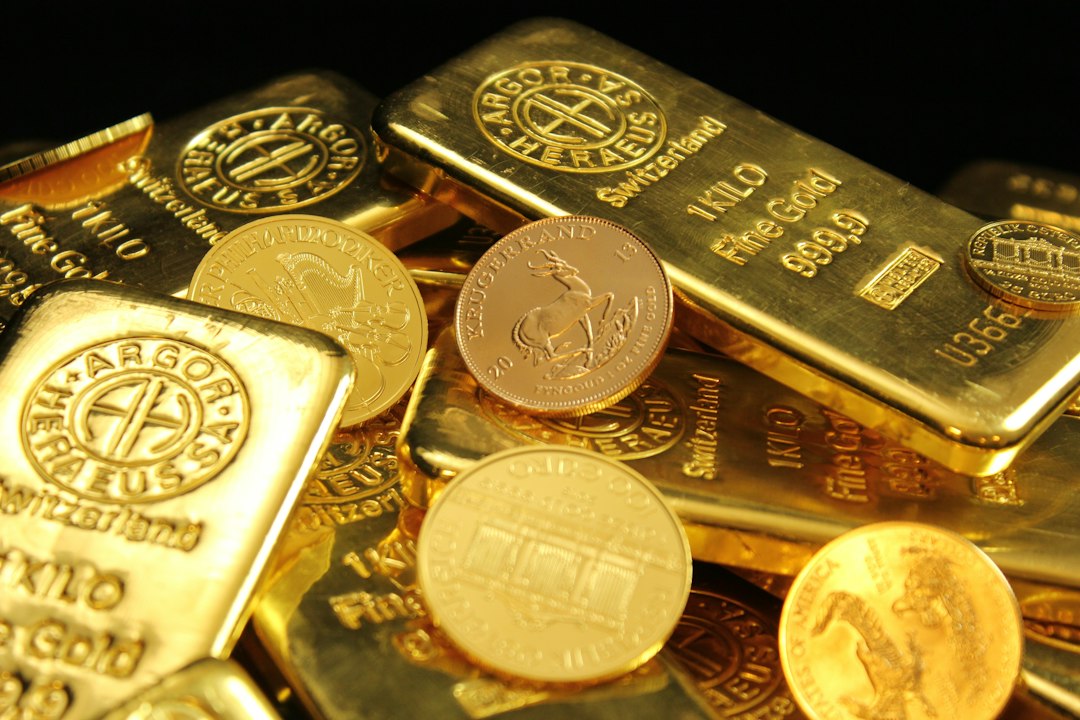
Gold briefly topped $4,300 per ounce in October 2025, yet a sudden shock still leaves you with a measured decision. Precious Metals Investing draws attention during global uncertainty because investors may seek a safe haven when other assets feel less secure. A price spike is a market response, not a promise of further gains.
Before making investment decisions, you need to know what can move gold, what can interrupt a rally, and how ownership choices affect risk. This guide links uncertainty to gold-price movements and separates short-lived reactions from longer-term drivers. It also offers a practical way to weigh investment options, costs, and risks. You will get a clear explanation of market drivers, followed by practical choices and checks.
What Makes Gold Prices Jump During a Crisis?
A sudden geopolitical headline can push investors to reassess risk within minutes. If they seek gold at the same time, safe-haven demand can lift its price.
More buying can raise gold prices, but a crisis reaction does not guarantee a lasting trend. The path often begins with an alarming event or policy shock, then moves through investor choices.
Investors may sell assets they see as vulnerable and shift money toward assets they view as more resilient. That shift can affect gold demand and price, especially when many buyers react together.
Common triggers include:
- Geopolitical conflict that raises fears of wider disruption.
- Financial-market stress that unsettles stocks, bonds, or credit markets.
- Economic-policy uncertainty that makes future rules or spending harder to judge.
- Concern that currency purchasing power may weaken.
Gold price volatility can also rise in both directions. Some investors sell gold during a crisis to raise cash, meet losses elsewhere, or cover urgent needs.
That selling can offset new demand, even when headlines remain alarming. The mix of buyers and sellers helps explain why geopolitical risk does not produce the same price move every time.
The general price mechanism is only a first step. The next question is whether gold reliably behaves as a safe haven.
Is Gold Really a Safe Haven?
If your stocks fall during a crisis, must gold rise at the same time? No rule requires that result, even when investors hope gold will offer resilience.
A safe haven is an asset hoped to retain value or diversify during market stress, not a guaranteed shield. A hedge is different: it may offset a specific risk over time.
Safe-haven behavior asks how an asset performs during a period of stress. A hedge can work across a longer span, even if it does not rise during every crisis day.
What Uncertainty Research Measures
One study used monthly observations from January 1998 through August 2020. It tested gold returns against economic-policy uncertainty, geopolitical risk, interest-rate-related volatility, and pandemic-related equity-market volatility.
Gold returns generally responded positively to uncertainty measures in the United States, United Kingdom, European Union, and China. Results differed for India, showing why cross-country evidence does not support one fixed rule.
The study also found gold-stock return correlations negatively related to higher geopolitical risk across the markets it examined. Its measured responses were mainly contemporaneous, with limited evidence of a general lagged effect.
Why Results Differ Across Markets
Local currencies, investor habits, market structure, and the kind of stress can all affect the result. The same uncertainty measure may not capture the pressures facing every country or investor.
Data ending in August 2020 cannot prove how gold will act in a later crisis. The period also cannot cover every future shock, policy change, or shift in market behavior.
Gold may offer diversification in some conditions, but it can still fall when you need protection. Its relationship with other assets can change with financial conditions, including rates, currency moves, and inflation.
How Do Interest Rates, the Dollar, and Inflation Affect Gold?
When real rates rise, an interest-bearing asset may look more attractive than gold. Gold pays no coupon, so the trade-off can matter to buyers.
The real interest rate is the nominal interest rate after accounting for expected inflation. Short-term gold trading can remain sensitive to real rates, though rates do not explain every price move.
Why Real Rates Matter
A bond or savings product may pay interest, while gold bullion does not. When the return from interest-bearing alternatives looks stronger, holding gold has a higher opportunity cost.
That comparison can shift as expected inflation and nominal rates change. It is one reason gold may respond to rate news before the effect appears in everyday prices.
How Currency and Inflation Concerns Complicate the Picture
Gold is commonly priced in U.S. dollars. A weaker dollar can make dollar-denominated gold less costly for buyers using other currencies, which may support demand.
Inflation concerns can also lead some investors to seek stores of value. Yet inflation hedging does not mean gold tracks inflation reliably over every short period.
Gold prices can move for reasons beyond current inflation, including rates, currency changes, and investor demand. Longer-term worries about fiscal sustainability can also complicate the usual relationship between yields and gold.
Rates are only part of the demand picture. Official gold buying can add another force to the market.
Why Do Central Banks Move the Gold Market?

Global mine production is about 3,500 metric tons of gold a year, while central-bank buying has recently reached about 1,000-1,100 metric tons annually. That scale helps explain why official demand matters.
Central banks have bought more than twice their 2015-19 average since 2022. Their reserve choices can affect how much newly mined and existing gold remains available to other buyers.
Mine output usually changes slowly because new projects take time to develop. Central banks can still shift demand by changing how they diversify official reserves.
Before the Russia-Ukraine conflict, central-bank purchases were around 400-500 metric tons a year. Later, they rose to around 1,000-1,100 metric tons a year.
In 2024, central banks accounted for nearly 25% of total gold demand. Their share averaged 12% in 2015-19.
Reserve diversification can shape market sentiment as well as demand. Strong official buying may support prices, but it does not remove volatility or guarantee that purchases will continue.
Official demand is one driver among several. A dated snapshot of recent market movements shows how investment flows can also matter.
What Do Recent Gold-Price Records Tell Investors?
Gold briefly topped $4,300 per ounce in October 2025 as demand rose 10% year over year during the first three quarters of 2025. Investment inflows, including gold-backed ETFs, led that demand increase.
The October 2025 figures are a dated snapshot, not a live quote or current forecast. Estimates made at the time put gold’s 2025 gain near 42%, its strongest annual rise since the late 1970s.
That snapshot also recorded silver near $54 per ounce. Precious-metal prices overall were estimated to rise 41% in 2025.
| Market measure | Figure | Period |
|---|---|---|
| Broad precious-metal price increase | 41% | Estimated 2025 |
| Gold price increase | About 42% | Estimated 2025 |
| Silver price increase | About 34% | Projected 2025 |
| Platinum price increase | About 29% | Projected 2025 |
These estimates and projections were made at the time, not confirmed final results or current prices. The figures can help show the scale of the period, but they cannot tell you what a metal costs today.
Recent gold-price records do not promise another sharp rise. Different metals have different demand drivers, which helps explain why their prices can diverge.
Why Do Silver, Platinum, and Palladium Respond Differently?
A gold safe-haven trade reflects investment demand, while a manufacturer may need metal for a specific product. That split helps silver, platinum, and palladium react differently.
Industrial uses account for more than half of silver demand. Silver coins can attract investors, yet industrial needs also shape the metal’s market.
Forecasts published in 2025 projected silver prices to rise about 8% in 2026, after an estimated 34% increase in 2025. Those figures were forecasts, not current projections or final results.
Platinum faces a different mix of automotive, industrial, and jewelry demand. Automotive catalytic converters account for about 40% of platinum demand, and South Africa is the world’s largest platinum producer.
Projections for 2025-26 anticipated only gradual growth in silver supply and a modest recovery in platinum supply. Platinum supply was still expected to fall short of demand.
Those 2025 forecasts projected platinum prices to rise about 4% in 2026, after an estimated 29% increase in 2025. Softer industrial activity can affect its outlook alongside supply limits.
Palladium also has industrial and automotive exposure, so its price drivers can differ from gold’s. No price or forecast is needed to see why a metal’s use matters.
Different market drivers make the investment vehicle just as important as the metal. Your choice may involve physical ownership or a market-traded product.
Which Ways Can You Invest in Precious Metals?
You can take delivery of a metal or buy a product that tracks or relates to its market. The main difference is what you own and what risks come with it.
Physical metal means direct ownership, while market-traded products provide exposure through financial markets. Each route has different account, delivery, and custody needs.
Owning Physical Metal
Gold bullion bars and coins are valued mainly for their metal content and weight. Collectible products may also reflect rarity, design, or collector demand.
Physical ownership involves delivery, authenticity, and storage. You need to consider how the item reaches you and how you will keep its records.
Using Market-Traded Products
Exchange-traded funds offer shares that trade on a market. A fund may hold metal or use another structure, so its governing documents explain what backs each share.
Mining-company shares represent a stake in a business, not direct ownership of metal. Company operations, costs, and management can affect those shares apart from metal prices.
Futures contracts create exposure to a set amount of metal at a future date. Their contract terms and use of leverage can make them more complex and risky.
A cash brokerage account or retirement account may offer some products. Availability depends on the provider, product eligibility, and account rules; not every product qualifies for every account.
No specific platform, fee schedule, free trial, minimum deposit, app, or account requirement is provided here. Those details vary by provider and product.
Choosing a form of exposure is only the start. Ownership structure changes your responsibilities and the risks you take.
How Do Physical Metals Compare With Funds and Other Products?
One investor seeking gold exposure might own bullion, while another might buy a fund share. They do not own the same thing, even if both follow gold prices.
The product form decides whether you hold metal, a security, or a contract. It also affects who handles the metal and which risks you face.
| Investment form | What you own | Who handles the metal | Main exposure or responsibility |
|---|---|---|---|
| Physical bullion | Bars or coins | You or a custodian | Price, authenticity, storage |
| Exchange-traded fund | Fund shares | Depends on fund structure | Fund terms and custody |
| Mining-company shares | Company stock | The mining company | Metal prices and company risk |
| Futures | A metal contract | Contract-market system | Contract and leverage risk |
A fund’s structure and custody arrangements depend on its governing documents. Read them to understand what the fund holds and how it handles assets.
Mining shares add company risk, since a mine can face problems that differ from metal-price changes. Futures add contract and leverage risk, which can magnify gains and losses.
These ownership differences lead directly to the costs that can shape your final return.
What Costs and Taxes Change Your Return?

A dealer may sell a coin for more than the quoted spot price of its metal. That extra amount is the dealer premium, and it affects your starting cost.
Your final return depends on more than the metal’s price change. Purchase, holding, sale, and tax costs can reduce what you keep.
Costs Before and After a Purchase
Physical metal can involve dealer premiums, shipping, insurance, and storage or custody charges. A buy-sell spread also matters: you may pay more to buy than a dealer offers when you sell.
Funds may charge expense ratios, while market trades can include transaction costs. Check each cost for the exact product and account rather than assuming one standard fee.
Before committing, check:
- Purchase price compared with the current spot quote.
- Delivery or transaction charges.
- Ongoing custody charges or fund fees.
- The quoted buyback price for the product.
U.S. Tax Considerations
U.S. tax treatment can vary by asset type, account, holding period, and individual circumstances. Capital gains taxes may apply, but the rules are not the same for every investment form.
Use current IRS guidance or ask a qualified tax professional about your situation. No current premium, fee, tax-rate figure, or individual estimate applies to every reader.
Physical ownership adds another question: where and how will you hold the metal?
Where Should You Store Physical Metal?
Keeping metal at home gives you direct access, while a professional custodian handles storage for you. Neither choice removes the need to check security, records, and cost.
A secure location does not prove that your investment is insured. Check what a policy covers and who holds responsibility for the metal.
A home safe may offer convenience, but theft, fire, or damage remain concerns. You may also need to think about privacy and keep clear ownership records.
Insurance terms matter, since a household policy may not cover every item or loss. Do not assume a safe location means the metal has full insurance protection.
A third-party custodian can offer controlled access and formal records. Review the ownership records, access terms, fees, and insurance limits before relying on the arrangement.
Ask what happens if you need the metal quickly and how you prove ownership. Clear records can help you track what you own and who can access it.
Custody choices affect how the investment fits your wider finances. That role matters as much as where the metal sits.
How Precious Metals Investing Can Fit a Diversified Portfolio
Start by asking what portfolio problem you expect a metal holding to address. A clear purpose can help you judge its role beside other assets.
No single allocation percentage suits every investor. Goals, time horizon, existing holdings, and ability to tolerate loss all affect suitability.
Set a Purpose Before Choosing an Allocation
Portfolio diversification may be one reason to consider metals. They can respond to a different set of market drivers than stocks or bonds.
Some investors also consider metals because of inflation concerns. Yet correlations can change, so metals may not offset losses in other assets when you want them to.
A defined purpose helps you assess whether the risks serve a real need. Without one, a dramatic price move can tempt you into a holding that does not fit.
Keep Concentration and Liquidity in View
Physical gold pays no yield, and metal prices can be volatile. A large holding can also create concentration risk if it dominates your other investments.
Liquidity matters if you may need cash soon. Selling physical metal can take time and may involve a spread between the price you paid and the amount offered.
Suitability depends on your goals, investment horizon, existing holdings, and ability to accept losses. Precious Metals Investing is not a substitute for emergency savings or a complete portfolio.
Once you know the investment’s purpose, you can evaluate a seller or execution route.
How Can You Buy Metals Without Avoidable Mistakes?
Two offers may describe what appears to be the same coin or bar, yet differ in quality or terms. Check the details before treating either offer as a good deal.
A brand name or low price alone does not prove authenticity or suitability. A precious metals dealer should be judged by clear product details and terms.
Use these five checks:
- Confirm the metal type and stated purity.
- Check the item’s weight and product documentation.
- Compare the full price with a current spot quote.
- Read the return and buyback terms.
- Independently verify the seller’s identity, policies, and any claimed regulatory status.
Product authenticity matters because a listing or label is not proof by itself. Compare the product’s stated details with the records and terms you receive.
No company or platform, official website, prices, contact details, customer-service hours, business location, or service terms are provided here. This is not a review of a specific provider.
Even a carefully checked purchase can lose value. That risk makes entry plans and downside controls worth considering.
What Can Reverse a Gold Rally?
Renewed geopolitical tensions can raise demand for protection, while easing tensions can reduce it. The direction can change when the reason for buying fades.
No single event guarantees a price direction. A 2025-26 outlook identified forces that could support or weaken precious metals through different channels.
| Scenario | Likely demand or supply channel | Metals most directly exposed | Possible price pressure |
|---|---|---|---|
| Renewed geopolitical tension | More demand for protection | Gold and silver | Upward |
| Reduced tension | Less investment demand | Gold and silver | Downward |
| Hawkish U.S. monetary policy | Less investment demand | Gold | Downward |
| Weaker renewable-energy or electronics activity | Less industrial demand | Silver and platinum | Downward |
Trade frictions or financial-market volatility could also support gold and silver by raising demand for protection. A more hawkish U.S. monetary stance could reduce investment demand for gold.
Softer industrial activity, including in renewable energy and electronics, could weigh on silver and platinum. Their industrial exposure differs from gold’s investment channel.
These are possible channels, not certain outcomes. No one event guarantees a direction, so it helps to plan practical risk controls.
How Can You Manage Timing and Downside Risk?
Buying right after one dramatic headline may leave you exposed to a quick reversal. A pre-set plan can keep a single news event from driving every choice.
Staged purchases or dollar-cost averaging can reduce reliance on one entry point, but cannot prevent losses. The market can fall after any purchase.
Plan an Entry Without Chasing a Spike
With staged purchases, you divide an intended purchase across more than one date. Dollar-cost averaging uses set amounts at regular intervals, rather than trying to call a market peak or floor.
These methods can spread your entry prices across time. They do not ensure a profit, and they may not suit every product or time horizon.
Decide in Advance What Would Change Your View
Choose a maximum position size before buying, based on your ability to accept a loss. Keep liquidity needs in view, especially if you may need cash soon.
Write down why you are considering the investment and what would change that view. A written reason can help you review the decision without reacting to every price move.
Practical steps include:
- Define the investment’s purpose.
- Set an affordable loss limit.
- Choose an entry method.
- Schedule a review of your original reasons.
A disciplined process cannot make every investment suitable. You may still decide that buying gold does not fit your needs.
When Might Gold Be the Wrong Choice?
If you need invested cash for a near-term expense, gold may be a poor fit. Market prices fluctuate, so the amount you can recover may be lower when you need to sell.
A short-term need or a wish for guaranteed returns conflicts with an asset whose price can change. Gold pays no coupon, and selling physical metal may involve a spread or delay.
Reconsider before buying if:
- You need the money soon.
- Your emergency savings are inadequate.
- You cannot tolerate price swings or a loss.
- The holding would make your portfolio too concentrated.
A buyer who cannot wait through a price decline may have little room to manage risk. A sale can also bring in less than the spot price because of the dealer’s offer and other costs.
Compare the investment with your actual needs before acting. The final decision should fit the time you have and the loss you can bear.
Our Conclusion
A crisis-driven gold spike is a market response, not a promise of further gains. Uncertainty can increase demand, but prices can still fall or move sideways.
Your investment form, costs, and time horizon all change the risk. Before committing, write down the purpose of the holding and compare the full cost and exit terms of the product you are considering.
That simple check can help you see whether the investment fits your needs. Verify the product terms and current tax guidance before making a decision.
Our FAQs
Does gold always rise when the stock market falls?
No, gold does not always rise when stocks fall. The relationship varies by market and period, and investors may sell gold to raise cash during a crisis. Research found different results for India than for the United States, United Kingdom, European Union, and China. Gold can offer diversification, but it is not a guaranteed shield against stock losses.
Can gold protect me from inflation over the short term?
Gold may be considered an inflation hedge, but it does not reliably track inflation over every short period. Real interest rates, currency movements, and investor demand can also move its price. A rise in consumer prices does not mean gold must rise at the same time. Consider the role and risks of the holding rather than relying on it to match inflation month by month.
What is the difference between owning gold bullion and a gold ETF?
Gold bullion is physical metal that you hold directly or place with a custodian. A gold ETF share is a market-traded interest, not a bar or coin in your possession. The fund’s structure and custody depend on its governing documents. Those terms explain what the fund owns, how it holds assets, and what rights come with its shares.
Are gold and silver coins always cheaper than bars?
No, there is no universal price rule that makes coins cheaper than bars. The full dealer premium can vary by product, and the buyback quote can change what you recover at sale. Compare the exact items by metal content, stated purity, total price, and selling terms. A lower sticker price alone does not show which option costs less overall.
How much of my portfolio should be in precious metals?
There is no universal allocation percentage for precious metals. The amount, if any, depends on your goals, existing holdings, liquidity needs, and ability to tolerate loss. Consider whether the holding serves a clear purpose without crowding out other needs. Precious metals do not replace emergency savings or a complete portfolio, and their prices can fall.
How are precious metals taxed in the United States?
Tax treatment can differ by product, account, holding period, and your circumstances. Selling at a gain may raise capital gains tax questions, but the rules do not apply identically to every form of ownership. Check current IRS guidance or speak with a qualified tax professional about your situation. Do not assume that a rule for one product also applies to another.
Can I lose money even if I hold physical gold?
Yes, you can lose money while holding physical gold because its market price can fall. A dealer premium, selling spread, storage cost, or insurance charge can also reduce the amount you recover. Physical ownership does not guarantee that a future sale will cover your original cost. Consider both the metal’s price risk and the costs of holding and selling it.
Explore Our Exciting Related Products and Services